
Article Operations 2 min read
Could the U.S. Postal Service Privatize Further?
A new report by the National Academy of Public Administration suggests that the service should outsource most of its services outside of door-to-door delivery. But some associations and unions question whether that’s the best approach.
Heads up: this content is over 5 years old, so some information may be out of date.
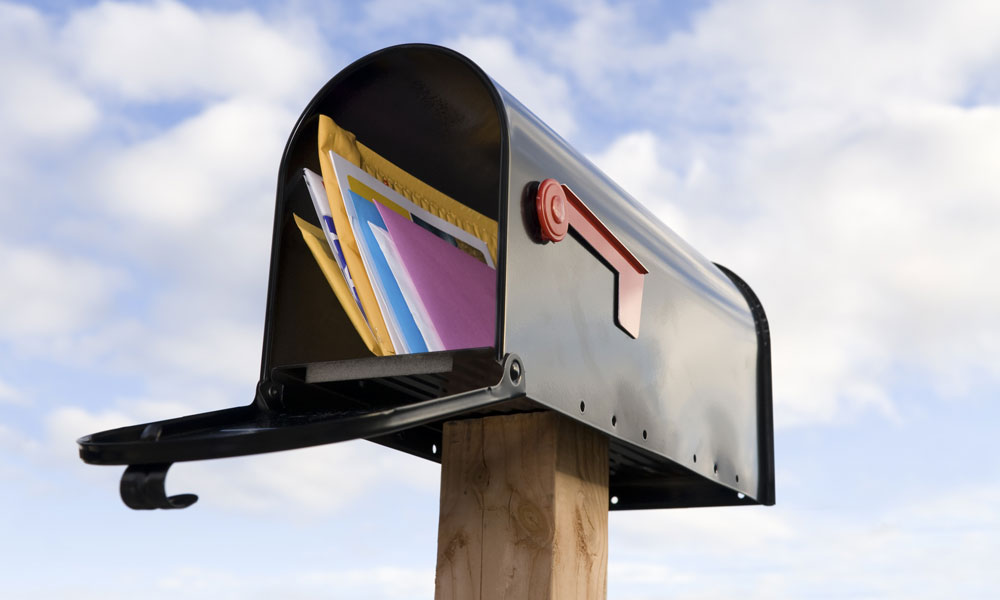
Is the solution to the U.S. Postal Service’s (USPS) solvency problems hiding in the private sector?
According to a new report by the National Academy of Public Administration (NAPA), a congressional-chartered nonprofit group that analyzes emerging public administration trends, it might be an option worth looking into. Despite the report suggesting that the USPS could cut its costs in half by outsourcing many of its services, some associations have questioned the proposal. More details below:
Private sector companies can fulfill virtually every other task in the postal network and do so at a lower cost and with greater efficiency and innovation.
The background: In recent years, the USPS has struggled to rein in its costs, partly due to a requirement (opens in a new tab) to prepay retiree health benefits. In February, the USPS took a somewhat drastic but long-rumored step, announcing that it would drop Saturday mail delivery (opens in a new tab) starting August 1, a move that would save the service as much as $2 billion per year.
The suggestions: In its proposal (opens in a new tab) [PDF], based on written comments from 90 industry stakeholders and funded partly by package-servicing company Pitney Bowes, NAPA has suggested that the USPS could save billions by “building a new public-private hybrid postal model.” It would utilize the postal service for door-to-door delivery of packages but would rely on logistical strength of the private sector for most other tasks—something that could save money and increase efficiency. “Private sector companies can fulfill virtually every other task in the postal network and do so at a lower cost and with greater efficiency and innovation,” the report states. Currently, the USPS outsources long-distance transit and some processing. Despite this, NAPA says (opens in a new tab) further study will be needed to figure out the feasibility of the plan going forward.
Association reaction: While many organizations suggested that cost-cutting is necessary, some said the depth of NAPA’s plan was unlikely to pass congressional scrutiny. “There’s no way … that Congress would allow this to happen,” said Gene Del Polito, the Association for Postal Commerce’s president, in an interview with Bloomberg (opens in a new tab). “And there’s no one in the Postal Service that’s going to make it happen.” The Parcel Shippers Association, meanwhile, suggested in submitted comments that such privatization could be beneficial.
A key union, the American Postal Workers Union, also opposes privatization, instead suggesting that easing the retiree health benefit would be a better option.
(Hemera/Thinkstock)

Comments
Comments are for ASAE members. Learn more about comments on this site.
Log in to your member account or join ASAE!