
Noreena Hertz: Are Experts Really Experts?
Author Noreena Hertz uncovers the surprising truth about experts.
Heads up: this content is over 5 years old, so some information may be out of date.
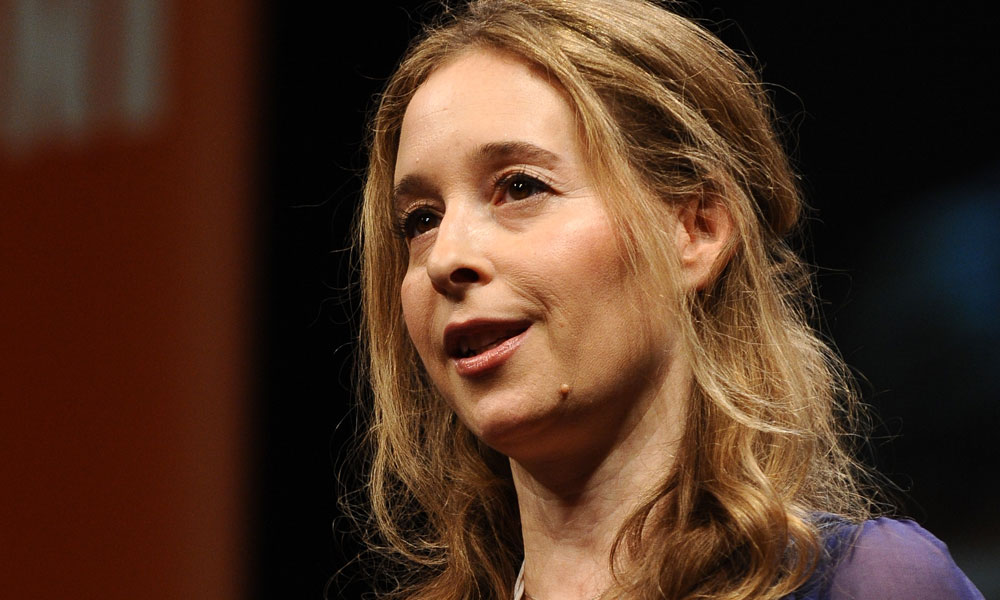
Author Noreena Hertz uncovers the surprising truth about experts.
Editor’s Note: This story has been updated to reflect Hertz’s move to University College London.
Noreena Hertz, professor at the Centre for the Study of Decision-Making, University College London (until recently associate director of the Centre for International Business at the University of Cambridge), has a warning for associations: “Organizations have become far too accepting of what ‘experts’ say, far too willing not to challenge their premises and ideas, and that isn’t good, especially for society at large.”
In her new book, Eyes Wide Open: How to Make Smart Decisions in a Confusing World, Hertz cites a hefty assortment of research showing just how frequently “experts” ranging from doctors to economic gurus are incorrect, often wildly so.
“One study of 80,000 forecasts done over a 30-year period by 250 political scientists, economists, historians, and others found these ‘experts’ didn’t know what would happen any better than a monkey randomly throwing a dart on the board,” says Hertz.
Yet “expert advice,” usually from outsiders, continues to ground many organizations’ actions and assumptions. Indeed, Hertz cites an Emory University experiment in which people had their brains scanned as they heard what they were told was “expert advice.”
“It was remarkable that what you saw was the independent-thinking part of people’s brains switch off,” she says. “They trusted what the expert said, whether it was right or wrong. … I’m not saying traditional experts don’t bring a whole host of things to the party—they do, and the best ones have great insights that are helpful—but we shouldn’t seek their advice at the expense of valuable information and wisdom that either is inside an organization or more generally from people with experience.”
(Niccolò Caranti/Wikimedia Commons)
Comments
Comments are for ASAE members. Learn more about comments on this site.
Log in to your member account or join ASAE!