
An Olive Oil Group’s Battle Against False Advertising
An olive oil group files a lawsuit against gourmet food company for misleading consumers about the ingredients used to produce the cooking ingredient.
Heads up: this content is over 5 years old, so some information may be out of date.
This association story is for the foodies—especially the ones particular about their EVOO.
The olive oil industry must abide by strict labeling standards, and one trade group, the North American Olive Oil Association (NAOOA), works hard to make sure those standards are upheld. When NAOOA found that an olive oil manufacturing company appeared to be using subpar ingredients, it sued in an effort to protect the reputations of its member companies. More details:
Olive pomace oil is not allowed in any grade of olive oil under any standard anywhere in the world. The cost of producing oil that way is a fraction of what it costs to produce authentic olive oil.
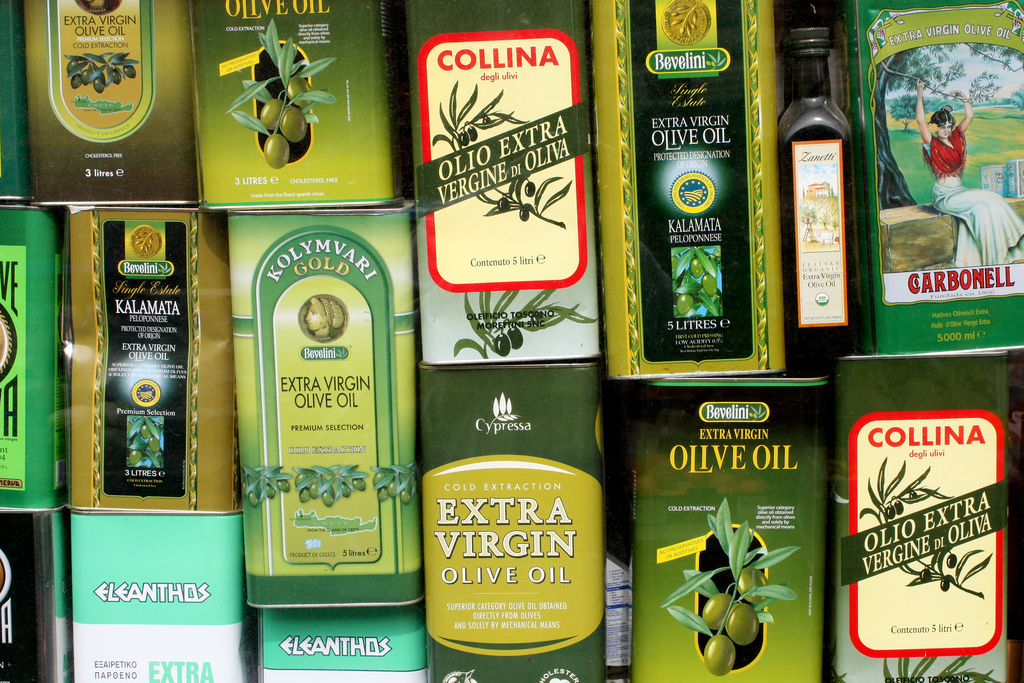
The problem: The Gourmet Factory, the company that produces and sells the Capatriti brand, labels its bottles and tins as “extra virgin olive oil” and “100% pure olive oil.” According to NAOOA, Capatriti products were being sold at one-third to half of the price of other brands, and the price discrepancy triggered an investigation. When NAOOA sent samples of the oil to the International Olive Council in Spain, its suspicions were confirmed: Results of lab tests showed that the samples were not olive oil, according to the lawsuit.
The product: The lawsuit claims that the Capatriti brand of oil is composed of olive pomace oil, or a fat from leftover olives—and that’s a no-no, says NAOOA executive vice president Eryn Balch. “Olive pomace oil is not allowed in any grade of olive oil under any standard anywhere in the world,” Balch told The New York Times (opens in a new tab). “The cost of producing oil that way is a fraction of what it costs to produce authentic olive oil.”
The Food and Drug Administration defined “virgin olive oil” in 1982, the Times reported. The agency’s regulations read: “Oil extracted from olive pomace and pits by chemical means and refined to make it edible must be labeled either ‘refined olive residue oil’ or ‘refined extracted olive residue oil.’ “
The legal claim: NAOOA claims that the Gourmet Factory engaged in “unlawful, misleading, and deceptive misbranding” and that it “intends to deceive consumers into purchasing its adulterated edible oil products.” It seeks damages on behalf of members and asks that the company be prohibited from continuing to mislabel its product, the Olive Oil Times reported (opens in a new tab).
An executive with Kangadis Food, Inc., which owns the Gourmet Factory, told the New York Times that he was unaware of the lawsuit and would have the company’s attorneys look into it.
(Flickr/joncockley)

Comments
Comments are for ASAE members. Learn more about comments on this site.
Log in to your member account or join ASAE!