
Article Meetings / Events 2 min read
What American Airlines’ Merger With US Airways Means For You
While the deal is backed by airline-related unions and associations, the deal may hit frequent flyers hard—by leading to price increases.
Heads up: this content is over 5 years old, so some information may be out of date.
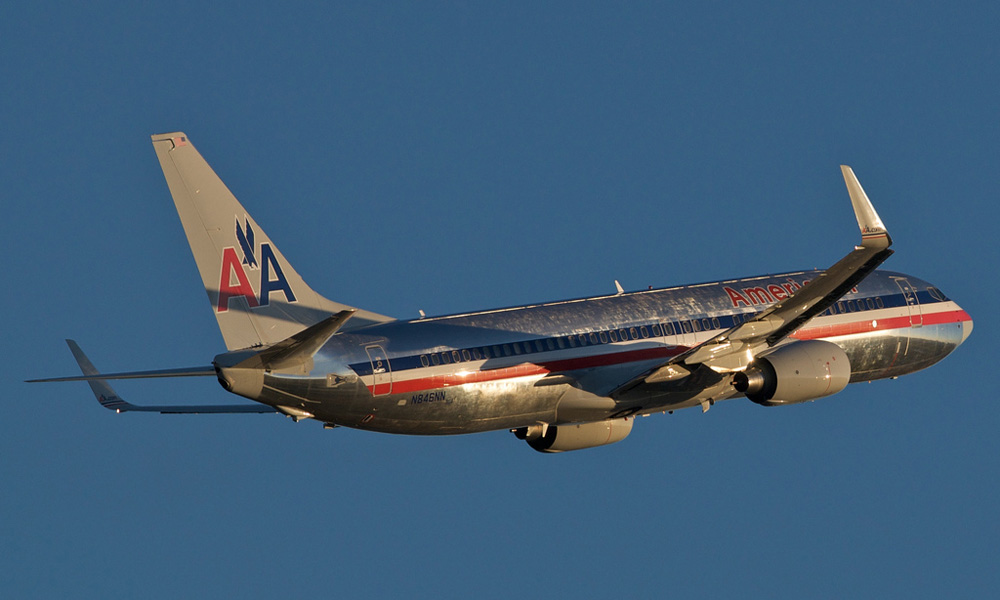
Over the past decade, we’ve seen a number of airlines consolidate, but the latest is the biggest merger of all.
With American Airlines attempting to shake off the shackles of bankruptcy, the company will merge with US Airways—a move that could recalibrate the airline industry. More info:
The deal: After months of talks, American Airlines—a large airline that has faced bankruptcy, PR troubles, and union issues (opens in a new tab) in recent months—and the much-smaller US Airways will merge. The $11 billion deal creates the world’s largest airline and will likely lead to the retirement of the US Airways brand. (American Airlines, as it turns out, just announced a rebranding (opens in a new tab).)
I’m not prepared to see egregious gouging by the airline industry just because of this merger.
Among the effects: The deal may lead to some rerouting of certain airline spaces, which may draw regulatory scrutiny—it could create a monopoly situation at some airports, including one in Washington, DC. “American and US Airways control the lion’s share of slots at [Reagan National Airport],” William S. Swelbar of the MIT International Center for Air Transportation told The Washington Post (opens in a new tab). “I expect that the regulators will force a combined American-US Airways to divest themselves of some of the slots, and competitors would be free to compete for those available slots.”
Industry groups respond: Unions, associations, and other groups responded positively to the deal (opens in a new tab). “With a strong, proven leadership team focused on partnering with frontline employees, improving reliability and customer service, and expanding our network, the new American Airlines will return to a position of industry preeminence,” said Dennis Tajer of the Allied Pilots Association. The Association of Professional Flight Attendants also praised the move, saying it “will provide job security and fair compensation for all employees and another great option for the flying public.”
The potential for price increases: According to Bloomberg Businessweek (opens in a new tab), the deal could hit you—and your attendees—in the pocketbook. While prices have risen by 33 percent from 2000 to 2012, prices haven’t kept up with the rate of inflation, according to the Bureau of Transportation Statistics (opens in a new tab). So a plane ticket is actually 18 percent cheaper than it was in 2000. With the latest set of mergers, it becomes easier to keep prices high, as there’s less competition. And with low-cost airlines falling out of view or getting acquired over the past few years, the trend is in favor of higher prices. MIT’s Swelbar, however, suggests the effect may not be that dramatic: “I’m not prepared to see egregious gouging by the airline industry just because of this merger,” he told The Post.
Do you think this deal could affect attendees trying to travel to your conferences? Tell us your thoughts in the comments.
(BriYYZ/Flickr)

Comments
Comments are for ASAE members. Learn more about comments on this site.
Log in to your member account or join ASAE!