
“Anti-Bloomberg” Law Brings Food Regulation Debate Full Circle
A new Mississippi law prevents cities and counties from limiting portion sizes, requiring calorie counts on menus, or implementing other food and drink regulations. In the wake of New York’s Big Gulp battle, associations had a full menu of reactions.
Heads up: this content is over 5 years old, so some information may be out of date.
When Governor Phil Bryant (R-MS) signed Senate Bill 2687 last week (opens in a new tab), the measure known as “the anti-Bloomberg bill” became law. Associations inside and outside Mississippi—the state with the highest rate of obesity in the nation (opens in a new tab)—are split in their view of the measure.
What it does do is prevent them from creating policy mandates for the sake of consistency and uniformity.
“It is simply not the role of government to micro-regulate citizens’ dietary decisions,” Bryant wrote in a statement accompanying the bill signing. “The responsibility for one’s personal health depends on individual choices about a proper diet and appropriate exercise.”
In a joint statement, the American Heart Association, the American Cancer Society Cancer Action Network, and the Partnership for a Healthy Mississippi said that the new law is a “setback that Mississippians cannot afford.”
“We have many city leaders that are making great strides in creating healthier communities and the continuation of those programs could be at risk,” the statement said (opens in a new tab). “This law prohibits counties, cities, and elected bodies from … enacting ordinances or regulations pertaining to improving the health of its citizens.”
But Mark Leggett, president of the Mississippi Poultry Association, said consumers shouldn’t face a mishmash of regulations that vary from one city or state to the next. “Don’t mess with the buffet,” he joked, according to the Associated Press.
The Mississippi Hospitality and Restaurant Association lobbied for the bill.
“It doesn’t prevent local governments from promoting healthy foods,” Mike Cashion, executive director for MHRA, told CNN (opens in a new tab). “What it does do is prevent them from creating policy mandates for the sake of consistency and uniformity.”
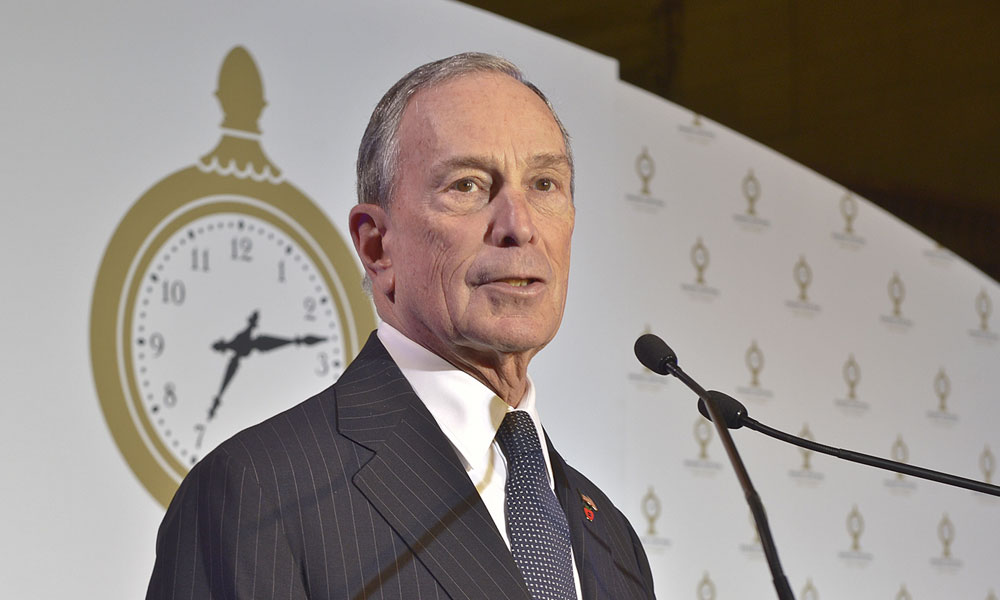
New York City Mayor Michael Bloomberg, who is still in the midst of his own Big Gulp battle, called Mississippi’s plan “ridiculous” but described the opposing opinion as part of the democratic process.
“You can’t have it both ways,” he said during his weekly radio morning show (opens in a new tab). “If you want democracy, then you’re going to have fits and starts. You’re going to have lots of input. You’re going to have dissenting views.”
(MTAPhotos/Flickr)

Comments
Comments are for ASAE members. Learn more about comments on this site.
Log in to your member account or join ASAE!