
Article Marketing / Communications 3 min read
Lunchtime Links: The Like Button Gets a Makeover
Facebook's iconic button looks simple, but redesigning it was an epic exercise in project management. Also: why asking everyone the same questions during interviews isn't "fair" at all.
Heads up: this content is over 5 years old, so some information may be out of date.
A lot of work can go into a little button.
You may not see it, but the Facebook “Like” button, which has taken the web by storm since its launch three and a half years ago, has become a bit of connective tissue that keeps the social nature of the internet moving. Changing that little button was a big deal—and on a such project, a good project manager has to get all the players in line.
That and more in today’s Lunchtime Links:
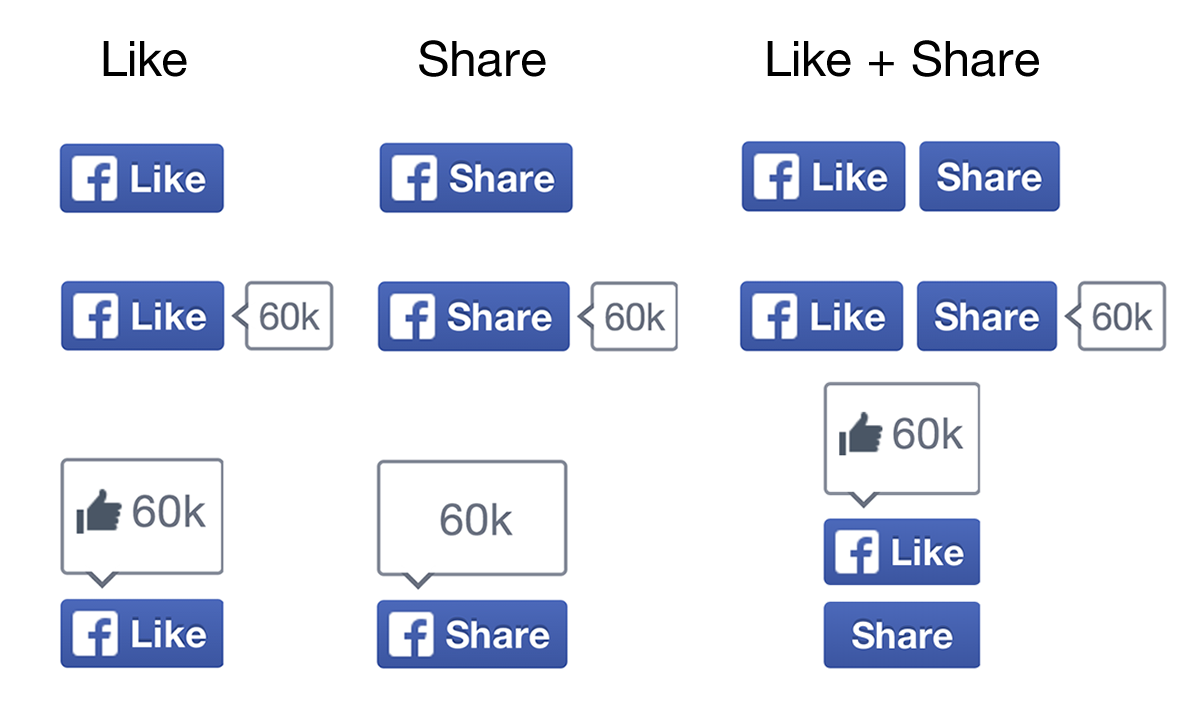
Rethinking Like: You see it dozens of times a day, and sometimes it just blends in to the articles you’re reading. Perhaps that’s why Facebook has given the old Like design the ol’ heave-ho, replacing it with a more simplistic design that dumps the thumbs-up button we’ve come to know and love and replaces it with a dark blue hue (opens in a new tab). But making that change wasn’t easy, and it was a great lesson in consistent project management. The process of getting the redesign approved is a fascinating one, with every section of the company participating, including CEO Mark Zuckerberg. (True story: Zuckerberg didn’t even like “Like” at first (opens in a new tab), but now he’s on board.) “‘They’re just buttons, why did it take so long?’ you ask, but getting a design that works across all these websites at different scales and in different browsers is quite a herculean task,” product manager Ling Bao told The Verge (opens in a new tab). Sound like a project you’ve worked on?
Ask the right questions, not the same ones: Doing interviews? Don’t fall into the trap of asking the same questions as a way to be “fair,” Association Executive Management’s David M. Patt, CAE, argues (opens in a new tab). Why’s that? Simple—every candidate is different. “Applicants may have different employment backgrounds and different work experiences,” he writes. “They may have held positions with differing levels of authority. Their education may be very important in your decision or not important at all.” Patt says a script-like line of questioning is “restrictive” and limits what you can learn about a candidate.
Lie, cheat, steal … feel great? First off: The staff of Associations Now doesn’t condone unethical behavior, but we do condone interesting studies. Which is why new research on the euphoria of cheating from the University of Washington’s Foster School of Business, reported by Forbes contributor David DiSalvo (opens in a new tab), caught our eye. The study, published in the Journal of Personality and Social Psychology (opens in a new tab), showed that given the opportunity to cut corners to get ahead on a test with a cash reward, 40 percent of participants did so—and most felt great afterward. With the reward taken away, 70 percent of the participants cheated. A third test using Amazon’s Mechanical Turk software—designed to make it obvious that the cheaters were cheating—found even more significant positive reactions from those who took part. “The research team’s takeaway from all three experiments is that the cheaters high is sparked by the thrill of getting away with it,” DiSalvo notes. “The final experiment showed this most clearly, because the plain face truth that participants were knowingly cheating actually increased their ‘high.’”
What’s on your radar today? Tell us in the comments.
Samples of the new Like button in action. (Facebook press photo)

Comments
Comments are for ASAE members. Learn more about comments on this site.
Log in to your member account or join ASAE!