
New Technology Challenges Polygraph in Lie-Detection Industry
Word-of-mouth advertising and consistently positive results have helped the Computer Voice Stress Analyzer gain traction in police agencies throughout the United States— and propel a rivalry of sorts.
Heads up: this content is over 5 years old, so some information may be out of date.
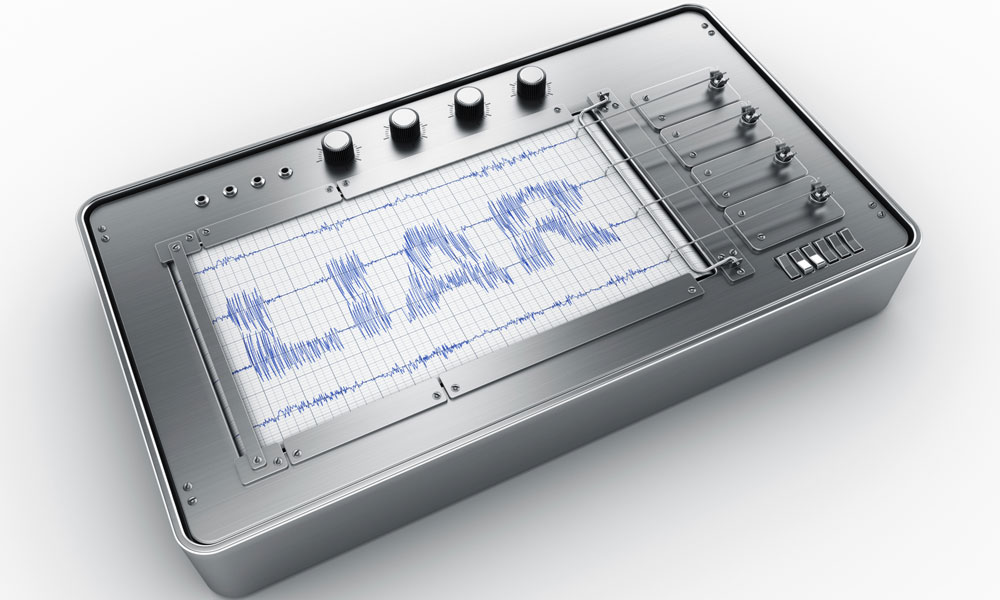
Over 2,000 law enforcement, security, and military agencies around the globe are using a new lie-detection technology to help with criminal investigations and to screen potential employees. Nearly 1,900 law enforcement agencies in the U.S. alone have dropped the polygraph machine in favor of the Computer Voice Stress Analyzer, according to data released last week (opens in a new tab) by the National Association of Computer Voice Stress Analysts (NACVSA).
“We don’t go out and do advertising,” said Lt. Ken Merchant, director of legislative affairs at NACVSA. “It’s all been word-of-mouth. The consistent results of the CVSA speak for themselves.”
Unlike the polygraph, which measures heart rate, CVSA uses only a microphone plugged into a computer to analyze a subject’s responses and voice patterns, according to the National Institute for Truth Verification (opens in a new tab), the manufacturer of the CVSA device. “Drugs do not affect the results of the exam and there are no known counter-measures that will cause the ubiquitous ‘inconclusive’ results associated with the polygraph,” NITV said on its website.
Merchant, who serves in the Erie, Pennsylvania, police department, was introduced to the technology while on an out-of-state investigation. Impressed by the results, he looked into bringing CVSA to Erie.
“We took a couple of years and talked to other departments about their experiences before my department went and bought it,” he said. “After our department got it, I was asked by outlying agencies to do testing for them, and after it worked consistently over and over for them they ended up switching as well.”
Recently, departments in Atlanta, Miami, Nashville, and New Orleans have made the switch.
Perhaps unsurprisingly, the new lie-detection method—which proponents tout as easier to use, less expensive, and more accurate than the traditional polygraph—hasn’t been received well by polygraphers. The American Polygraph Association has several resource pages on its website that defend the polygraph (opens in a new tab) and list studies that question the effectiveness of voice stress analysis (opens in a new tab).
Despite the growth of CVSA, the polygraph remains the lie-detection tool that the public knows and identifies with. But Merchant believes that will change.
“The more CVSA grows, the more it gets to be known, and the more interest we get,” he said. “[The polygraph] was the only thing available for a long time. But there have been a couple of occasions where you’ve seen the CVSA mentioned in news reports for some of the large-profile cases, and it’s starting to really get its name out there in the public.”
The technology was used in the investigation into the 2012 shooting of Trayvon Martin. George Zimmerman, who was acquitted last year on charges of killing Martin, passed a CVSA test the day after the shooting, according to a USA Today report (opens in a new tab).
(iStock/Thinkstock)

Comments
Comments are for ASAE members. Learn more about comments on this site.
Log in to your member account or join ASAE!