
Commercial Drone Enthusiasts Group Gets Airborne Quickly
In the span of just a day, hundreds of people signed up to join the Drone Pilots Association, a group that hopes to push back against some of the regulatory complications commercial drone users face.
Heads up: this content is over 5 years old, so some information may be out of date.
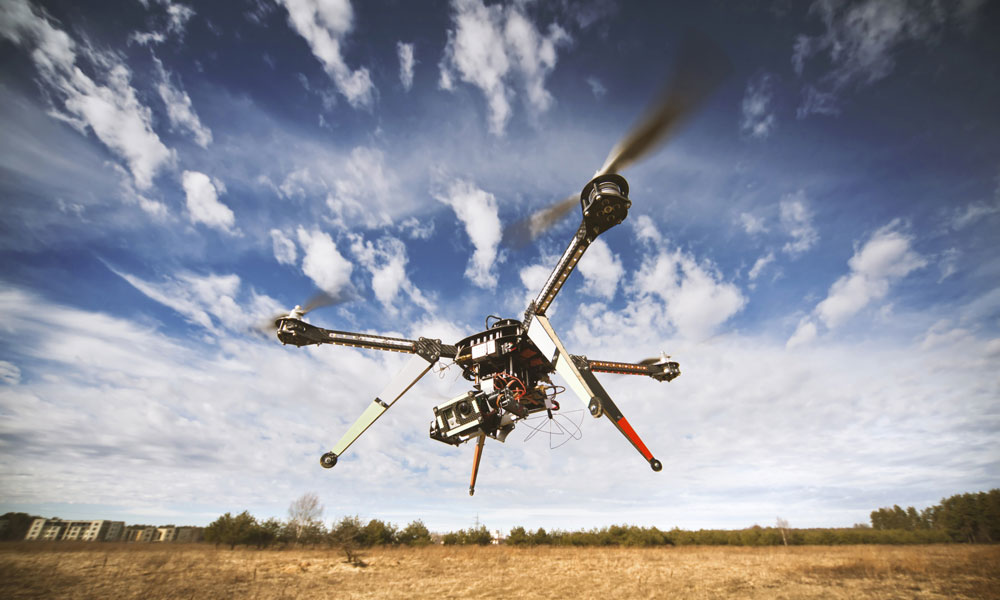
In the span of just a day, hundreds of people signed up to join the new Drone Pilots Association, whose first order of business is to end regulatory restrictions on commercial uses of the devices.
With rules for commercial use of unmanned aerial vehicles still up in the air, it was only a matter of time before pilots operating the devices launched a new organization of their own.
This week, commercial drone enthusiast and lawyer Peter Sachs (who combines the two interests on his blog, Drone Law Journal (opens in a new tab)) launched the Drone Pilots Association (opens in a new tab), which aims to counter what it sees as regulatory “overreach” by the Federal Aviation Administration.
“We all want the ability to operate commercially, and we all want to operate safely and responsibly while doing so,” Sachs wrote on the DPA website (opens in a new tab). “Let’s combine our voices using the DPA and see what we can do to reach those goals.”
The group will represent all commercial drone pilots, but not hobbyists, who DPA notes are already represented by the Academy of Model Aeronautics (opens in a new tab).
The FAA has been working on rules to govern commercial uses of drones, also called UAVs, since 2009. The agency has strongly discouraged those uses until the new rules are in place, at times levying fines or issuing cease-and-desist orders. That hasn’t stopped certain businesses and professionals, including movie studios, Realtors, and journalists, from using the devices anyway. (Media groups argue that FAA regulations don’t supersede the First Amendment’s freedom of press protections.)
FAA Headaches
Launch of the DPA comes at a time when operators are celebrating a legal victory. Last week, the U.S. Court of Appeals for the District of Columbia Circuit ruled that an emailed cease-and-desist order from the FAA to the nonprofit search-and-rescue firm Texas Equusearch, which uses UAVs in its work, was not legally binding as it did not represent the FAA’s final opinion on drones.
“The challenged email communication from a Federal Aviation Administration employee did not represent the consummation of the agency’s decision-making process, nor did it give rise to any legal consequences,” a three-judge panel wrote (opens in a new tab).
Last month, the FAA released an interpretation of current rules (opens in a new tab) that would block “careless or reckless operation” of unmanned aerial devices, outlined in a Special Rule for Model Aircraft (opens in a new tab) [PDF]. The reinterpretation was a catalyst for DPA’s launch—and Sachs wrote that he will likely raise funds for a legal challenge once the organization reaches scale.
The new group has drawn strong interest so far: As of Wednesday afternoon, 769 people had signed up for membership, more than 600 of them within a day of launch. For now, DPA is offering free membership, but when additional benefits are offered the group will likely switch to an annual fee-based model. Dues “would likely be nominal and comparable to other, similar membership organizations,” Sachs wrote.
(iStock/Thinkstock)

Comments
Comments are for ASAE members. Learn more about comments on this site.
Log in to your member account or join ASAE!