
FTC Regulator to App Industry: Protect Consumers’ Privacy
In comments last week, FTC Commissioner Julie Brill took the app industry to task for its poor handling of in-app purchases and raised concerns about the collection of health data. The Association for Competitive Technology warned that regulating such data too severely could stifle innovation.
Heads up: this content is over 5 years old, so some information may be out of date.
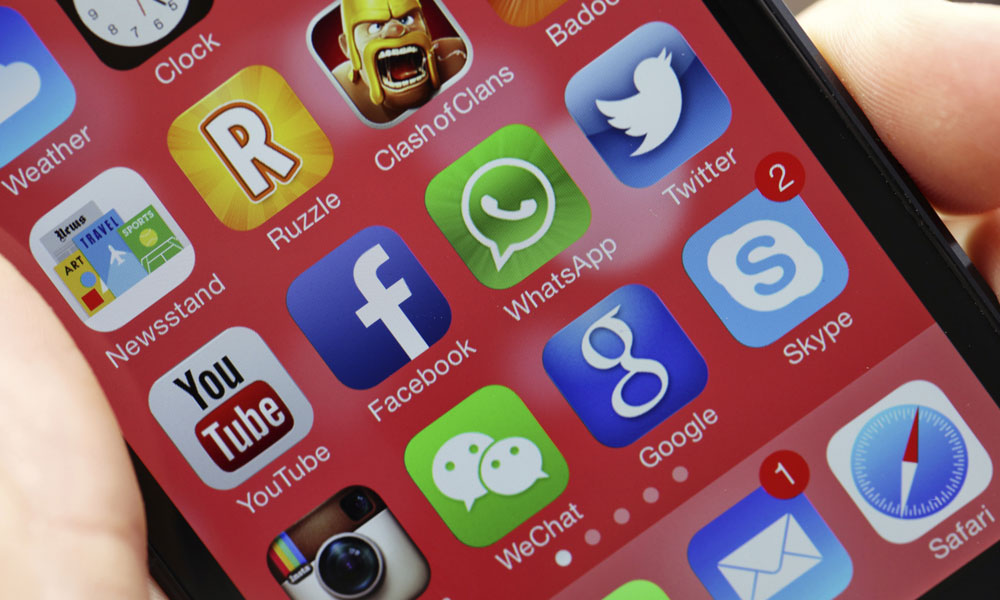
The use of apps to store medical information is becoming more than just a pipe dream for both developers and the public, with companies such as Apple getting into the act (opens in a new tab).
The Federal Trade Commission, however, has some serious concerns.
Last week, FTC Commissioner Julie Brill raised a few of them during a Tech in Policy panel hosted by The Hill (opens in a new tab). Citing examples (opens in a new tab) such as the infamous case of Target predicting a teen’s pregnancy, then sending her coupons for baby items, Brill emphasized that strong protections need to be in place for consumers and that health app developers need to inform users of what data is being collected and how the information will be used. And customers should be able to decline to have their personal information collected, she said.
“We don’t know where that information ultimately goes,” Brill said, according to a Reuters report of the event (opens in a new tab). “It makes consumers uncomfortable.”
For its part, the Association for Competitive Technology, which represents app developers, said the industry needs to do a better job communicating the benefits of data gathering by apps.
“The mobile health industry needs to educate the FTC about why collecting health data can provide better health outcomes,” ACT Executive Director Morgan Reed, who also took part in the panel, said afterward. “If we fail to do this, the commission could take action that would devastate app developers.”
Protecting Consumers
Brill also drew attention to the issue of in-app purchases. The FTC recently filed a complaint against Amazon (opens in a new tab) charging that the retail giant illegally billed parents for in-app purchases their kids accidentally made while playing mobile games.
Both Google and Apple (opens in a new tab) have faced legal challenges over the same issue. Google is currently the defendant in a class-action lawsuit (opens in a new tab).
Brill, while not speaking about a specific case, emphasized that if app developers “fall outside normal consumer protection principles, we will take action,” according to InformationWeek (opens in a new tab). “There’s a fundamental principle that, before you charge the consumer, make sure you obtain consent.”
Reed agreed, noting that the industry is “growing up” and becoming more transparent with consumers. “We’re doing a much better job of saying, ‘Are you sure you want to buy this? Are you sure you’re good with this?’” he said.
(iStock Editorial/Thinkstock)

Comments
Comments are for ASAE members. Learn more about comments on this site.
Log in to your member account or join ASAE!