
Article Marketing / Communications 2 min read
Dietary Supplement Groups Work to Quash Ebola Prevention Claims
With concerns rising in the U.S. about the deadly implications of an Ebola outbreak, some dietary supplement retailers could try to cash in. Industry groups are working to get out in front of false disease-prevention claims.
Heads up: this content is over 5 years old, so some information may be out of date.
Editor’s note: This story has been updated to reflect news that a second case of Ebola infection in the United States has been confirmed.
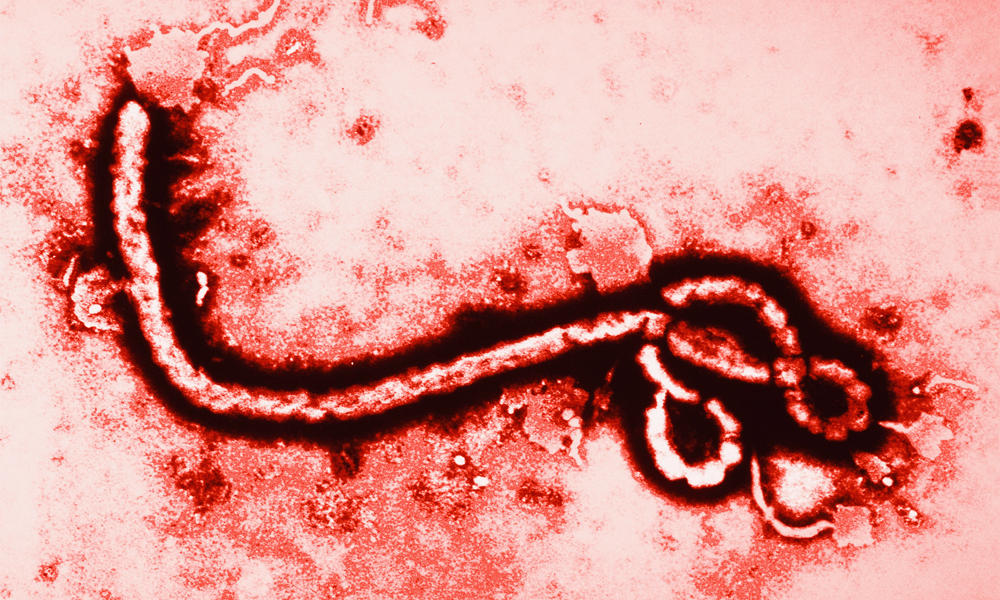
Few emotions can drive consumers to act in the way fear can. And that has dietary supplement groups concerned as consumers become increasingly fearful of an Ebola virus outbreak in the U.S. Now, a coalition of industry groups is trying to get out in front of any false claims that dietary supplements can cure or prevent the disease.
We are unaware of any scientific data supporting the use of dietary supplements to prevent Ebola virus infection or treat Ebola virus disease.
According to the World Health Organization (opens in a new tab), there is no licensed vaccine to prevent Ebola hemorrhagic fever, although two potential vaccines are currently going through human safety testing. News outlets have been covering the spread of the disease, especially over the past week when Thomas Eric Duncan became the first person to be diagnosed with Ebola in the U.S. Duncan died in Dallas last week.
“The dietary supplement industry is aware of public concern regarding the Ebola virus and of the desire of the public to protect itself against this virus,” the coalition said in a statement (opens in a new tab) last week. “We are unaware of any scientific data supporting the use of dietary supplements to prevent Ebola virus infection or treat Ebola virus disease. Furthermore, federal law does not allow dietary supplements to claim to treat any diseases, including Ebola virus disease.”
The groups that signed onto the statement—including the American Herbal Products Association, Consumer Healthcare Products Association, Council for Responsible Nutrition, Natural Products Association, and United Natural Products Alliance—suggested that marketers and retailers should refuse to promote or stock shelves with supplements that claim to prevent or cure the disease.
In August, the Food and Drug Administration released a similar statement (opens in a new tab), warning consumers about fraudulent Ebola-treatment products.
The supplement coalition urged consumers to seek treatment from their doctors. “While there are many dietary supplements that have much to offer in terms of enhancing general immune function, therapies for the treatment of Ebola virus disease should only be recommended by qualified healthcare professionals or public health authorities,” the coalition said.
A Harvard School of Public Health poll (opens in a new tab) released in August found that many U.S. citizens lack knowledge of the Ebola virus and how it can be treated and transmitted. Of the 1,025 adults surveyed, 33 percent believed that an “effective medicine to treat people” who have the disease existed, and 68 percent said they believe Ebola spreads easily. Another 39 percent said they were concerned that there will be a large outbreak in the U.S. in the next year.
According to the Centers for Disease Control and Prevention (opens in a new tab), as of October 5 there had been 8,011 reported cases of Ebola in the 2014 outbreak, 4,440 of them confirmed, and 3,857 deaths. A second case in the U.S. (opens in a new tab)—that of 26-year-old nurse Nina Pham, who cared for Duncan while he was hospitalized—was confirmed over the weekend.
(Fuse/ThinkStock)

Comments
Comments are for ASAE members. Learn more about comments on this site.
Log in to your member account or join ASAE!