
Healthy Food Trend Hits Pet Industry
The pet food industry, already struggling with a number of recalls and the potential of tighter state and federal regulations, has something else to worry about: the rise of healthy food, similar to what’s happened in the human food market. If Fido wants to eat, Fido gets to eat. But does Fido need to worry about the same gluten-free, natural, and other nutrition-specific concerns that their best friends do? That’s a question that’s driving shifts in the pet food industry. It’s no small potatoes, either. Grain-free pet food is believed to be a $3 billion industry, and consumers buying the...
Heads up: this content is over 5 years old, so some information may be out of date.
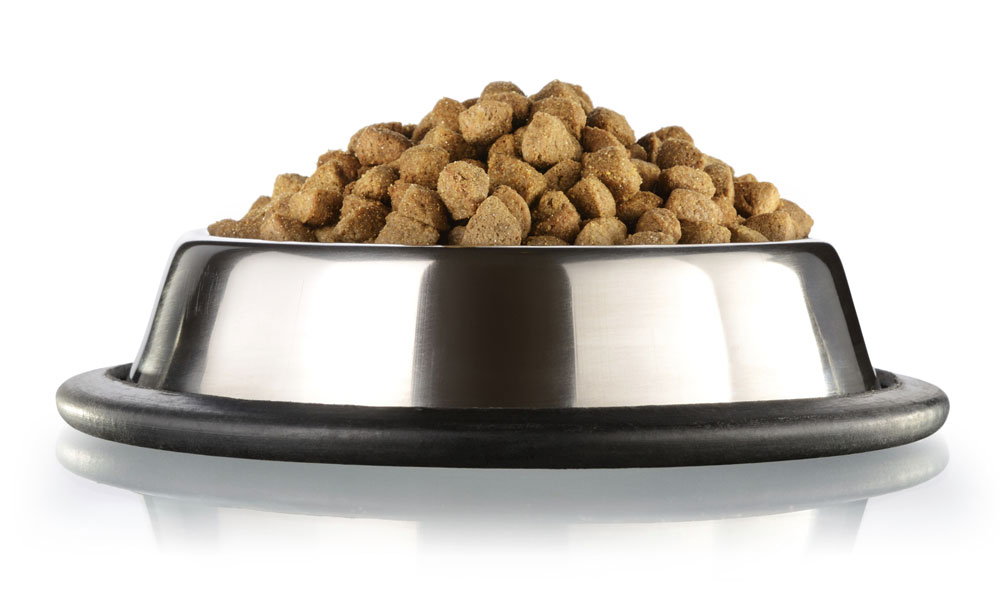
The pet food industry, already struggling with a number of recalls and the potential of tighter state and federal regulations, has something else to worry about: the rise of healthy food, similar to what’s happened in the human food market.
If Fido wants to eat, Fido gets to eat.
But does Fido need to worry about the same gluten-free, natural, and other nutrition-specific concerns that their best friends do? That’s a question that’s driving shifts in the pet food industry.
It’s no small potatoes, either. Grain-free pet food is believed to be a $3 billion industry, and consumers buying the treats are often paying extra for the honor—The Los Angeles Times notes (opens in a new tab) one pet shop selling grain-free and gluten-free dog treats for as much as $14.95 per pound.
“We’ve decided, because I only eat natural foods and I’m grain free, my pet should be grain free because it’s healthier for me so I think it’s healthier for them,” veterinarian Jeff Werber told The Times.
Industry Challenges
The growth of grain-free pet food (which Werber, by the way, says isn’t necessary for all pets to be healthy) comes at a time when the industry is facing some not-so-great headlines. Among them: a recent study covered in the Journal of the American Veterinary Medical Association (opens in a new tab) that found that around 40 percent of dog and cat foods tested (both dry and wet) may have had meats in them that weren’t listed on the label.
“We found a lot of undeclared pork in certain products,” Rosalee Hellberg, Ph.D., the coauthor of the study, told Today.com last October (opens in a new tab). “We found some products that would claim to have beef, even as a number-one ingredient, and there was no beef in the product at all.”
In recent weeks Pedigree has faced questions about the ingredients in its Marrobone dog treats (opens in a new tab) after some pet owners found prickly fibers inside them (the manufacturer says these are pig hairs and are safe to consume). Multiple varieties of Rachael Ray’s Nutrish wet cat food (opens in a new tab) were recently recalled—one of many pet food recalls (opens in a new tab) in the past year alone.
At the same time, the Food and Drug Administration is working on updating the requirements for nutritional labels on pet food. Animal rights groups want certain ingredients banned and labels to be more specific about what is in the products. Not that creating these labels is the easiest thing in the world.
“Currently if you look on packages for human food there’s a serving size, but that doesn’t translate when you are talking about a dog,” noted Cathleen Enright, president and CEO of the Pet Food Institute, in comments to The Hill (opens in a new tab).
An Embrace of Healthy Fare
So, in that context, it’s perhaps understandable why ingredients like grain are coming into question and why there’s been a rise in alternative pet food options, such as raw meat and vegetables. This trend keeps the pressure on the pet food industry to make better kibble as consumers become more aware of the options.
“They are asking how is the food made, what’s in it, what’s not, who made it,” Enright told The Los Angeles Times last week.
It’s a positive trend for the industry—especially since companies such as Petco are embracing the food-quality conversation (opens in a new tab).
“When we show them these brands, they become very interested,” John Sturm, Petco’s vice president of merchandising, told the San Diego Union-Tribune in February (opens in a new tab). “There’s a lot of opportunity to convert a lot of people to a higher level of nutrition for their pet.”
(iStock/Thinkstock)

Comments
Comments are for ASAE members. Learn more about comments on this site.
Log in to your member account or join ASAE!