
IATA Calls for Better Sharing of Airline Cyberthreats
After a set of recent cyber attacks and high profile disruptions of airline computer systems, the International Air Transport Association’s director general emphasized that airlines and governments worldwide should work together to help mitigate these threats.
Heads up: this content is over 5 years old, so some information may be out of date.
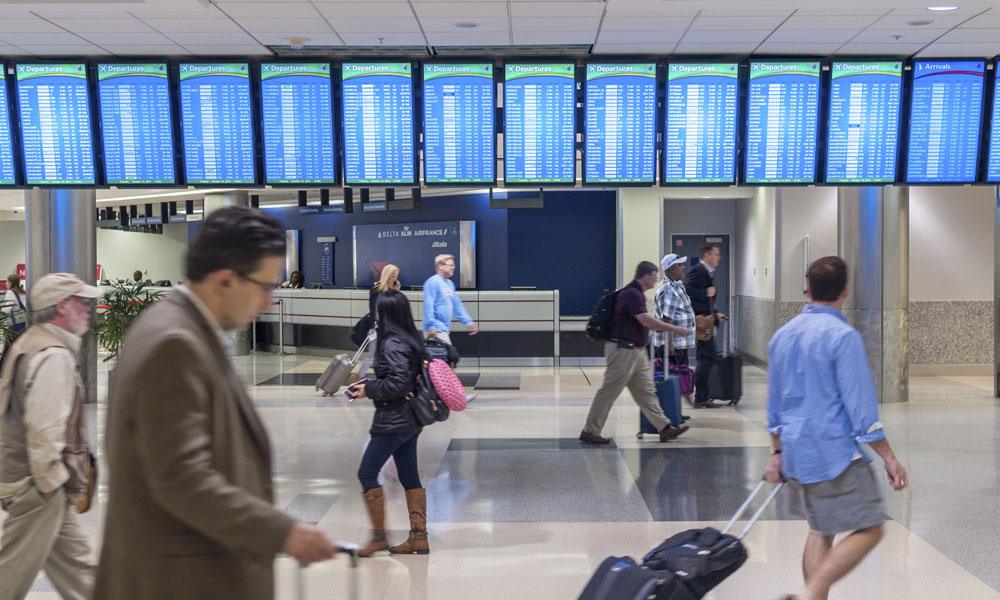
Vulnerability of airline computer systems is currently the subject of much debate, and a key airline industry group wants to see more help from the world’s many governments to improve cybersecurity.
On Thursday, International Air Transport Association (IATA) Director General Tony Tyler said that he would push to ensure that governments and airlines worldwide are sharing information on potential cyberthreats with one another.
“It is not acceptable that one airline may have access to information and best practices regarding appropriate cybermeasures and potential vulnerabilities, while another carrier doesn’t, simply because it is based in a different country,” Tyler said during the Civil Aviation Cyber Security Conference (opens in a new tab) in Singapore on Thursday.
IATA’s push comes amid two high-profile events that highlighted the vulnerability of the systems. First, LOT Polish Airlines saw its operations in Warsaw disrupted (opens in a new tab) on June 21 after an apparent cyberattack on its flight-planning operations. And second—and perhaps more notable for frustrated American travelers—United Airlines saw its nationwide reservation system break down (opens in a new tab) on Wednesday, a problem that the company blamed on a broken network router.
United’s glitch, the repercussions of which are still being felt, affected the flight plans of roughly half a million travelers, according to Forbes (opens in a new tab).
But creaky systems aren’t the only issue that airlines face. According to IATA, airlines have become prime targets for hackers due to the extreme value of the industry’s systems. IATA represents carriers that process more than $388 billion in transactions yearly. The association estimated that in March it had blocked more than 80,000 suspicious connections to its system a day, including a number of “brute forcing” attempts.
“Airlines are the highest value target for fraudsters, and close to 50 percent of all phishing attempts are made against airlines and airline passengers,” according to a report given to the industry group from a security firm, Tyler added.
IATA isn’t the only airline group focused on this issue. In recent months, both the European Aviation Safety Agency held a workshop (opens in a new tab) regarding the cybersecurity issue, and the Federal Aviation Administration launched a cybersecurity panel (opens in a new tab).
(iStock/Thinkstock)

Comments
Comments are for ASAE members. Learn more about comments on this site.
Log in to your member account or join ASAE!