
After Scandal, Egyptian Cotton Group Tightens Linen Scrutiny
In the months since Target found that a supplier was selling bedsheets that falsely claimed to be 100 percent Egyptian cotton, an industry group has stiffened its standards and doubled down on DNA-based certification.
Heads up: this content is over 5 years old, so some information may be out of date.
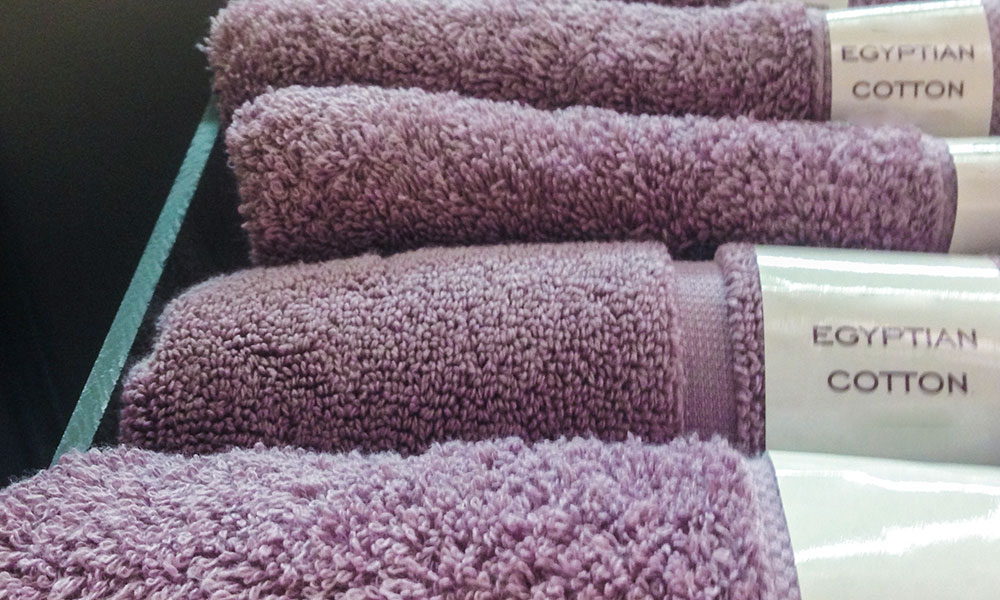
If you’re thinking of getting fancy Egyptian cotton sheets for a loved one this holiday season, you might want to double-check to ensure you’re getting the real thing.
It’s not necessarily guaranteed, as retail giant Target highlighted earlier this year.
The retailer dropped a contract (opens in a new tab) with Welspun India after it became clear that the sheets Target was getting were not “100% Egyptian cotton,” as advertised. And Target was just the first: Walmart dropped the sheets soon after, and Bed Bath & Beyond did the same last week. Other firms (opens in a new tab) also have been quick to audit the textile giant.
This move has shaken up the bedding industry in significant ways and threatens the future of Welspun. It also put attention on Egyptian cotton in general—for which demand has grown even as cotton production from the country has shrunk significantly. The Cotton Egypt Association (CEA), the group that certifies fabrics as 100-percent Egyptian, has long tested producers’ fibers. The process of certification, however, has faced challenges, because of size limitations.
“You can’t put an employee from the association on each production line to inspect [each item],” noted Mohamed Negm, a tester for CEA, in comments to Bloomberg (opens in a new tab).
Checking the DNA
CEA’s latest strategy, announced earlier this year (opens in a new tab), is to conduct DNA-based testing to test more effectively. The results are telling in ways that previous testing methods couldn’t be.
“We have taken samples from all over the world and found that a big percentage of what’s labelled ‘Egyptian cotton’ is not,” CEA Executive Director Khaled Schuman noted at the time (opens in a new tab).
Welspun is leaning on CEA as it works to repair its brand image in the wake of the Target scandal. Among other steps, Welspun is using CEA’s DNA-based certification process to confirm the integrity of its sheets, as well as moving its production of such cotton in-house “from procuring cotton to the finished product,” Reuters reported last week (opens in a new tab). The company has maintained its Gold Seal certification from CEA.
In some ways, CEA’s Schulman says, the scandal is a good thing for the sector, as it highlights the importance of integrity for the industry.
“If what was happening had continued, in a few years there would be zero Egyptian cotton,” Schuman told Bloomberg (opens in a new tab). “The turbulence now is positive. It’s raising awareness, and we are doing everything we can to protect the value of our product.”
(iStock/Thinkstock)

Comments
Comments are for ASAE members. Learn more about comments on this site.
Log in to your member account or join ASAE!