
Pediatrics Group Warns Against Teenage Marijuana Use
In the midst of public discourse on marijuana legalization, the American Academy of Pediatrics is making sure doctors are properly counseling families on the short- and long-term effects of marijuana use.
Heads up: this content is over 5 years old, so some information may be out of date.
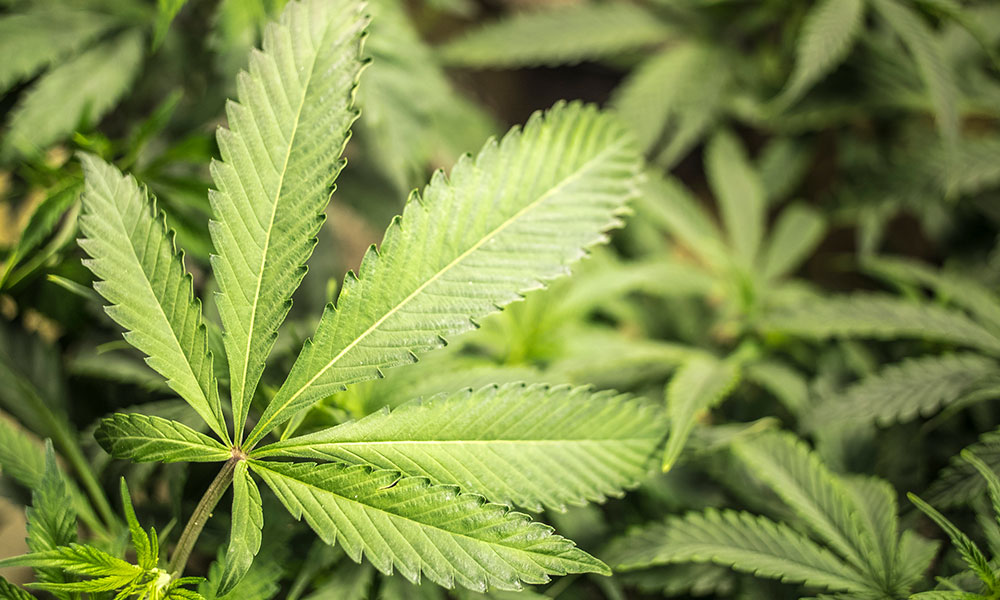
With states relaxing their marijuana laws, and the public, in turn, relaxing their attitude about marijuana, the American Academy of Pediatrics wants to remind parents and teens that pot use can do harm.
A new AAP clinical report released this week, “Counseling Parents and Teens About Marijuana Use in the Era of Legalization of Marijuana,” (opens in a new tab) instructs doctors to inform patients of the damage marijuana use can cause, especially to teens, and outlines why a relaxed attitude on the drug is dangerous.
“Despite the laws that are legalizing recreational use and really expanding the criteria or the conditions for which medical marijuana is being recommended, we really want people to understand that marijuana is not a benign drug,” said Dr. Sheryl Ryan, lead report author and chair of AAP’s Committee on Substance Use and Prevention.
For adolescents whose brains are still developing, regular marijuana use can cause mental disorders like anxiety or psychosis, as well as harm lung function and hinder learning by diminishing short-term memory, concentration, and executive function, the report says. In addition, marijuana also impairs the senses, which could lead teens to drive under the influence and cause car accidents.
According to the U.S. Department of Health and Human Services’ National Survey on Drug Use and Health (opens in a new tab), the percentage of 12- to 17-year-olds who think smoking marijuana once or twice a week is risky dropped from 55 percent in 2007 to 41 percent in 2015.
“Marijuana is not a benign drug, especially for teens. Their brains are still developing, and marijuana can cause abnormal and unhealthy changes,” Dr. Seth Ammerman, report coauthor and former Committee on Substance Use and Prevention Committee member, said in a statement (opens in a new tab).
Though marijuana can be helpful for some medical conditions, the report advises parents about using it wisely. AAP recommends parents avoid marijuana use in front of their children, preventing them from acquiring a relaxed attitude toward the drug and being exposed to secondhand smoke or pot poisoning.
“Parents who use marijuana themselves may not fully realize the effect this can have on their children,” Ryan said in the release. “Seeing parents use marijuana makes kids more likely to use it themselves, whether or not their parents tell them not to, because actions speak louder than words.”
Lastly, AAP recommends pediatricians screen their patients for substance abuse and provide treatment referrals, interventions, and guidance on drug abstinence.
Currently, 29 states and DC have adopted laws legalizing marijuana use in some capacity (opens in a new tab), with eight states and DC legalizing some recreational use. This report—one in a series that includes AAP’s position paper opposing the legalization of recreational marijuana, while supporting decriminalization and medical use in regulated circumstances (opens in a new tab)—came as a response to pediatricians requesting guidance for counseling families on marijuana.
“It’s just more in the mainstream of conversation, and parents are now concerned that our kids are going to have more access to marijuana now,” Ryan said. “There’s going to be more questions about it; there’s going to be less concern about its safety.”

Comments
Comments are for ASAE members. Learn more about comments on this site.
Log in to your member account or join ASAE!