
Controversy Lingers as Congress Rolls Back FCC’s Internet Privacy Rules
The House and Senate’s decision to roll back the Federal Communications Commission’s internet privacy regulations was welcomed by telecom trade groups but decried by consumer advocacy groups and the prior FCC chairman.
Heads up: this content is over 5 years old, so some information may be out of date.
With the stroke of President Donald Trump’s pen, one of the Obama administration’s biggest online privacy wins will be rolled back.
On Tuesday, the House passed a bill that would effectively eliminate the consumer protections put into place by the Federal Communications Commission last fall, which were set to take effect later this year. The Senate passed its version of the legislation last week. Like the FCC’s rulemaking, the bill passed largely on party-line votes in Congress, with Republicans supporting undoing the internet privacy rules and Democrats opposing.
The FCC regulations were controversial because they blocked internet service providers from sharing user data with marketers, while requiring ISPs to strengthen safeguards against hackers. The legislation, which rolls those rules back, was welcomed by industry trade groups such as USTelecom (opens in a new tab), the American Cable Association (opens in a new tab), and NCTA: The Internet & Television Association.
In a comment after the House passed the legislation Tuesday, NCTA argued that the ISP industry was in a place to self-regulate the issue.
“Today’s Congressional action to repeal the FCC’s misguided rules marks an important step toward restoring consumer privacy protections that apply consistently to all internet companies,” NCTA stated (opens in a new tab). “With a proven record of safeguarding consumer privacy, internet providers will continue to work on innovative new products that follow ‘privacy-by-design’ principles and honor the FTC’s successful consumer protection framework. We look forward to working with policymakers to restore consistency and balance to online privacy protections.”
FCC Chairman Ajit Pai likewise welcomed the legislation, saying (opens in a new tab) [PDF] that the regulations were “designed to benefit one group of favored companies over another group of disfavored companies.”
The Data & Marketing Association, which represents advertisers and marketers, also supported rolling back the FCC rules (opens in a new tab) and pointed out the industry’s efforts to act ethically in handling consumer data.
On the other hand, Tom Wheeler, the former FCC chairman who approved the rules last fall, argued that undoing the regulations would come at a significant cost to consumers—a view shared by advocacy groups focused on consumer and privacy issues.
“I understand that network executives want to produce the highest return for shareholders by selling consumers’ information,” Wheeler wrote in a (opens in a new tab)New York Times essay Wednesday. “The problem is they are selling something that doesn’t belong to them.”
The Electronic Frontier Foundation’s legislative counsel, Ernesto Falcon, put this point into even tougher words (opens in a new tab).
“This will harm our cybersecurity as these companies become giant repositories of personal data,” Falcon wrote in a blog post. “It won’t be long before the government begins demanding access to the treasure trove of private information Internet providers will collect and store.”
Battlefield: States
If Trump signs the bill into law, which he has emphasized he would (opens in a new tab), it’s likely that the battle wouldn’t be over.
The New York Times noted that state legislatures are likely to counter the legislation (opens in a new tab), with Illinois already considering “right to know” legislation that would require companies make available information to consumers on whether their personal information is being collected by the companies.
This sort of legislation will likely have an impact outside of Illinois since other states may follow suit. Furthermore, multinational companies will probably create solutions to the problem that benefit consumers in other states.
“More and more, states have taken the position that, if Congress is not willing or able to enact strong privacy laws, their legislatures will no longer sit on their hands,” explained Chad Marlow, an American Civil Liberties Union lawyer, in comments to the Times.
Room for a Do-Over?
The Hill notes (opens in a new tab) that FCC’s Pai has suggested reworking the privacy rules in tandem with the Federal Trade Commission—which some observers argue is the agency that should actually manage these sorts of privacy issues.
“The FTC has a long track record of protecting consumers’ privacy and security throughout the Internet ecosystem,” Pai said in a recent joint statement with FTC Chair Maureen Ohlhausen. “It did not serve consumers’ interests to abandon this longstanding, bipartisan, successful approach.”
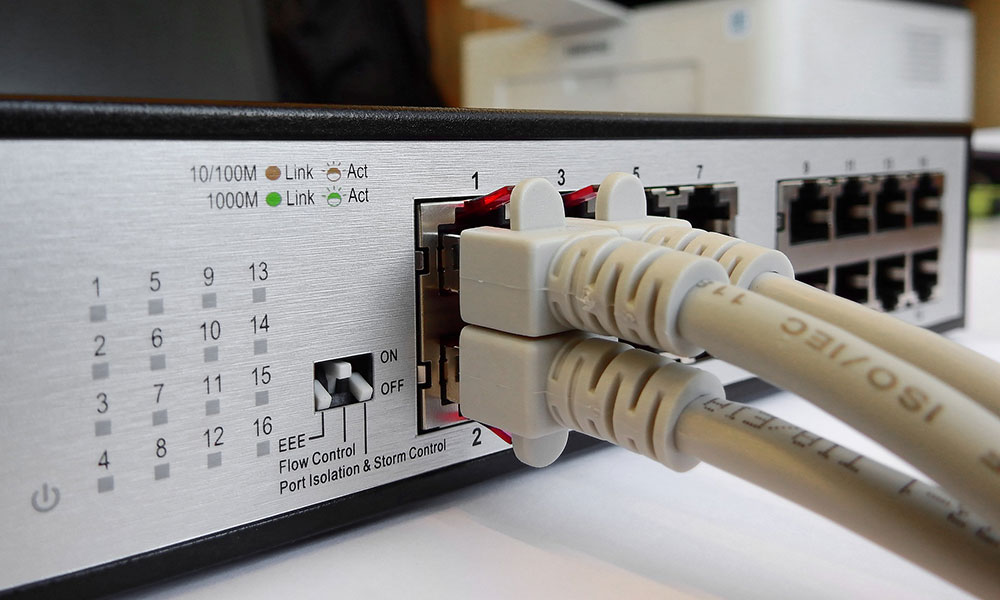
(WerbeFabrik/Pixabay)

Comments
Comments are for ASAE members. Learn more about comments on this site.
Log in to your member account or join ASAE!