
Groups Respond as Trump Administration Tightens Up H-1B Visa Program
The restrictions on the H-1B visa program, which has gained popularity among technology companies in recent years, are likely to be much tighter in the future as agencies in the Trump administration put their stamp on the policy. The approach, trade groups say, will likely let high-skilled workers in while discouraging strategies that they view as negatively affecting American jobs.
Heads up: this content is over 5 years old, so some information may be out of date.
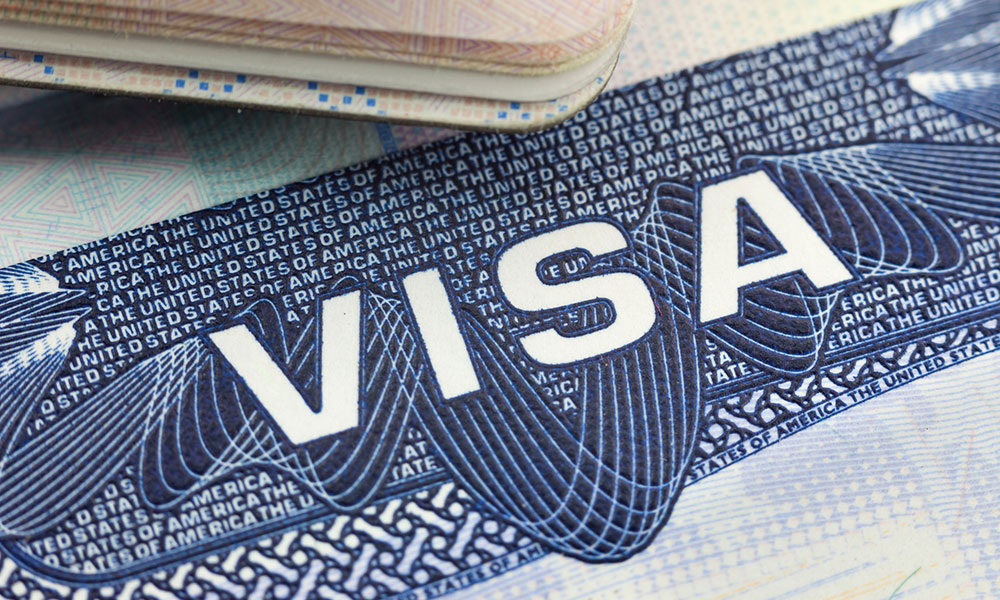
With President Trump at the helm, the H-1B visa program might be in for a fundamental change.
This week, the lottery program for foreign employees began anew, but with the promise of additional enforcement because of fraud concerns. In a news release this week, U.S. Citizenship and Immigration Services, the group that administers the program, emphasized that it would scrutinize applicants more seriously going forward through increased site visits and abuse reports.
The goal, USCIS says, is to prevent the use of the program from coming at the cost of U.S. workers.
“The H-1B visa program should help U.S. companies recruit highly skilled foreign nationals when there is a shortage of qualified workers in the country,” the release stated (opens in a new tab). “Yet, too many American workers who are as qualified, willing, and deserving to work in these fields have been ignored or unfairly disadvantaged. Protecting American workers by combating fraud in our employment-based immigration programs is a priority for USCIS.”
The move comes days after USCIS changed its strategy (opens in a new tab) [PDF] for handing out H-1B visas for computer programmers, requiring such workers to have unique technical skills. This approach would likely deter technology companies (opens in a new tab) from using the system simply to hire lower-cost workers.
Groups like the Computing Technology Industry Association (CTIA) responded positively, suggesting that the strategy struck a balance—letting in highly talented workers from other countries, but protecting American jobs.
“If it helps preserve the program and frees up more spots for truly exceptional people to continue innovation in this country, then it’s a good thing,” Todd Thibodeaux, CTIA’s CEO, said in comments to The Associated Press (opens in a new tab). “And if it squeezes out people out at the bottom, then so be it.”
Meanwhile, the India-based National Association of Software and Services Companies defended the practices within its industry, noting that its highly technical members weren’t the intended targets of the apparent crackdown.
“The H-1B visa system exists specifically because the U.S. has a persistent shortage of high-skilled IT talent,” the group stated, according to ZDNet (opens in a new tab). “It is aimed at screening out less-qualified workers, whereas our members tend to provide well-credentialed workers to help U.S. companies fill their skills gaps and compete globally.”
(iStock/Thinkstock)

Comments
Comments are for ASAE members. Learn more about comments on this site.
Log in to your member account or join ASAE!