
UN, Citizen Science Groups Join Forces to Track Mosquito Spread
The UN Environment Programme is teaming with citizen science associations globally to create a database that tracks the spread of mosquito-borne diseases—an area that governmental agencies have struggled to track on their own.
Heads up: this content is over 5 years old, so some information may be out of date.
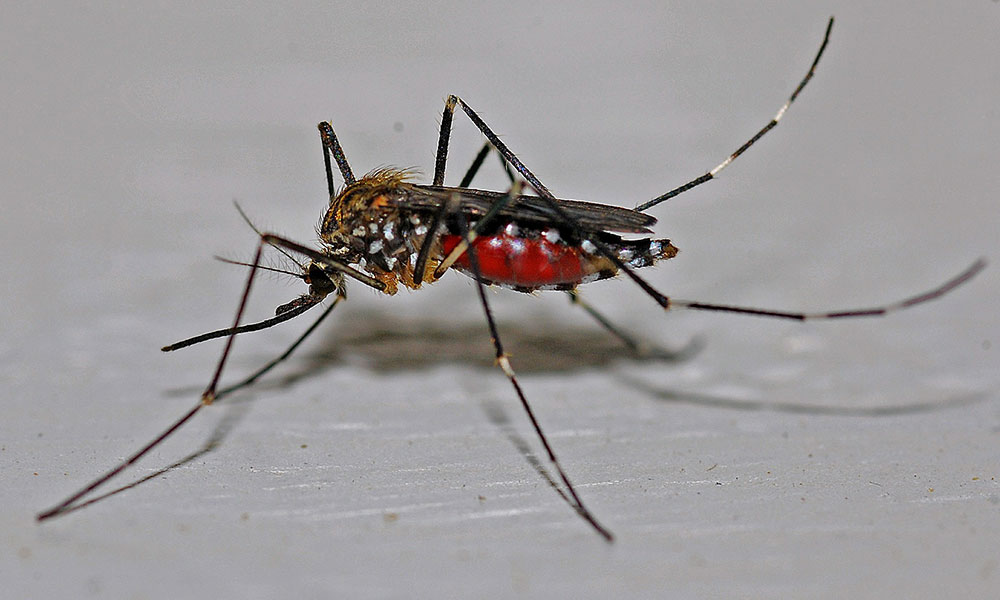
Last year’s Zika outbreak reminded the world that the lowly mosquito can carry and spread dangerous illnesses with frightening efficiency. Now the United Nations and citizen science groups are working together to leverage the collective power of the crowd to track the spread of mosquito-borne disease.
Global Mosquito Alert (opens in a new tab) was launched last week by the UN Environment Programme, along with the U.S.-based Citizen Science Association and its counterparts in Europe and Australia. It will deploy scientists and volunteers to track and control mosquito populations that carry Zika, yellow fever, chikungunya, dengue, malaria, and the West Nile virus.
The initiative “will offer for the first time a shared platform to allow people on the ground to share their observations and information with a large body of scientists to help them monitor emerging trends in real time and leverage citizen science for the global surveillance and control of disease-carrying mosquitos,” UNEP Director of Science Jacqueline McGlade said in a UN statement (opens in a new tab).
Formulated at a meeting in Geneva earlier this month, Global Mosquito Alert will use a number of existing mosquito-tracking initiatives around the world, combining them through UNEP’s Environment Live platform (opens in a new tab), an open-data service targeted at policymakers.
According to a statement (opens in a new tab) from the European Citizen Science Association, “Global Mosquito Alert will be an open, common e-infrastructure, platform, and protocol that may be augmented with modular components and implemented on a range of scales to meet local and global research and management needs.”
The Wilson Center, which is participating in the program, noted in a blog post (opens in a new tab) that citizen science could help fill gaps that government agencies don’t cover. The Centers for Disease Control and Prevention, for example, tracks the range of Aedes albopictus and Aedes aegypti, two potential Zika-carrying mosquitoes, but doesn’t track mosquitoes that carry other kinds of diseases like malaria or yellow fever.
“Opportunities to keep these citizen-led initiatives at the cutting edge of science will now depend on securing major funding to support the ongoing program development and its promotion to millions of people worldwide,” UNEP’s McGlade added.
(Pixabay)

Comments
Comments are for ASAE members. Learn more about comments on this site.
Log in to your member account or join ASAE!