
Report: Business Travelers Want More Travel Policy Flexibility
A new report from the Association of Corporate Travel Executives makes the case that an overly strict travel policy might be a turnoff for employees, who want an experience along the lines of consumer travel.
Heads up: this content is over 5 years old, so some information may be out of date.
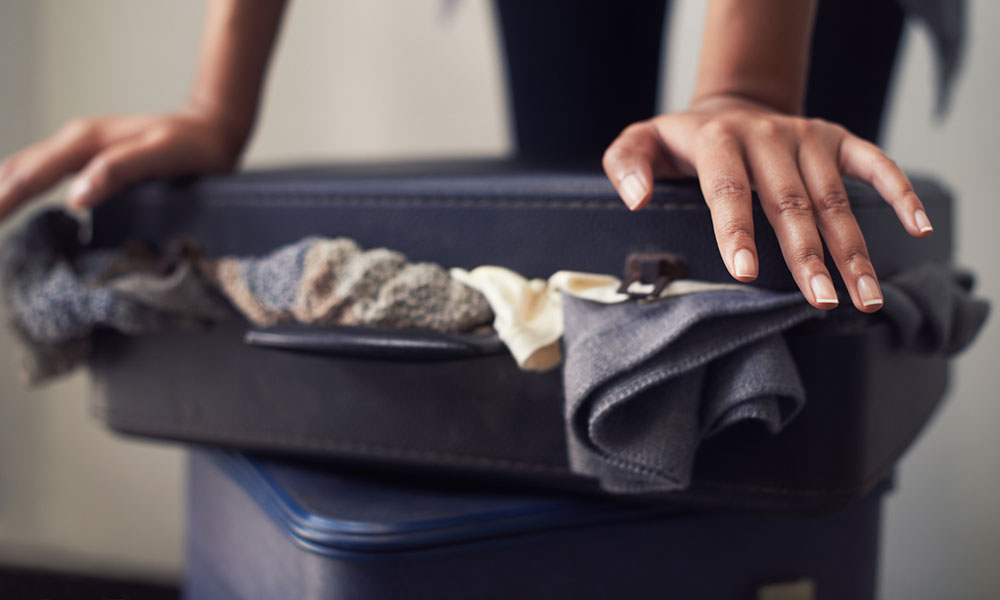
Business travel is more complicated than a sheer proliferation of “road warriors.” Certainly, some people love it, while plenty of other folks can’t stand it.
But “Managing the Modern Business Traveler,” a recent study from the Association of Corporate Travel Executives (opens in a new tab) done in tandem with American Express Global Business Travel, makes the case that, whatever their comfort level on hitting the road, travelers want travel managers to take a more considerate approach when it comes to those trips.
The poll of 174 travel managers in North America, Europe, and the Asia-Pacific region found that many travelers are looking for flexibility more associated with a consumer experience than one overly burdened by rules. (At the same time, curiously, security risks are often on the minds of business travelers.)
“This new breed of traveler comes with a complex set of needs and behaviors that, quite simply, make it more difficult for the travel manager to deliver a well-managed travel program,” the report states. “The modern business traveler seeks flexibility and the ability to fashion their own work-life balance. They expect the same on-demand, always-on consumer experience in the corporate travel environment.”
These concerns are having an impact among employees—28 percent of travel managers say policy issues are affecting employee retention in a growing or significant way, while a third of travel managers say job candidates are raising questions about travel policy.
And more than 30 percent of travel buyers say they’ve gotten requests from coworkers asking for exceptions to the travel policy. Driving these requests is a desire for a better work-life balance—37 percent of travel managers saw an increase in traveler inquiries around the issue, while 29 percent saw an increase in requests to add leisure to trips, and 18 percent pushed for video calls as a substitution for travel.
Part of the problem, notes ACTE Executive Director Greeley Koch, is that, while there is this push toward personalization, many organizations are pushing in the opposite direction to try to standardize their travel-management approaches. That leads travelers to do things like use third-party sites to book or perhaps rely on unapproved vendors like Airbnb.
“Business travelers have come to expect a personalized experience when they’re on the road, but many organizations continue to take a ‘one-size-fits-all’ approach to travel policy, driving travelers to work outside the normal channels,” Koch said in a news release.
The report, which can be viewed in full at Skift (opens in a new tab), ultimately finds that many travel managers are trying to become more accommodating to these concerns—with 22 percent of travel managers surveyed, for example, making changes to allow for sharing economy options like Lyft.
(PeopleImages/DigitalVision/Getty Images Plus)

Comments
Comments are for ASAE members. Learn more about comments on this site.
Log in to your member account or join ASAE!