
Article Marketing / Communications 1 min read
Christmas Tree Safety Tips: What Associations Recommend
Putting a Christmas tree in your house this year? Be smart and safe. Check out this fire-safety advice from around the association space.
Heads up: this content is over 5 years old, so some information may be out of date.
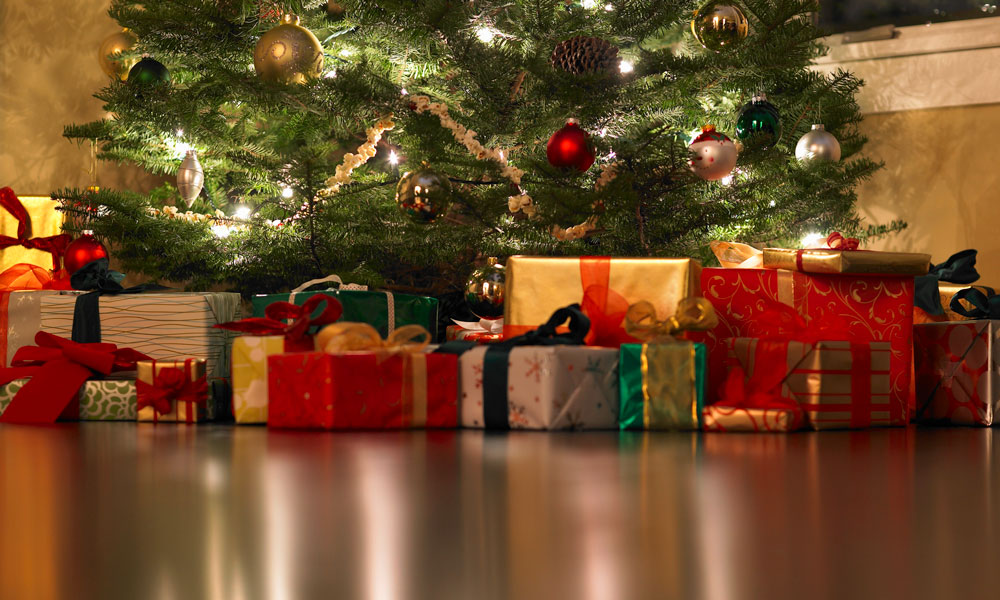
With all the recent reminders about fire safety filling the news—particularly in California (opens in a new tab)—it’s worth remembering a fire risk that hits a lot closer to home for millions of people this time of year: the Christmas trees adorning living rooms around the country. To keep your home and family safe this holiday season, associations are offering up a few tips:
Pick a fresh tree. According to the American Christmas Tree Association, trees that are vibrantly green are the way to go, as they’re less likely to catch fire. “The tree shouldn’t be shedding its needles readily,” says ACTA (opens in a new tab).
Artificial doesn’t mean you’re safe. Artificial trees come with their own problems, especially if they’re designed with built-in lighting—which is why Underwriters Laboratory (UL) has certifications (opens in a new tab) for prelit trees over 30 inches tall. ACTA emphasizes that with any kind of Christmas lighting—indoor or outdoor—you should ensure that the lights are certified by a testing lab like UL.
Check your lights. Even if your lights have been certified, they could still pose a fire risk. The National Fire Protection Association (NFPA) recommends (opens in a new tab) replacing any lights that have broken cords or loose bulbs.
Skip the open flames. Candles cast a warm holiday glow, but the Insurance Council of Texas warns (opens in a new tab) [PDF] that they should be kept away from trees and suggests that consumers consider battery-powered alternatives. NFPA agrees and notes that candles should also never be used to light Christmas trees.
Throw out your tree soon after the holiday. “Dried-out trees are a fire danger and should not be left in the home or garage or placed outside against the home,” NFPA warns (opens in a new tab). “Check with your local community to find a recycling program.”
(iStock/Thinkstock)

Comments
Comments are for ASAE members. Learn more about comments on this site.
Log in to your member account or join ASAE!