
Article Conscious Inclusion 2 min read
Wikimedia Takes Steps to Fight Harassment, Build Inclusivity
The Wikimedia Foundation has been tasked by its board to strengthen standards for inclusivity and against harassment—a lingering problem for the foundation’s most popular service, Wikipedia.
Heads up: this content is over 5 years old, so some information may be out of date.
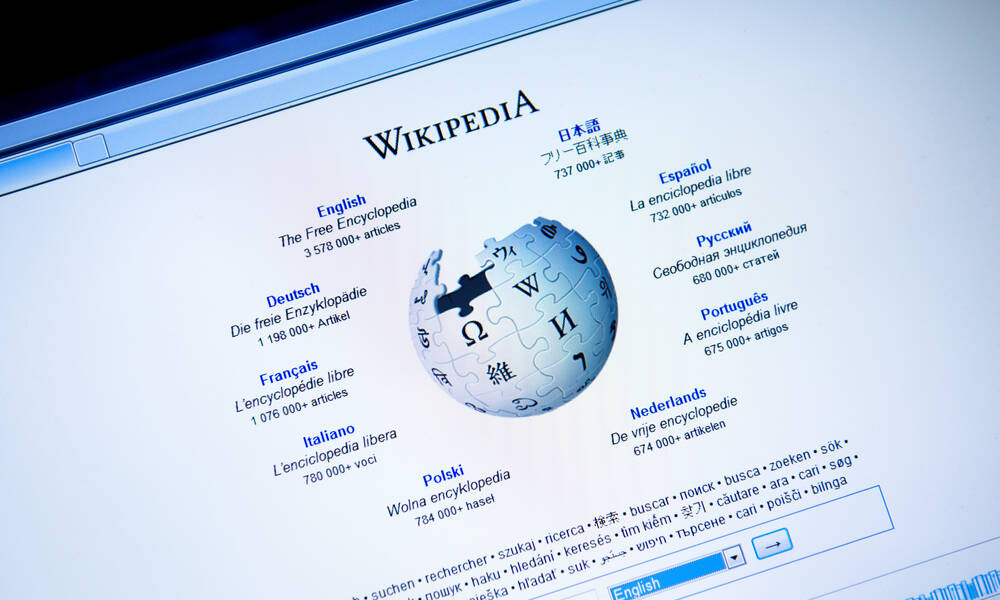
In its roughly two decades of existence, the Wikimedia Foundation, which operates the ubiquitous Wikipedia, has helped expand the reach of information through crowdsourced editing.
But that has created problems with harassment and exclusivity (opens in a new tab) over time, causing both personal attacks and a lack of representation.
That’s something the foundation hopes to fix in the coming years. Last month, the foundation’s board released a Community Culture Statement, which highlighted the group’s plans to fight these issues that can create long-term harms to an important resource. From the statement (opens in a new tab):
Harassment, toxic behavior, and incivility in the Wikimedia movement are contrary to our shared values and detrimental to our vision and mission. They negatively impact our ability to collect, share, and disseminate free knowledge, harm the immediate well-being of individual Wikimedians, and threaten the long-term health and success of the Wikimedia projects. The Board does not believe we have made enough progress toward creating welcoming, inclusive, harassment-free spaces in which people can contribute productively and debate constructively.
To assist with this, the board has directly asked the foundation to create sustainable practices and tools to fight harassment, toxicity, and incivility within its networks, while encouraging respect on the platform and discouraging bad actors. The board’s request also encourages the foundation to put more resources into its Trust & Safety team.
Bubbling Controversy
The initiative comes about a year after a controversy involving a high-level editor came to a head. The editor, known under the username Fram, was banned from the site for a year (opens in a new tab), due in part to accusations of on-site harassment. The issue created a debate in the community and led to many prominent editors leaving the site because the foundation stepped in to enact the ban, creating what the Wikipedia community described as a “constitutional crisis.”
However, such bans are not the only issues at play. As the BBC notes, a persistent gender gap exists for Wikipedia editors, particularly for women and LGBTQ editors, who have raised concerns about negative feedback from male editors. This has also led to the deletion of articles about female scientists by male editors (opens in a new tab), a problem in the scientific community. Notably, Donna Strickland, a 2018 Nobel Prize winner, did not have a Wikipedia page (opens in a new tab) because an editor felt she did not meet the site’s notability standards. (That changed (opens in a new tab) after she won the award.)
The foundation did not specifically reference these controversies on its site, but it noted that the statement “formalizes years’ of longstanding efforts by individual volunteers, Wikimedia affiliates, Foundation staff, and others to stop harassment and promote inclusivity on Wikimedia projects.”
(franckreporter/iStock Unreleased)

Comments
Comments are for ASAE members. Learn more about comments on this site.
Log in to your member account or join ASAE!