
Article Meetings / Events 4 min read
How to Respond if Attendees Report They Have COVID-19 After Your Meeting
Having a plan in place that allows attendees to inform your association of a coronavirus infection after your meeting is the first step in an action plan to deal with this potential issue. Then, organizations need to report to other attendees and possibly public health officials.
Heads up: this content is over 5 years old, so some information may be out of date.
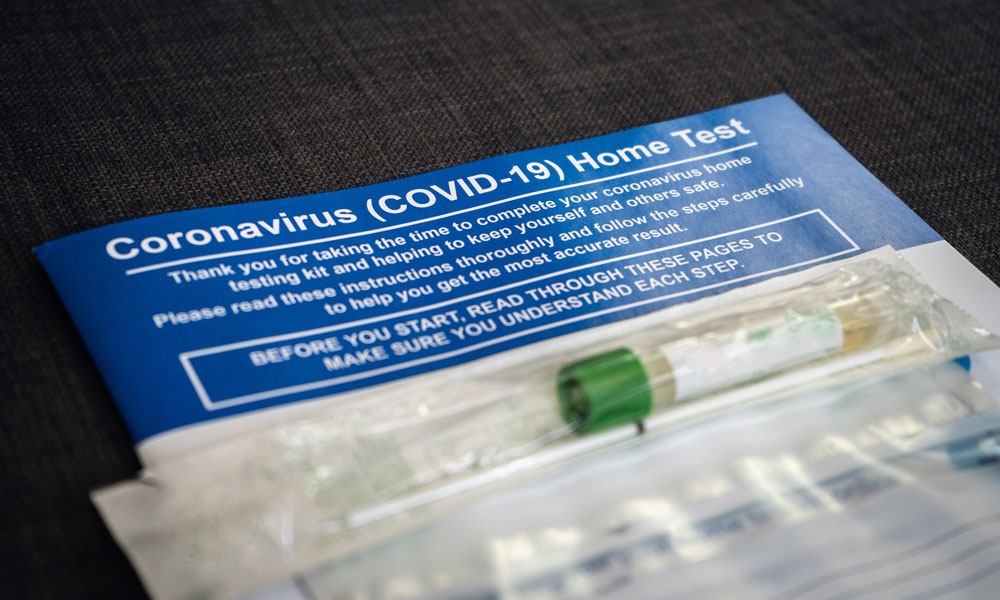
As more meetings return to fully in-person of hybrid events with in-person components, there is the chance that someone will test positive for COVID-19 following your meeting (opens in a new tab).
Julie Ann Schmidt, CMM, CMP, a certified COVID compliance officer and founder and CEO of Lithium Logistics Group, said having a plan to deal with this is important, and that plan begins by helping attendees understand who to report this information to.
“Organizations should have a process in place so that people can report back to them,” Schmidt said. “That is the first step, so that you do find out.”
Organizations can communicate what attendees should do if they test positive following a meeting using the COVID-19 section on the conference website or the conference app. If print materials are available onsite, info can appear there as well.
Generally, the meeting planner is the person that is put in charge of collecting that information. If someone informs an organization they’ve tested positive within two weeks of the meeting, other attendees must be informed. How many attendees are informed will depend on how well the meeting was set up for contact tracing.
“If your contact tracing is, we’ve got a reg list and we know who checked in, then that really means you have to inform everybody that attended your conference,” Schmidt said.
However, some meetings use contact-tracing technology in their badges that tells when a person came within six feet of other attendees and for how long. Typically, this badge technology anonymizes name information, so people are identified by a code (decodable by a key administrator, such as the meeting planner). Organizations that use systems like this can inform fewer people.
“If you’ve got that level of detail, you’re able to go into your system, plug in the code for the person who told you they tested positive, and it will kick out a list of who they were in close contact with,” Schmidt said. “Then, you only have to inform those people on that list.”
The downside of having to tell everyone, as opposed to a more targeted approach, is that you might unnecessarily worry some attendees. “Odds are, there are some people who didn’t ever interact with that person and weren’t exposed, but they don’t know for sure,” Schmidt said. “So, they have to potentially worry or go get themselves tested.”
When organizations do inform attendees they were exposed, limit the information to facts rather than advice. “I always advise my clients, if someone asks, ‘Should I get tested?’ you don’t answer that question,” Schmidt said. “I don’t think an organization should be giving medical advice. That’s between the person and their doctor. They should consult with their doctor on what the next course of action should be.”
The incubation period for COVID-19 is about 14 days, so infections after that time would likely not be related to your meeting.
Multiple Positives
If several attendees at your event later report that they became sick, you probably have an obligation to inform local health authorities, Schmidt said.
“The rules keep changing, and what I would do if it were happening to me, is I would go and double check the rules,” Schmidt said. “But my understanding is that if you’ve got three or more cases, it’s recommended that you inform the state health department. That is where you as the planner have a potential reporting requirement.”
Since rules vary from jurisdiction to jurisdiction, she said it’s key to make sure you understand the requirements for the locale where your meeting was held and follow them.
With the rollout of the vaccine, Schmidt said attitudes have become less negative about having a case or two at an event. However, there could still be bad publicity from a number of cases.
“Last fall, everything was—oh it’s a super spreader event; you’d see that in the news all the time,” Schmidt said. “I feel like people don’t talk about things in that same way anymore, like the media has moved on. That being said, if you have a conference that’s 100 people and 50 people test positive, that might be newsworthy.”
(Circle Creative Studio/E+/Getty Images Plus)

Comments
Comments are for ASAE members. Learn more about comments on this site.
Log in to your member account or join ASAE!