
Article Meetings / Events 3 min read
5 2021 Lessons: Flexible Work & Better Communication
Coming off a tumultuous 2020, organizations had to make major changes to their workplace operations, event protocols, and communication strategies. Here are the major takeaways from this year.
Heads up: this content is over 2 years old, so some information may be out of date.
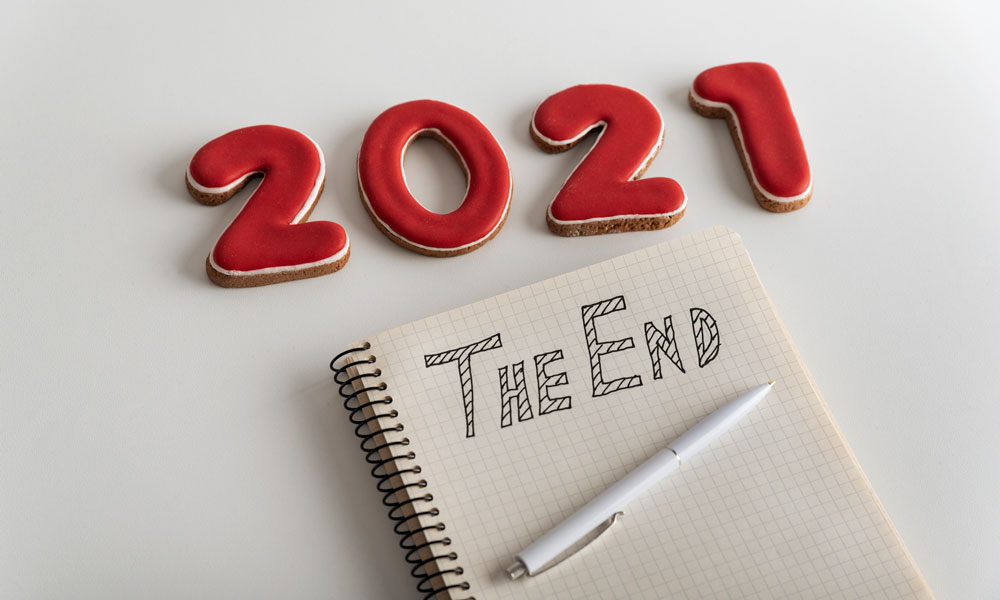
Nobody’s saying 2021 was easy. But it was still a year in which associations took the chaos of 2020 and began to find order. That’s why it’s worth taking a minute to pat yourself on the back, look at the year’s successes, and see how the industry has found growth during times of turmoil.
Here are five lessons that associations learned this year.
How to Implement and Adapt to New Protocols
Developing a plan to return to the office and in-person events amid the pandemic was a huge undertaking. Organizations faced a mountain of logistical considerations, legal concerns, and health advisories that continued to change as the pandemic marched on. As a result, organizations that found success with in-person operations this past year learned how to adapt quickly and communicate changes effectively.
Many associations came back safely by introducing new COVID-related protocols. For in-person events, some organizations implemented COVID-19 testing and vaccination requirements to reduce the risk of infection, while others opted to make their events hybrid so everyone could still participate.
How to Hold Hybrid Events
Hybrid events provided another big challenge: making the event experience just as worthwhile for remote attendees as for in-person attendees. Organizations leaned on a number of tech solutions to reimagine the event experience, such as using mobile apps to help attendees connect and investing in new virtual event platforms.
During its WEC Vegas event (opens in a new tab), Meeting Professionals International found success by letting remote attendees access a live broadcast so they could follow along in real time. The National Speakers Association ran its 2021 winter workshop (opens in a new tab) “like a TV show with a live studio audience” to give in-person and virtual attendees a similar viewing experience. Meanwhile, the American Gaming Association held a hybrid version of its Global Gaming Expo. Instead of trying to host an event that matched the remote experience to the in-person one, the association said it focused first on the in-person experience, then maximized its virtual offerings by streaming only the most impactful elements of its event, including the keynotes.
Ways to Better Communicate with Members
The pandemic limited face-to-face conversation, leading to less overall communication (opens in a new tab) and a reliance on online interaction. Online communication takes away some nonverbal signals and can be more easily misconstrued, so associations took a more sophisticated approach to communication with solutions such as training leaders to better cultivate relationships and prioritize messages.
This year also brought inclusive language into the spotlight, as organizations have needed to avoid stigmatizing employees who had COVID-19 and drive a more open dialogue on controversial topics in the workplace to address social justice issues.
In addition, some associations revamped their membership models to better fit changing member needs. For the American Library Association, a key step in rolling out its new membership model was communicating its offerings in a clearer, more concise way with up-to-date terminology to avoid confusion.
Changes to the Hiring Process
The pandemic also shifted how organizations hire employees, to be more accommodating in today’s work environment. Some organizations have done away with certain hiring red flags, such as “too much” job-hopping or gaps in employment, given that COVID-19 shutdowns decimated certain industries and led to mass layoffs.
Remote interviewing also changed hiring practices, leading organizations to provide more clarity on each step of the process and be more mindful of who is conducting interviews.
The Joys—and Challenges—of the Flexible Workspace
The pandemic gave rise to flexible work arrangements, such as letting employees choose where they want to work and giving them more control over their working hours. While this can lead to pitfalls such as micromanagement (opens in a new tab), isolation, and communication difficulties, many organizations have also seen the upsides (opens in a new tab): a boost in productivity, higher morale, and better work-life balance.
(SomeMeans/iStock/Getty Images Plus)

Comments
Comments are for ASAE members. Learn more about comments on this site.
Log in to your member account or join ASAE!