
 Sponsored By Visit Pasadena
How Associations Can Turn Pasadena’s Innovation Ecosystem Into a Meeting Campus
A well-chosen destination can do more than host a meeting. It can shape what attendees actually walk away understanding.
The most valuable room at your next association meeting may not be a meeting room.
Imagine a technical discussion that continues in the orbit of a leading research institution. An architectural setting becomes the prompt for a conversation about design. Now, the destination itself has become part of the programming.
That idea is becoming increasingly important as learning moves beyond traditional session rooms. Industry research continues to show growing value in peer conversations, networking, demonstrations, and destination-based environments. For associations—whose missions revolve around education, professional advancement, and community—that creates an opportunity: to evaluate the host city as a meeting campus.
Think Beyond the Meeting Room
Airlift access and location, cost, meeting space, and hotel inventory have been fundamental to associations’ destination selection checklist. So has member engagement, ensuring enough appeal to justify the travel investment. The shift now: How can the destination appeal contribute to the meeting itself?
That changes—and expands—the search. With attendees wanting to learn outside traditional session rooms, it becomes more than selecting the city with the right-sized, right-priced convention package. It becomes about the city package, one that facilitates learning in the informal minutes between sessions.
A university can provide intellectual context for an education program. A cultural institution can give members a different lens on their profession. A neighborhood, business district, or architectural setting can become a place for observation and discussion. A thoughtfully chosen off-site can create better conditions for candid peer exchange than another classroom setup.
The environment stops being scenery and starts being an extension of the program. The itinerary doesn’t have to hit every city landmark. Instead, every location should earn its spot on the itinerary and intentionally advance an objective, such as helping attendees understand something, see an idea in practice, build relationships, reflect, or connect a professional issue to a real-world setting.
When it does, that also strengthens the internal case for your board and stakeholders. You can show how destination-based learning can extract more educational and member value from a trip the association is already paying for.
Pasadena’s Innovation Ecosystem as a Meeting Campus
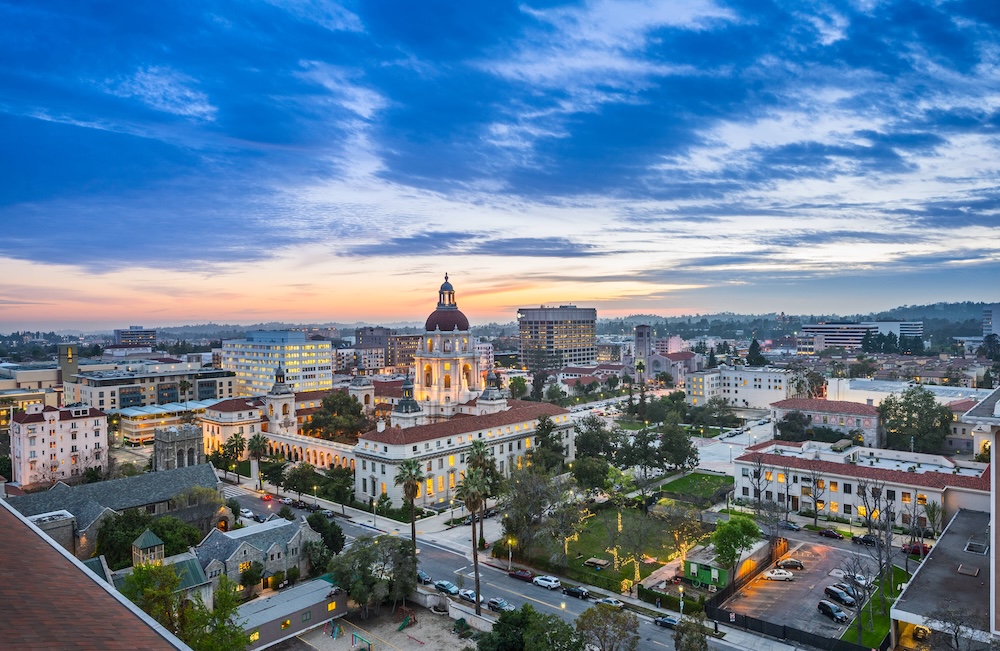
Pasadena, California, is an example of a destination with an innovation ecosystem that becomes the meeting campus because of its long history of science and tech innovation, groundbreaking discoveries, and world-renowned creativity in a walkable town—just 10 miles from downtown Los Angeles and with easy access to four major airports.
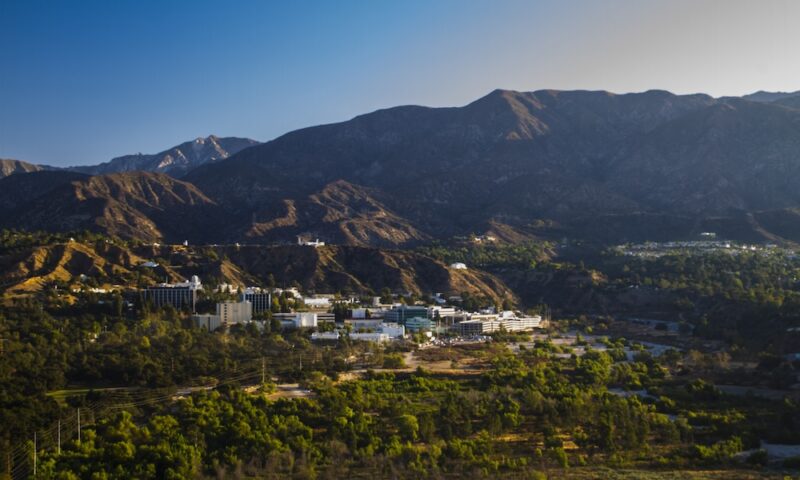
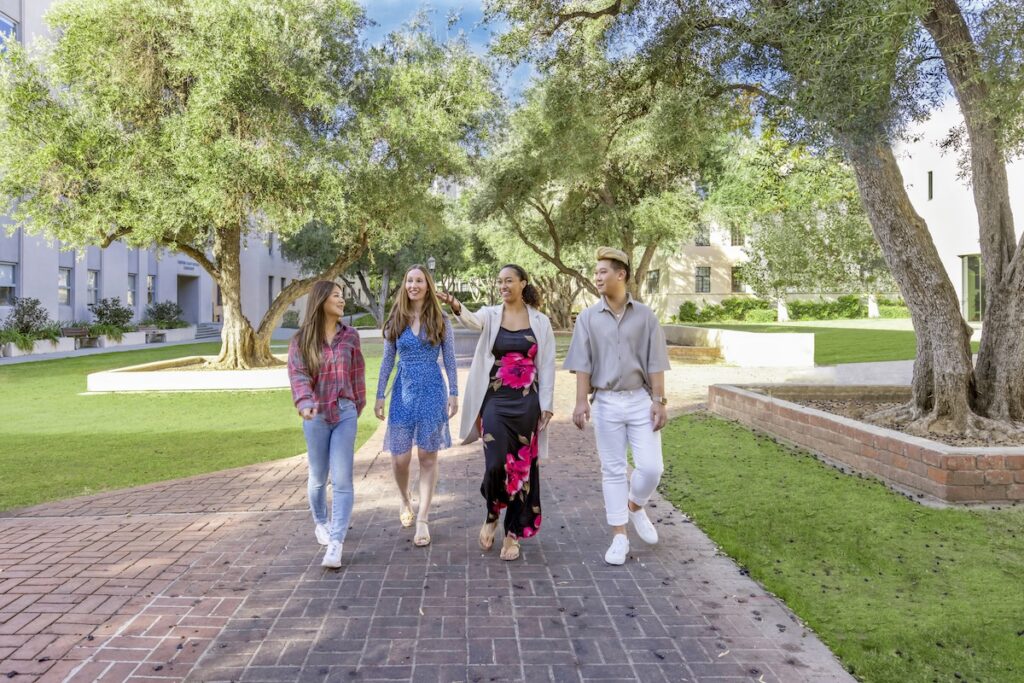
The 130,000-square-foot Pasadena Convention Center can serve as the central home base, with 1,650 hotel rooms within a half mile and a 97/100 Walk Score downtown. From there, unique settings nearby can reinforce the association’s community type, organizational goals, or program theme. The California Institute of Technology (Caltech) adds a deep science and engineering presence. The National Aeronautics and Space Administration (NASA)’s Jet Propulsion Laboratory (JPL) reinforces a culture of exploration, applied research, and problem-solving. For science, technology, engineering, and mathematics (STEM) oriented associations, those institutions can provide thematic relevance and possibilities for members. During their meeting, attendees can explore the Caltech campus in their downtime, especially with Pasadena’s average 76-degree daytime temperature. JPL offers free in-person tours for groups of up to 20.
Pasadena also highlights how a destination’s innovation doesn’t have to be limited to science. The Gamble House can prompt conversations about architecture and the relationship between form and function. The Huntington brings together art, historic literature, and gardens in an environment that can encourage observation and reflection.
The common thread: not sightseeing, but context.
How to Build a Program That Matches the Place to the Purpose
Turning a meeting destination into a genuine extension of the program takes more than just booking a scenic off-site. Here are a few principles recommended by Visit Pasadena:
Begin with the meeting objective. Before asking where to take your association’s members, define what you want them to understand, discuss, or do differently afterward, not the other way around.
Match place to purpose. A science institution makes sense when exploration, engineering, or innovation is relevant to the audience. A design setting should advance a conversation about creativity or problem-solving.
Design the transitions. Some of the strongest meeting moments occur between programmed sessions. On a walk from the convention center to the hotel. Over a meal. During a conversation that lingers after a presentation ends. A compact destination like Pasadena gives planners more freedom to treat those transitions as part of the experience.
And bring the destination organization into the conversation earlier. When you partner with the destination team during program design, you can have honest, productive conversations about what you want members to learn and experience and what the city makes possible.
If you’re interested in working with the Visit Pasadena team or learning more about how we help association planners turn our Southern California city into a meeting campus, visit meetpasadena.com.