
Article Membership 2 min read
Small-Scale Success Prompts Expansion of Food Truck Association
Mobile food vendors outside of DC are driving growth as owners seek unified voice on regulations.
Heads up: this content is over 5 years old, so some information may be out of date.
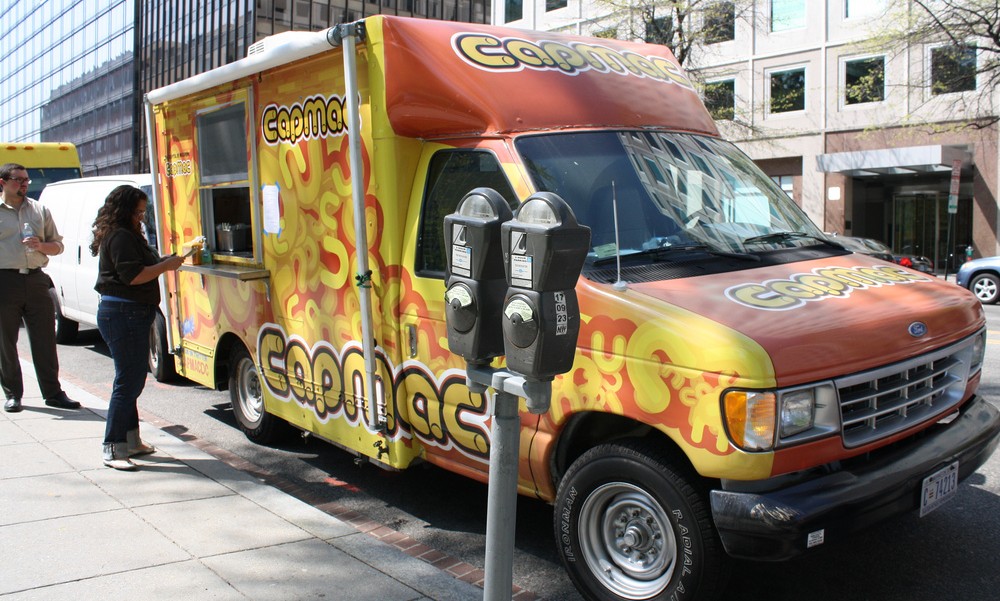
On Monday, the DC Food Truck Association (DCFTA) held its first official meeting with vendors in Arlington, Virginia, who are interested in joining the association—the first step in an expansion that will include a name change, new bylaws, and recruitment of the organization’s first paid full-time executive director.
We’re about protecting [truck owners’] investment by making sure that those regulations make sense.
The expansion comes a year and a half after DCFTA was founded as an all-volunteer organization representing 17 food trucks in the District. It provides a window into how success in meeting member needs creates opportunities for significant growth.
“When the group first started, we all thought, ‘Should we be an association for the whole [DC metro] region?’” said Che Ruddell-Tabisola, DCFTA’s current volunteer executive director. “At the time we decided not to because, being a membership organization, you want to be sure you can provide services to your members, and we really only had the capacity to focus on DC.”
Membership has more than doubled as food truck owners began to recognize the importance of speaking with a unified voice while facing tough regulation (opens in a new tab). DCFTA represents over half of the food trucks in the city, and applications for membership are on the rise.
The growth in numbers and resources prompted the organization to reconsider its DC-only focus.
In August DCFTA voted on a new set of bylaws to begin accepting members from other jurisdictions as well as hire paid staff. The board of directors for the newly named Food Truck Association of Metropolitan Washington will include members from each jurisdiction to ensure that the leadership is focused on everyone’s needs.
“Every jurisdiction has its own set of food truck regulations, so we really need to have the capacity to both focus on the regulatory issues and understand the unique dynamics of the market, politically and culturally, in order to effectively serve members,” said Ruddell-Tabisola. “We’re about protecting [truck owners’] investment by making sure that those regulations make sense.”
Strengthening the voice of the community may be the greatest benefit of the restructured organization, said Ruddell-Tabisola. “We provide a lot of organization and a forum, a place to get together. We’re all very supportive of each other, and it’s a real nice community.”
It’s one that will look a little different by the start of the 2013 food truck season.
(photo by Elvert Barnes/Flickr)

Comments
Comments are for ASAE members. Learn more about comments on this site.
Log in to your member account or join ASAE!