
Article Executive Leadership 3 min read
Learn More About the Pause Principle
Why taking time to stop may direct leaders to their next innovative breakthrough, according to the author of "The Pause Principle."
Heads up: this content is over 5 years old, so some information may be out of date.
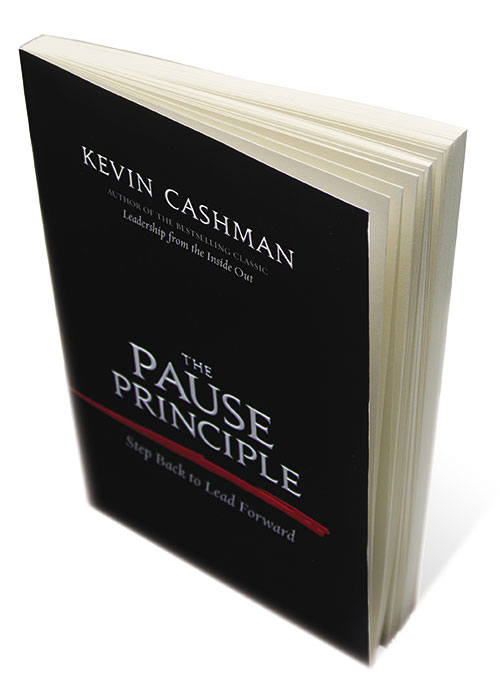
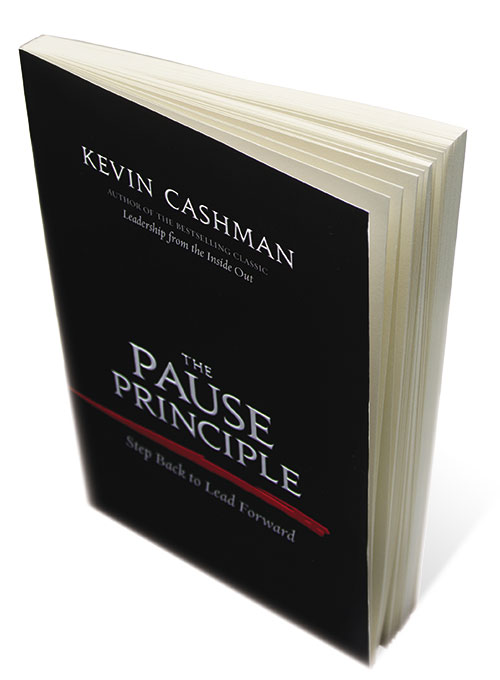
The Pause Principle: Step Back to Lead Forward
Berrett-Koehler Publishers; 192 pages; $16.95
While regular reflection is a recognized practice of successful leaders, executive coach Kevin Cashman drills further and identifies when and how to “pause effectively,” as well as what to do during that stoppage, in his book The Pause Principle: Step Back to Lead Forward.
If innovation is the new leadership, then pause is the new, transformative core competency for innovative breakthrough.
“If innovation is the new leadership, then pause is the new, transformative core competency for innovative breakthrough,” he writes.
The three-section book is a quick read, but the author warns against that temptation. Cashman urges CEOs and wannabes to do the plentiful “pause exercises” and to ponder topics such as the difference between hesitation and pausing, the types of pausing that work well in various situations, and “best pause practices” that evolve personal leadership and cultures of innovation.
In his “Pause to Grow Others” chapter, for instance, Cashman lists seven pause practices that leaders can adopt to “step back to lead forward” when developing employees. “Helping key people to get clear on their most meaningful, compelling aspiration may be our greatest developmental gift as a leader,” he writes. “We can talk about an achievement-driven legacy all day long, but a purpose-driven legacy, one that inspires clarity of contribution, is the real achievement. … Ask, ‘With these talents and these values, what is the difference you want to make?’ ”
For CEOs and board members who enjoyed Cashman’s 1998 business classic, Leadership from the Inside Out, this book may fill a gap in your personal library.
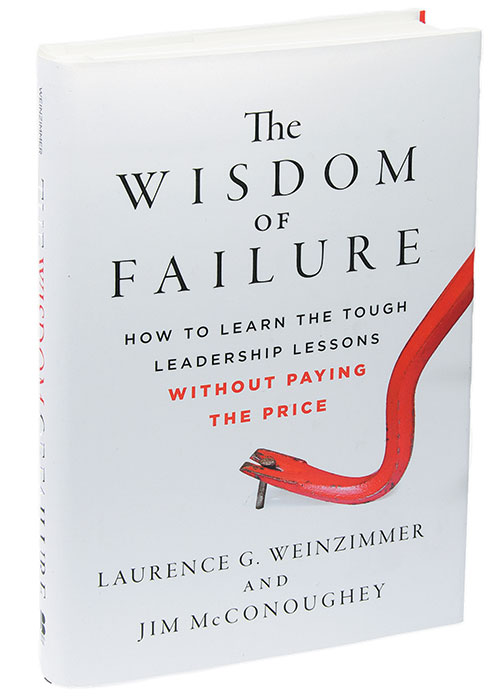
The Wisdom of Failure: How to Learn the Tough Leadership Lessons Without Paying the Price
Jossey-Bass; 304 pages; $27.95
This book by Laurence Weinzimmer and Jim McConoughey draws from a seven-year study of 1,000 managers across 21 industries to identify the “three most damning leadership mistakes”: unbalanced orchestration (organizational failure), drama management (failure within teams), and personality issues (failure of individuals). Within each error zone are categories familiar to associations: an all-things-to-all-people mentality, emphasis on efficiencies before effectiveness, workplace bullying, hoarding (of good employees, data, etc.), disengagement, and more. Fortunately, the authors identify when, who, and how certain organizational failures were averted or amended, letting outsiders learn from others’ mistakes. While current business writing trends toward “failing happily,” these guys warn that “at a certain level, learning from failure is not an option.” Consider this book an attempted rescue mission.
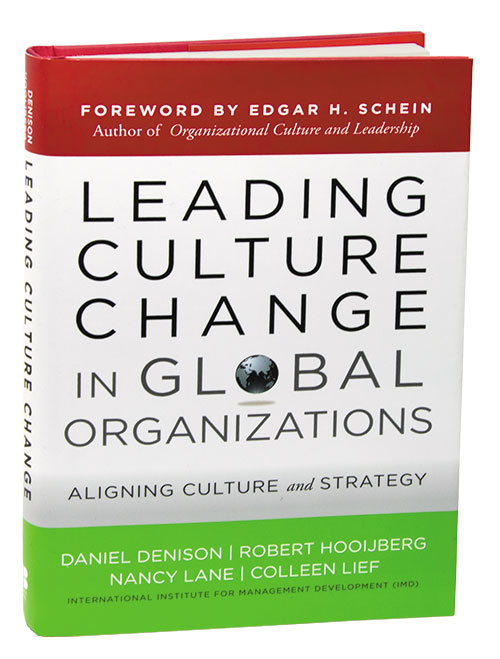
Leading Culture Change in Global Organizations: Aligning Culture and Strategy
Jossey-Bass; 240 pages; $34.95
four leadership academics at Switzerland’s International Institute for Management Development continue their longtime examination of “the link between organizational culture and business performance” worldwide. Led by Daniel Denison, they focus on four areas: creating a mission and direction, boosting adaptability and flexibility, inspiring worker engagement, and committing to a consistent value system. Although all case studies are corporate, including Domino’s and GE Healthcare, the book’s suggestions transfer well to associations. Struggling components? Invite their leaders to “straight-talk sessions” to discuss poor performance and identify the business potential if run more effectively—or purged. Especially relevant are blunt chapters on “Trading Old Habits for New” and “Creating Strategic Alignment,” which address painful issues faced at some point by nearly every association. Expect to crave pizza by page 194.

Comments
Comments are for ASAE members. Learn more about comments on this site.
Log in to your member account or join ASAE!