
Why Congress Pulled Back the STOCK Act
Legislation designed to prevent members of Congress from profiting from insider trading was quietly changed earlier this week, and a nonprofit organization's report played a key role in the revisions. That group is now calling for a fresh look at the government ethics code.
Heads up: this content is over 5 years old, so some information may be out of date.
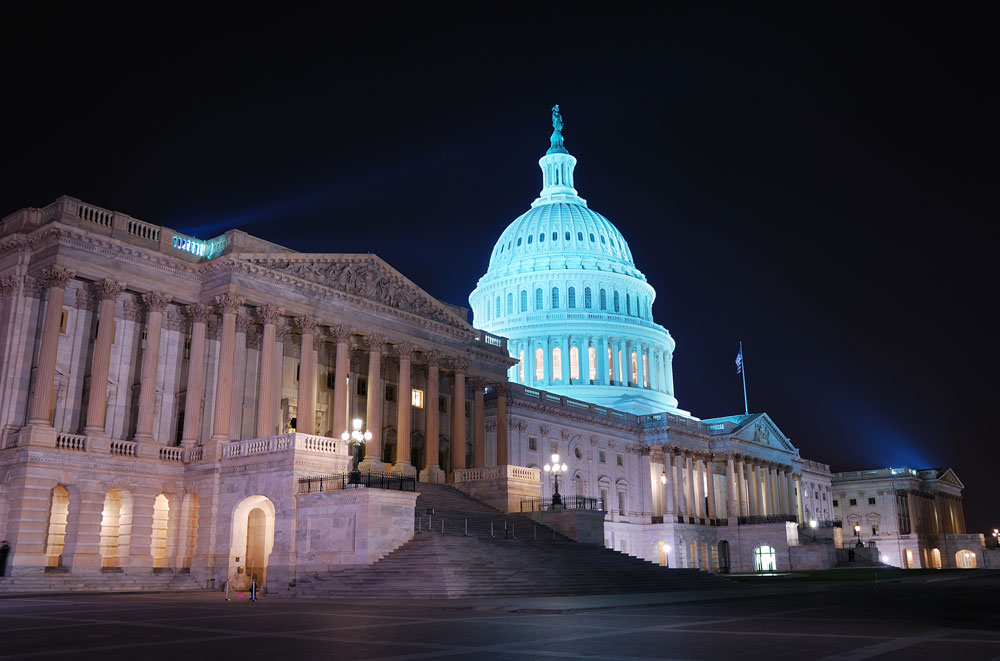
The original law passed with much fanfare, but the revisions? Not so much.
The Stop Trading on Congressional Knowledge (STOCK) Act, designed to prevent members of Congress from using their access to confidential information for personal gain, was revised earlier this week, after a study released last month confirmed concerns about the implications of one of its key provisions. More details on the changes:
Congress and the executive branch should conduct a comprehensive review of the STOCK Act and the Ethics in Government Act with the goal of bringing their ethics review regimens in line with 21st-century realities.
The law: Last year, the STOCK Act passed Congress after a controversial 60 Minutes report (opens in a new tab) showed that some government officials may have profited from a legal loophole allowing members of Congress to take part in insider trading. However, implementation of one of the most contested parts of the act, requiring online financial disclosures by senior government officials, was delayed three times before ultimately being repealed on Monday.
The study: After one of the decisions to delay the provision, Congress asked the nonprofit, nonpartisan National Academy of Public Administration to research the subject. In its report (opens in a new tab) [PDF], the group concluded that the financial-reporting requirement created security issues for federal officials traveling abroad, was ineffective at preventing insider trading or conflicts of interest, and could be a deterrent to hiring and retaining senior-level executives. The group went a step further, claiming that the situation was a clear sign that guidelines in the Ethics in Government Act of 1978 (which made the data publicly available but only on request) needed an update to protect the privacy of government employees. “It is time to update and strengthen the 35-year-old ethics system in light of current technology and its impact on the security and privacy of federal agencies and employees,” the report said. “Congress and the executive branch should conduct a comprehensive review of the STOCK Act and the Ethics in Government Act with the goal of bringing their ethics review regimens in line with 21st-century realities.”
The result: On Monday, the law was modified to limit the disclosure requirement to the president, members of Congress, congressional candidates, and some high-level federal appointees. But unlike the circumstances around the original bill, the repeal of the disclosure requirement was low-key, with no debate in the House or Senate. The president signed the bill quietly. While critics slammed the change—OpenSecrets claimed in an action report that the change made the law “toothless” (opens in a new tab)—the U.S. Office of Government Ethics suggested the revision effectively balanced privacy concerns and ethical questions. “We are pleased that, without compromising the conflicts-of-interest program, the legislation addresses concerns about posting the personal finances of nearly 28,000 federal employees and their families on the internet,” spokesman Vincent Salamone told The Washington Post (opens in a new tab).
The database of federal officials, which will now include a much smaller number of names, will go online next year.
(iStockphoto/Thinkstock)

Comments
Comments are for ASAE members. Learn more about comments on this site.
Log in to your member account or join ASAE!