
Meat Industry Groups Sue Over USDA Labeling Rules
Eight trade groups in the meat industry, including the American Meat Institute, have sued the U.S. Department of Agriculture over rules which require producers to label the meat’s country of origin.
Heads up: this content is over 5 years old, so some information may be out of date.
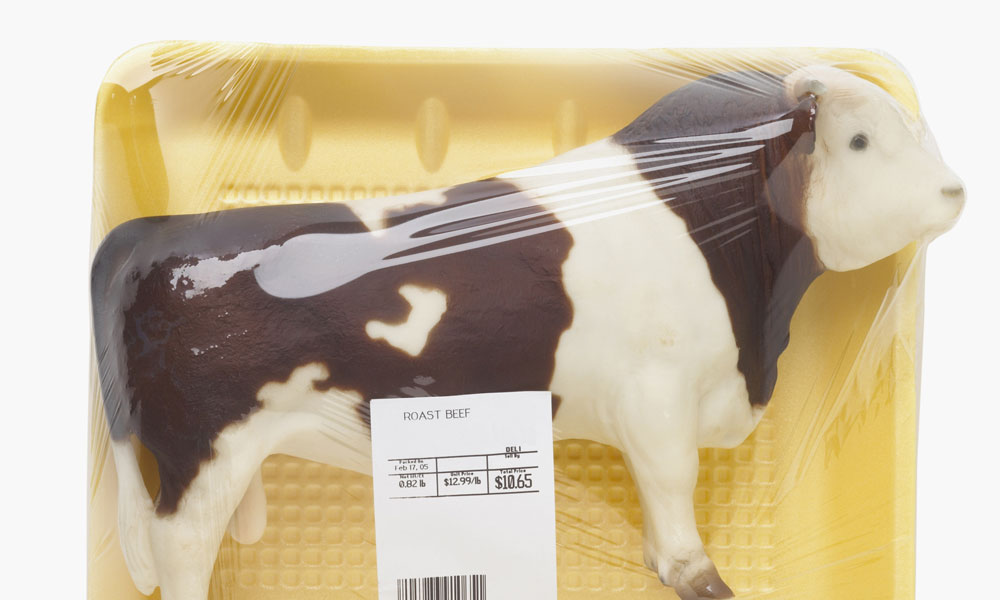
The next time you shop for a cut of meat in the grocery store, there’s a chance you’ll spot some new labels on the packaging. But depending on how a lawsuit filed by meat industry groups goes, they might not stick around for long.
When weighed against significant costs, we think this rule doesn’t make any sense.
More details on the case:
The rules: In May, the U.S. Department of Agriculture issued country-of-origin labeling (COOL) rules regulating the processing and labeling of meat. The World Trade Organization had ordered the U.S. to comply with its rules on meat labeling, but according to Courthouse News Service (opens in a new tab), the USDA made changes that require meat processors to separately list on labels where the livestock was born, raised, and slaughtered—and prevent meat from different parts of the world from ending up in the same package. Industry groups claim that those rules would lead to changes in the way meat is processed (for example, requiring that animals be segregated) that would be costly but provide limited benefit. “When weighed against significant costs, we think this rule doesn’t make any sense,” Mark Dopp, the American Meat Institute’s senior vice president of regulatory affairs, told Reuters (opens in a new tab).
The lawsuit: The associations suing USDA’s Agricultural Marketing Service—including the American Association of Meat Processors, the American Meat Institute, the Canadian Cattlemen’s Association, the Canadian Pork Council, the National Cattlemen’s Beef Association, the National Pork Producers Council, the North American Meat Association, and the Southwest Meat Association—claim in their legal complaint that the labeling rules amount to compelled speech , which violates the First Amendment. “The ‘Born, Raised, and Slaughtered’ regime and the bar on commingling also violate the COOL statute, which does not authorize country-of-origin labeling broken out by individual production steps or permit [the USDA] to restructure the industry’s longstanding supply chain in the name of enforcing a labeling requirement,” the complaint (opens in a new tab) [PDF] states.
While not commenting on the lawsuit, the agency maintains that the rules are necessary.
“USDA remains confident that these changes will improve the overall operation of the program and also bring the mandatory COOL requirements into compliance with U.S. international trade obligations,” Michelle Saghafi, a USDA spokeswoman, told Reuters.
This isn’t the only labeling change in the works, but the other one is being welcomed by associations in the meat industry: The National Pork Board and the Beef Checkoff Program, in tandem with the USDA, have been working on new names for cuts of meat for marketing purposes.
(Brand X Pictures/Thinkstock)

Comments
Comments are for ASAE members. Learn more about comments on this site.
Log in to your member account or join ASAE!