
Article Business Development 2 min read
A Weak Touch: Microsoft Struggles With Windows 8
Microsoft’s admission that sales of Windows 8 and Surface tablets are below expectations come at the same time as a major producer announced it is headed in a new direction. Part of the problem? The company’s bet on touch-enabled laptops appears to not to be working out.
Heads up: this content is over 5 years old, so some information may be out of date.
Microsoft seems to need a reset button more than a start button.
Microsoft CEO Steve Ballmer admitted in an internal town hall event last month that the company built too many Surface tablets and is not selling as many Windows devices as it wants, according to The Verge (opens in a new tab).
We are trying to grow our non-Windows business as soon as possible.
“We built a few more devices than we could sell,” Ballmer reportedly said at the town hall.
The Verge reported in July that Microsoft was cutting the price of its Surface tablet by 30 percent (opens in a new tab) to boost sales. Microsoft’s strategy relied on anticipated high consumer demand for touch PC notebooks, which hasn’t materialized because of high costs and concerns about the value of Windows 8.
According to Computerworld, (opens in a new tab) touch-ready laptop shipments are “significantly lower” than originally forecast. “We forecast that 17 percent to 18 percent of all notebooks would have touch this year,” Bob O’Donnell, an analyst with the technology research firm IDC, told Computerworld. “But that now looks to be too high, to be honest.”
Microsoft got more unwelcome news when personal computer manufacturer Acer announced it plans to sell fewer Microsoft products and more Chromebooks and Android-based mobile devices following a net loss in the second quarter because of lower sales and rising expenses.
“We are trying to grow our non-Windows business as soon as possible,” Acer President Jim Wang told investors during a conference call, The Wall Street Journal (opens in a new tab)reported (opens in a new tab). “Android is very popular in smartphones and dominant in tablets…. I also see a new market there for Chromebooks.”
WSJ also reported that Acer expects sales of Android devices—including smartphones, tablets, and Chromebooks—to contribute 10 to 12 percent of its revenue by the end of this year, possibly growing up to 30 percent in 2014.
“The Windows camp has to do something to re-establish or reinforce confidence among PC users,” WSJ quoted Acer Chairman J.T. Wang as saying. “People are reluctant [to buy] and are holding [off] their purchasing decisions.”
Earlier this year, a Forrester Research survey found that IT departments don’t believe Windows 8 is an improvement or will save companies enough money to merit implementing it.
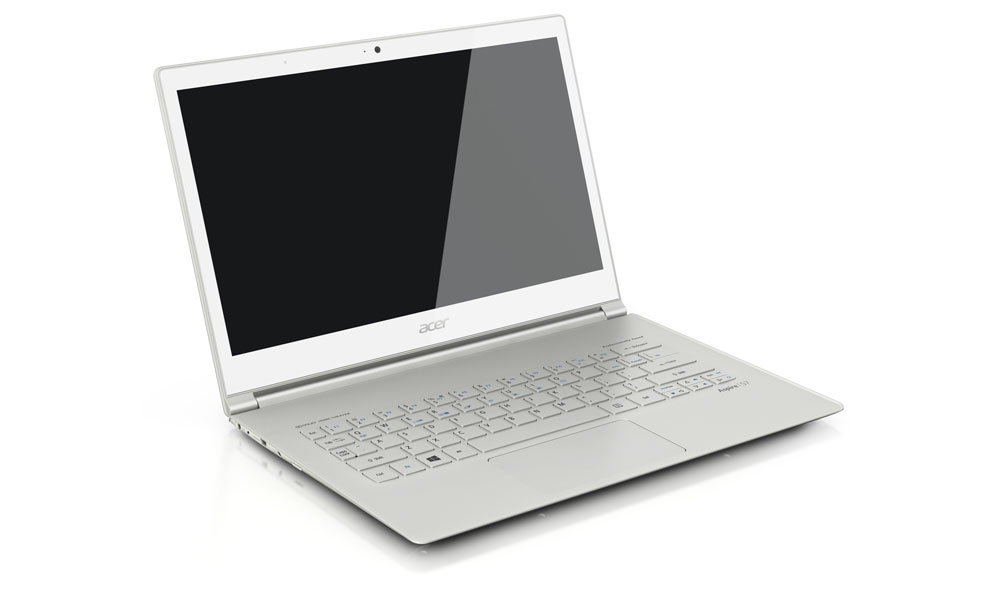
The Acer Aspire S7 is just one of the company’s Windows 8-based devices. Acer plans to move away from Windows-based products after a sharp drop in sales. (Acer press photo)

Comments
Comments are for ASAE members. Learn more about comments on this site.
Log in to your member account or join ASAE!