
The Great Daylight Saving Time Debate
Associations shed some light on the many aspects of daylight saving time, including why it started, what its goals are, and whether it’s something we should continue losing sleep over.
Heads up: this content is over 5 years old, so some information may be out of date.
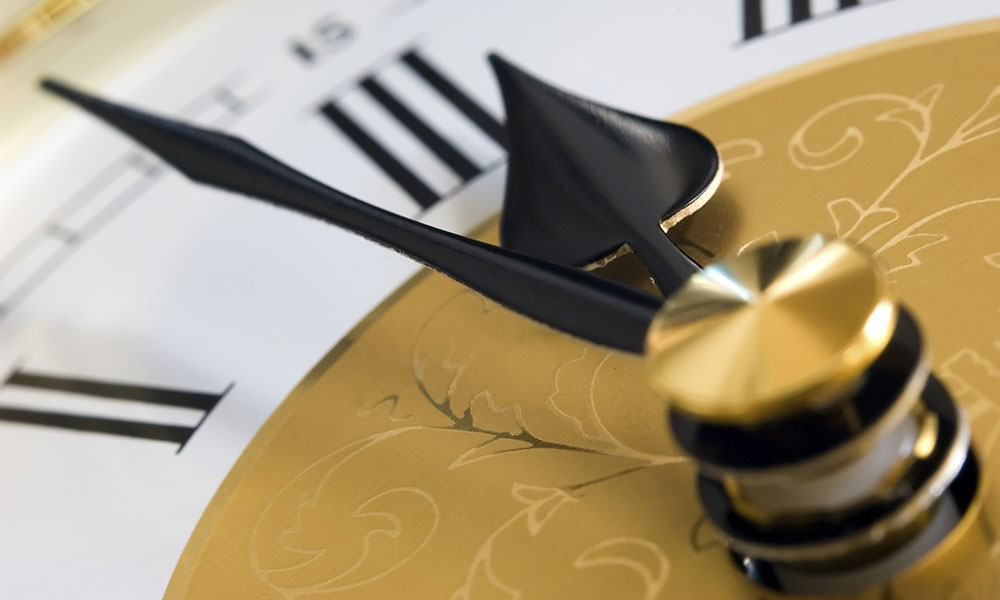
Americans have a love-hate relationship with Daylight Saving Time (DST), which began Sunday in most parts of the U.S. The lost hour of sleep heading into the first Sunday in March can take a day or two to adjust to, but the tradeoff is an extra hour of sunlight in the evenings.
Is it a good thing or a bad thing? The debate extends beyond the exchange of personal opinions on the subject. Two states—Arizona and Hawaii—don’t follow DST at all, while lawmakers in Florida hope to make this latest “spring forward” permanent (opens in a new tab).
Organizations in several industries have a stake in the debate, which goes back decades. More details:
Energy
One of the biggest misconceptions about DST is that it was created to give farmers longer days to tend to their crops. But according to National Geographic (opens in a new tab) [registration required], farmers lobbied against it, because the time change left them with less sunlight in the morning to get their crops to the markets.
Rather, DST began during World War I to help conserve coal and other forms of fuel for the war effort. It eventually lapsed but was reinstated for similar reasons during World War II and remained after the war. While the Energy Policy Act of 2005 (opens in a new tab) [PDF] cited energy savings as a main reason for extending DST—the U.S. moved from seven months of daylight saving to eight under the act—a 2008 study of energy consumption in Indiana (opens in a new tab) found that, because of new demands for heating and cooling, DST actually increased energy consumption.
The National Institute for Standards and Technology says there is room for debate on the issue. “Proponents feel that this saves energy because in the spring and summer months more people may be outside in the evening and not using energy at home,” the agency said in a recent NPR story (opens in a new tab). “There are, however, ongoing debates about how much energy is saved.”
Tourism
There’s a lot less disagreement about the boon to tourism. More sun means more tourism dollars, a driving force behind Florida’s proposed Sunshine Protection Act. “It’ll be very good for the economy,” Florida state Rep. Mark Danish told a Tampa news outlet (opens in a new tab).
In 2010, the U.K.-based Tourism Alliance launched a campaign to promote year-round daylight saving (opens in a new tab) [PDF] and the positive effects it would have on the local economy.
“In a nutshell, it would extend the spring and fall shoulder seasons for the tourism industry,” Kurt Janson, the group’s policy director at the time, told National Geographic (opens in a new tab). “There would be more usable daylight in the evening hours, when people are out and about and attractions are open.”
Public Health and Safety
Meanwhile, health and public safety associations have expressed concern about the body’s adjustment to the time change when DST goes into effect each spring.
Dr. M. Safwan Badr, president of the American Academy of Sleep Medicine, said the loss of an hour of sleep and the resulting grogginess can provide a glimpse of how people with insomnia feel on a regular basis. “Far too many people accept sleep problems as a way of life,” Badr said in a statement (opens in a new tab). “But the truth is sleep makes you healthier, happier, and smarter. Without quality sleep, your mental and physical health suffers greatly, putting you at an increased risk for chronic illness.”
Grogginess is also a concern to AAA Mid-Atlantic. The automobile association warned that the change in lighting during commuting times, combined with driver drowsiness, could be dangerous.
“While some believe just an hour of lost sleep is not significant, many people, who are already sleep deprived going into the weekend, are more likely to be impaired from an attention and safety standpoint,” Mahlon G. Anderson, AAA Mid-Atlantic’s managing director of public and government affairs, said in a statement (opens in a new tab). “A change in time can affect people physically and drivers can be more tired than they realize.”
It’s Day Three of DST 2014. Are you sleep deprived? Or looking forward to an evening by the grill tonight? Tell us if you’re “pro” or “con” in the comments below.
(iStock/Thinkstock)

Comments
Comments are for ASAE members. Learn more about comments on this site.
Log in to your member account or join ASAE!