
Fraternity Leadership Group Calls For an End to Hazing
With college frats facing ongoing criticism over alcohol abuse, sexual assaults, and even the hazing deaths of pledges, the North-American Interfraternity Conference is creating independent panels to address these serious issues and generate some solutions.
Heads up: this content is over 5 years old, so some information may be out of date.
The days of serious fraternity hazing—a college Greek life tradition that in some cases has led (opens in a new tab) to tragedy (opens in a new tab) in recent years (opens in a new tab)—could be numbered.
That’s because a fraternity association is taking steps to rein in the practice, and perhaps end it for good.
The North-American Interfraternity Conference (NIC), which represents 75 fraternities worldwide, has announced an effort to research ways to stop harmful activities often associated with the campus groups, including alcohol abuse, sexual assault, and hazing.
These commissions are an important step toward taking bold and decisive action so that we can preserve the legacy of North American fraternities.
More details:
Close scrutiny: Fraternity culture has increasingly been under the microscope in recent years, due especially to reported incidents of violent or abusive behavior by members. A March 2014 cover story for The Atlantic (opens in a new tab) titled “The Fraternity Problem” suggested that safety issues were so widespread that some of them flew under the radar entirely. “[A]nd so it was that I entered the bizarre world of falls from fraternity houses, which, far from being freakish and unpredictable events, are in fact fairly regular occurrences across the country,” author Caitlin Flanagan wrote. Flanagan questioned whether fraternity leadership is “acting in an ethical manner” by punishing members for misdeeds or is “keeping a cool distance from the mayhem.”
Steps being taken: At its annual meeting last weekend in Atlanta, NIC’s membership backed the launch of three presidential commissions, each charged with tackling a major on-campus issue for fraternities: encouraging safer patterns of alcohol consumption, developing strategies to “further diminish hazing,” and devising new programs and policies to help eliminate on-campus sexual assault. The panels will begin work in the next few months and will report back to NIC with recommended policy approaches. “We owe it to the fraternity movement to address our greatest challenge,” NIC board member Wynn Smiley said in a statement (opens in a new tab). “These commissions are an important step toward taking bold and decisive action so that we can preserve the legacy of North American fraternities.”
Now’s the time: In an article for Forbes, NIC CEO Peter Smithhisler drew a direct line (opens in a new tab) between the bad behavior at some frats and the amount of negative press that fraternities in general are drawing. “These cases … significantly overshadow all the good done by fraternities and their members today,” he wrote, noting members’ philanthropic work, community service, academic performance, and presence in business and political leadership positions later in life. “Yet today, those of us who fervently believe in the value of fraternities stand at an important crossroads: If we intend to preserve all that is right with today’s fraternity movement, we must improve our efforts to address that which is wrong,” he wrote.
Speaking to Flanagan for The Atlantic story, Smithhisler emphasized that the Greek system’s potential to drive members to leadership and service offered plenty of paths above the fray—opportunities to become “a better dad, a better teacher, a better engineer, a better pilot, a better ‘insert career here.’”
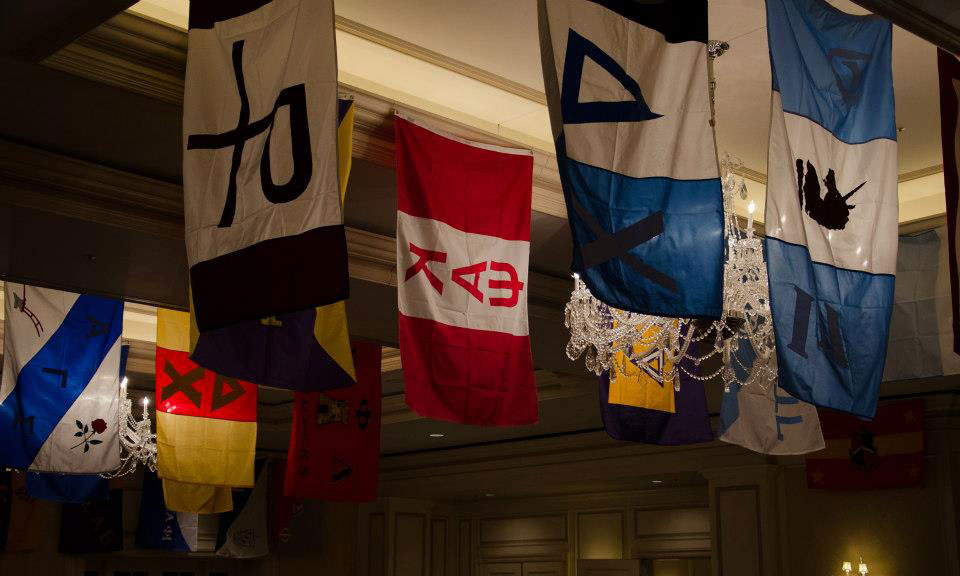
(photo via NIC’s Facebook page)

Comments
Comments are for ASAE members. Learn more about comments on this site.
Log in to your member account or join ASAE!