
Donald Sterling: What a Leader’s Missteps Can Mean for Employees
With Los Angeles Clippers owner Donald Sterling banned for life from the NBA, the team’s players have actively distanced themselves from the embattled exec. The high-profile controversy highlights the choices facing employees when a leader veers far from an organization’s values.
Heads up: this content is over 5 years old, so some information may be out of date.

As players for the National Basketball Association’s Los Angeles Clippers warmed up for their playoff game on Sunday, they used the opportunity to stage a silent protest (opens in a new tab) against the racist remarks made by their club’s owner, Donald Sterling. Players wore their pregame t-shirts inside out to hide the team’s logo and donned black wristbands and socks during the game.
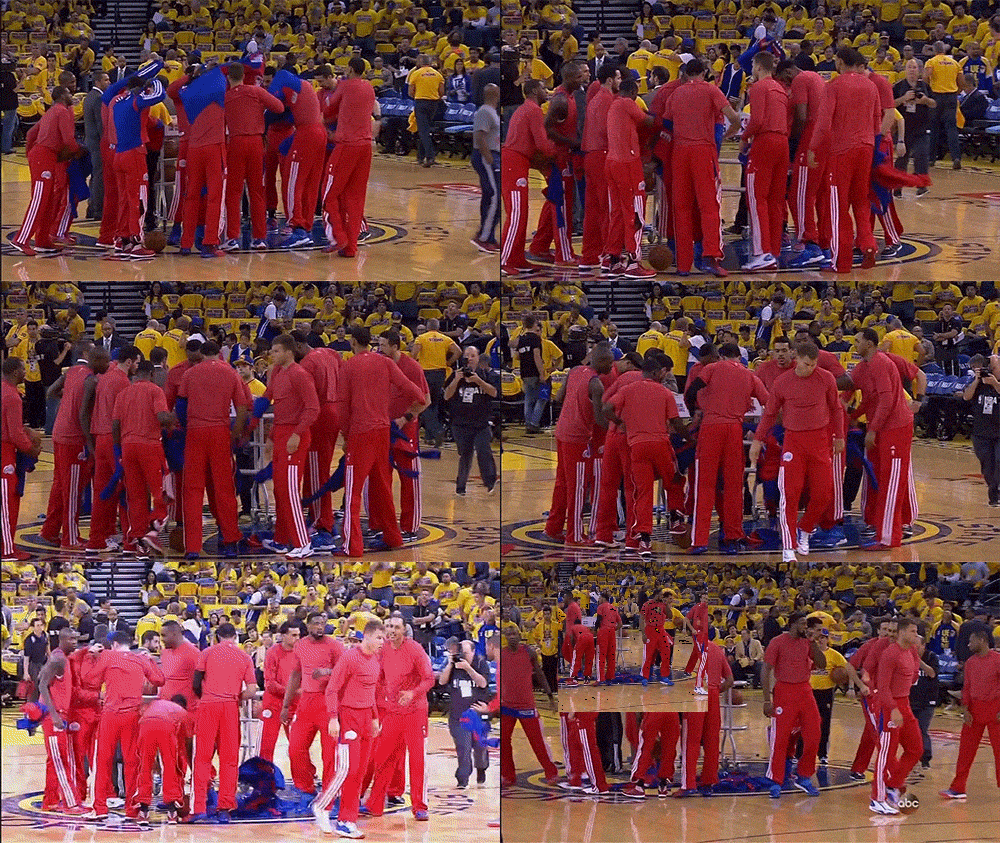
In their minds, it was the least they could do to take a stand against their “chief executive,” who was banned for life from the game of basketball (opens in a new tab) by NBA Commissioner Adam Silver on Tuesday, a move that was almost universally applauded in the basketball community (opens in a new tab). Silver also said he expects the full support of the league’s 29 other principal owners in forcing Sterling to sell the team.
The situation—which is likely far from over—may provide an extreme example in a high-profile industry, but it begs the question: What’s a an employee or, collectively, a staff to do when their CEO goes off the deep end?
“First of all, it’s the board’s responsibility make the decision to discipline a CEO that is running rogue,” said Peggy Hoffman, CAE, president of Mariner Management and Marketing, LLC. “Having said that, from the employee’s perspective, in most instances they’re going to step back and make the assessment of, ‘Where does my paycheck come from?’ and, based on that, they’re going to simply back away and be silent.”
As long as the executive’s conduct is not detrimental to the organization’s mission—it doesn’t involve a crime or offensive statements like the ones Sterling made—silence is all right, but so is distancing yourself from the behavior of the executive, Hoffman said. That way, “if members see you or the board sees you, it’s clear that you don’t hold those same opinions.”
“In most cases, things that our CEOs are going to do won’t rise to that level,” she said. “But if it reached that line, I would want to make sure that people publicly knew where my line in the sand was. I feel in my heart that I would have to go out on my Twitter stream and I would have to make a public statement that that is not me, just because I would not want that shine to be on me at all.”
Effective organizations have policies and procedures in place that provide an individual with the steps necessary to report unethical behavior, said Hoffman.
“Whether you are the receptionist or you are the program manager or you are the number-two, if somebody is working counter to the code of ethics of the organization you ought to follow whatever your whistleblower policy is regarding making the appropriate statements to see that the right actions happen,” she said.
Barely one-third of associations have a written whistleblower policy, according to ASAE data based on 2010 filings of IRS Form 990 by membership associations. So what are employees at the other two-thirds of organizations supposed to do?
“I think that this is a delicate matter, and it’ll depend on the culture of the organization,” Hoffman said. “But I have seen instances where people have gone or the number-two person has gone and had a private conversation with someone on the board directly. I have a hard time with this notion that the only person that can talk to the board is the CEO, because what if the CEO is the problem? In some organizations that idea would be verboten, but to me it’s a cultural thing.”
If all else fails and an employee still feels uncomfortable in the situation, Hoffman said, the best option might be to walk away.
“If you can’t work with someone, if there’s a respect issue and you really need to get some changes done, or if there’s a behavior in the organization that you don’t like, I do think that voting with your feet is the best thing for any particular individual,” she said. “Sometimes all you can do is take care of yourself. And I would love to hope that if there was a mass exodus of staff at an organization, the board would start to pay attention.”
(photo by Keith Allison/Flickr)

Comments
Comments are for ASAE members. Learn more about comments on this site.
Log in to your member account or join ASAE!