
Responsible Down Standard: Textile Trade Group Gets Down With Ethics
With outerwear brand The North Face leading the way, Textile Exchange is helping to encourage the use of feathers from geese treated ethically.
Heads up: this content is over 5 years old, so some information may be out of date.
It’s a lofty goal: One of the the biggest outerwear brands in the world wants to ensure the ethical treatment of birds that supply the down feathers in its products. And an industry group is working to help the company reach that goal.
The North Face clothing brand was criticized (opens in a new tab) after a 2012 animal rights report surfaced saying that its down-filled coats contained feathers from geese in Hungary that were being force-fed and live-plucked. The company took the report to heart, promising that it would raise its standards (opens in a new tab) to improve sourcing. (GreenBiz notes (opens in a new tab) that The North Face and its competitor Patagonia had been assured that the supplier did not use the controversial practices.)
The North Face set out to develop a Responsible Down Standard (opens in a new tab), a third-party ethical auditing system, toward the goal of ensuring (opens in a new tab) that, by 2017, 100 percent of the down contained in its products will be certified as responsibly sourced. While the effort began with the outerwear brand, its suppliers, and Control Union Certifications (opens in a new tab), they eventually handed the standard over to the industry trade group Textile Exchange to benefit other firms.
“This provides a resource to the entire industry with the goal of improving the welfare of animals and increasing the traceability of down on a global level,” Textile Exchange said in a document (opens in a new tab) [PDF] outlining the standard. “It also ensures the future maintenance and integrity of the standard.”
Taking Responsibility
The Responsible Down Standard isn’t the only way the industry is working to avoid the animal rights issues related to down. In response to animal cruelty claims, Patagonia stopped using feathers from gray geese. They are often raised to produce the fattened-liver delicacy foie gras, which can encourage force-feeding. The company also switched to a Polish supplier that takes feathers from geese only after they’ve been slaughtered.
The North Face also has focused on creating synthetics that have many features of down but avoid some of its disadvantages. ThermoBall, shown in the video above, keeps much of its ability to insulate when wet—something that can’t be said of down. The technology was hailed by People for the Ethical Treatment of Animals.
“We love that The North Face is marketing it as ‘a new alternative to down,’” PETA said (opens in a new tab) in awarding The North Face its inaugural Innovator for Animals Award in January.
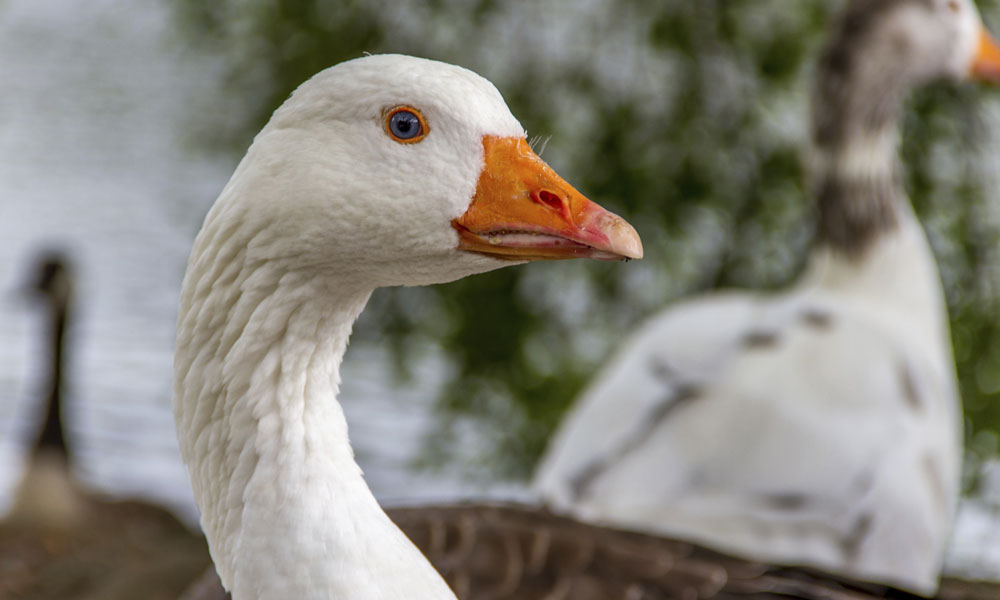
While The North Face created ethical standards, Patagonia switched to white geese, which aren’t used to make foie gras. (iStock/Thinkstock)

Comments
Comments are for ASAE members. Learn more about comments on this site.
Log in to your member account or join ASAE!