
Don’t Try This at Home: Orthodontists Warn Against Home Remedies
Officials with the American Association of Orthodontists are strongly recommending that the public skip treatment advice on the internet—because, if it goes wrong, the risks can be very high.
Heads up: this content is over 5 years old, so some information may be out of date.
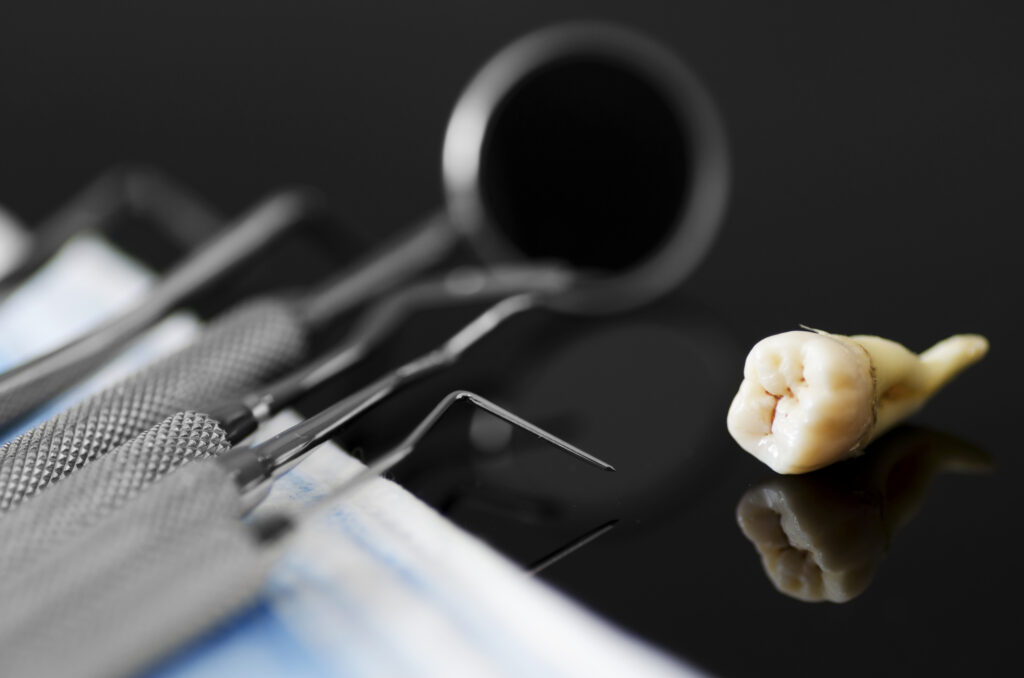
If you’re, say, building a piece of furniture or working on an art project, the do-it-yourself ethos of the Maker Movement makes a lot of sense.
One place it doesn’t make sense? Your mouth—your teeth, to be exact.
In recent weeks, the American Association of Orthodontists has put out multiple alerts warning the public about the dangers of taking a DIY approach to tooth care—specifically when it comes to straightening teeth.
“Among the ‘quick fix’ offerings are rubber bands promoted to close a gap between teeth. These products can be a waste of consumers’ money,” AAO warned in a consumer alert released last month (opens in a new tab). “At the worst, they can cause extensive damage to teeth, bone, and soft tissue that could require expensive and extensive restoration by a multidisciplinary team of specialists.”
The association issued the alert in response to the rise of a series of YouTube videos (opens in a new tab) demonstrating how people can take orthodontic care into their own hands. Adding to the concern are products like “gap bands” that are sold online and pitched as alternatives to braces.
According to The New York Times (opens in a new tab), after watching an online video in which a teenage girl recommends using elastic bands to pull in teeth, Dr. Rolf G. Behrents, editor-in-chief of AAO’s American Journal of Orthodontics and Dentofacial Orthopedics, published an editorial warning that many consumers don’t know the risks.
“Because of the risks involved, it would [be] beneficial for consumers to be properly informed about the benefits and risks of any self-treatment situation such as this,” Behrents wrote (opens in a new tab) [PDF]. “Or consumers could seek the information they need from a practitioner who has the knowledge, skill, and experience to know what is safe and what is not.”
Teeth-Fixing by Mail?
The DIY approach isn’t the only risk that orthodontists are raising alarms over. While teeth-straightening products such as Invisalign have become popular, some consumers find the costly office visits that go with the treatment a little much. As a result, online and mail-order competitors have risen in popularity.
With products like SmileCareClub and CrystalBraces, patients are assisted by doctors who work remotely and save consumers the cost of office visits.
Behrents took issue with this kind of treatment as well. “Our concern is that patients who don’t see an orthodontist for regular checkups and/or for a complete diagnosis are more likely to be harmed,” he told the Times (opens in a new tab).
CrystalBraces founder Dr. Son Tran disputed concerns about quality and said he’s worked with more than 3,000 patients since launching the service in 2013. “I’m looking at all the models and trays coming in,” he told the Times. “Quality of care is upheld through the whole proceedings.”
(milosljubicic/ThinkStock)

Comments
Comments are for ASAE members. Learn more about comments on this site.
Log in to your member account or join ASAE!