
Article Operations 3 min read
Supply Chain: Labor Tensions Cause Port Headaches for Retail Sector
A backed-up supply chain on the West Coast—rooted in a union conflict between longshoremen and port terminal operators—could cause dire effects on the retail and manufacturing industries, groups say. Already, the issues have led to a two-day work stoppage.
Heads up: this content is over 5 years old, so some information may be out of date.
Editor’s note: This story has been updated.
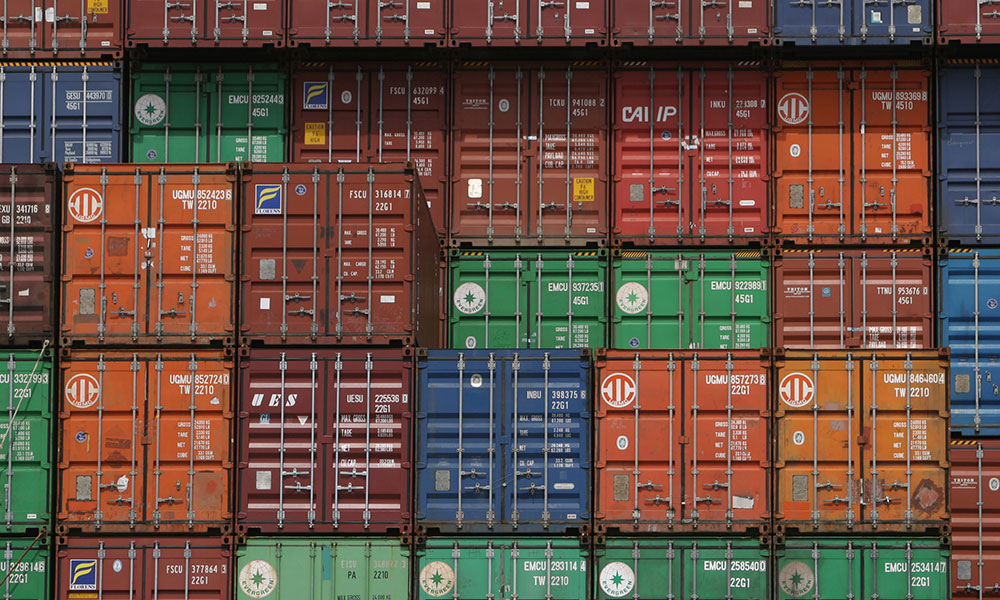
This past weekend, the pain points for much of the retail industry weren’t anywhere near the stores. Instead, they were centered squarely at the 29 West Coast shipping ports that handle roughly half of U.S. maritime trade.
And things aren’t looking much better for the coming holiday weekend.
The source of the trouble is an ongoing labor battle between the International Longshore and Warehouse Union (ILWU), which represents dockworkers, and the Pacific Maritime Association (PMA), which represents port operators and shipping companies that have West Coast operations.
Since October, disruptions in port operations have caused supply-chain ripple effects throughout the U.S. retail industry. ILWU members have been working without a contract since June 30, and for months, the two sides have been locked in tough negotiations.
PMA says the union has deliberately slowed work at the ports to gain leverage in negotiations; ILWU denies that claim and suggests that the bottlenecks have been caused by recent changes in shipping procedures implemented by the companies, Reuters reports (opens in a new tab).
The issue came to a head last weekend when shipping firms stopped loading and unloading ships at several ports, claiming the suspension was necessary because of heavy congestion on the docks. The ports reopened on Monday. But on Wednesday, PMA announced it would suspend vessel operations (opens in a new tab) [PDF] again on Thursday, Saturday, Sunday, and Monday.
The current conflict isn’t unique, nor is it the worst example of a supply-chain hiccup involving ports. In 2002, after a 10-day work stoppage at the ports, President George W. Bush invoked the 1947 Taft-Hartley Act, obtaining a court order that required the two sides to continue work. A shipping consultant told The Los Angeles Times (opens in a new tab) that the stoppage was so painful that it took 100 days for ports on the West Coast to resume normal operations.
The Obama administration is keeping a close eye on the current situation but is not getting directly involved, White House spokesman Frank Benenati told the Times.
“This dispute is up to the two parties to resolve at the bargaining table, and we urge them to do so as expeditiously as possible,” Benenati said.
Ripple Effects
Industry groups, including the National Retail Federation and the National Association of Manufacturers, are warning that a full-scale shutdown could prove costly for the U.S. economy.
“Enough is enough,” NRF said in a statement (opens in a new tab) last week. “The escalating rhetoric, the threats, the dueling press releases, and the inability to find common ground between the two sides are simply driving up the cost of products, jeopardizing American jobs, and threatening the long-term viability of businesses large and small.”
In the wake of Wednesday’s news that vessel operations would be suspended for a second consecutive weekend, NRF asked the Obama administration to intervene.
“It’s time for the White House to immediately engage in this critically important economic priority and force the two sides to remain at the negotiating table until a deal is done,” NRF Vice President for Supply Chain Jonathan Gold said in a statement (opens in a new tab). “The time for monitoring has passed. The time for action has come.”
Organizations as diverse as California Citrus Mutual (opens in a new tab) and the Footwear Distributors and Retailers Association (opens in a new tab) have suggested that the effects of the supply-chain disruptions could be dire.
“Almost 100 percent of the shoes sold in the U.S. are imported,” FDRA President Matt Priest told Footwear News. “To bring in product efficiently and effectively is something that sustains so many jobs in our industry. When you take away the efficiency of a key tool we use to get product to our consumers, then it’s very challenging.”
(iStock/Thinkstock)

Comments
Comments are for ASAE members. Learn more about comments on this site.
Log in to your member account or join ASAE!