
CTIA Paves Way for Mobile Phone-Unlocking Law to Take Effect
With the wireless industry setting the rules of the road for the process, a recently passed law now allows wireless customers to unlock their phones, letting them switch providers without paying a fee.
Heads up: this content is over 5 years old, so some information may be out of date.
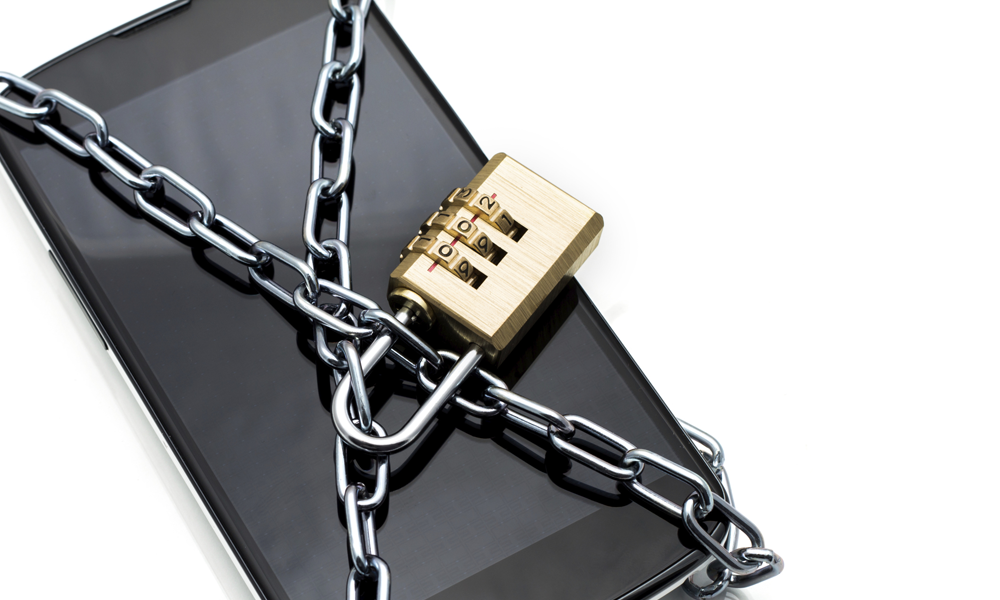
For years, consumers were “locked” into commitments with the wireless carriers that sold them their cellphones and tablets.
But as of Wednesday, consumers have the freedom to unlock (opens in a new tab) their mobile devices, without facing penalties should they move to another carrier’s network.
The law is now fully in effect after years of back and forth between the federal government and the wireless industry, thanks to the efforts of consumer advocacy groups and CTIA: The Wireless Association (opens in a new tab), a trade organization representing wireless communications companies.
A Library of Congress decision (opens in a new tab) in 2012 made cellphone unlocking a violation of the Digital Millennium Copyright Act (opens in a new tab), but the Unlocking Consumer Choice and Wireless Competition Act (opens in a new tab), signed by President Obama last August, repealed that ruling.
In December 2013, Federal Communications Commission (FCC) Chairman Tom Wheeler, a former president and CEO of CTIA, asked the association to create voluntary guidelines for carriers to unlock devices. Those guidelines helped shape the new standards.
How it Works
The unlocking process varies by provider, but the same basic rules apply to all carriers.
CTIA’s Consumer Code for Wireless Service (opens in a new tab) mandates that carriers, for example, must unlock devices at a customer’s request, as long as the customer has paid the entirety of his or her service contract before switching to another provider. Carriers have two days after receiving a request to unlock a customer’s device, or they need to supply an explanation for why a request is denied.
Carriers also cannot charge a fee for the unlocking service for a current or former customer, but a fee might apply for noncustomers.
As part of CTIA’s code, carriers must also make their unlocking policies clear and post them on their websites and alert people when their devices are eligible for unlocking.
(baloon111/ThinkStock)

Comments
Comments are for ASAE members. Learn more about comments on this site.
Log in to your member account or join ASAE!