
Article Business Development 2 min read
IDEX: U.S. Military Looks to Boost Conference Presence Overseas
After a period in which international and domestic conferences alike were off-limits for Defense Department employees, a top Pentagon official says the agency is ready to commit more resources to overseas conferences.
Heads up: this content is over 5 years old, so some information may be out of date.
Fittingly, word that the Pentagon is ready to expand the number of employees attending conferences came from a far-flung quarter of the world.
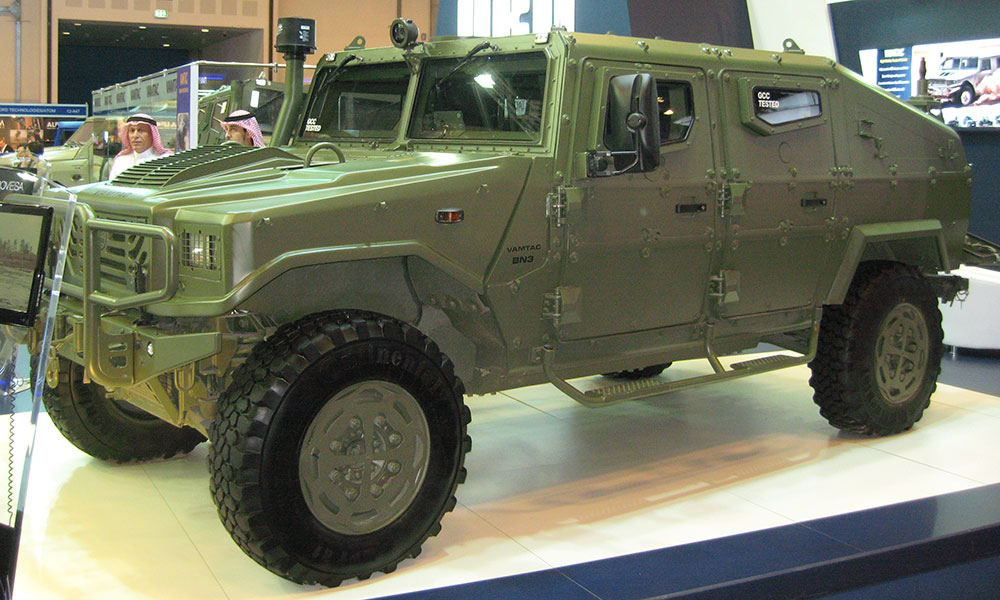
That news came over the weekend from the United Arab Emirates, where defense departments from around the globe were taking part in the International Defence Exhibition & Conference (opens in a new tab) (IDEX), the only conference of its kind in the Middle East, being held Sunday through Thursday in Abu Dhabi.
Speaking to Defense One, Pentagon acquisition executive Frank Kendall (opens in a new tab) said the Defense Department will have more of a presence at such shows in the future.
“I came to the conclusion that we were not doing enough in support of these international shows and we ratcheted up our involvement,” Kendall said. “We’re going to continue this participation.”
More than 115 U.S. companies set up shop at the event. They are among about 1,200 companies from 55 countries displaying their military equipment at the show, according to Reuters (opens in a new tab).
Since 2012, the Defense Department, like most other federal agencies, has cut back on conference spending after a scandal involving a lavish 2010 General Services Administration conference in Las Vegas came to light, prompting the Office of Management and Budget to order agencies to significantly reduce travel expenses.
In late 2012, for example, Secretary of the Army John McHugh prohibited Army personnel from attending outside conferences during the last two months of the year. And while the Army has generally granted exceptions for the Association of the U.S. Army’s annual meeting, approval hasn’t always been easy to win. Notably, in 2012, uniformed personnel were kept waiting until a few days before the event.
Declining attendance resulted in a reduction in the number of companies taking part in such events, and industry associations scaled back their tradeshow calendars—in some cases, drastically.
The story was much the same at international events like IDEX, where the U.S. has been known to send lower-ranking officials in recent years—even as high-ranking players from other countries showed up. But the tide could be changing, according to Kendall, who spoke of the need to boost support for companies in the United States that are seeking to sell defense products in international markets at a time when military spending at home is declining.
“The uncertainties about budgets in the U.S. and what’s going to happen to industry as a result of that, we need to do what we can to support U.S. industry,” Kendall told Defense One. “I’m happy to do it.”
A URO VAMTAC vehicle on display at the IDEX 2013 conference in Abu Dhabi. (Wikimedia Commons)

Comments
Comments are for ASAE members. Learn more about comments on this site.
Log in to your member account or join ASAE!