
Article Marketing / Communications 2 min read
Research in Hand, Chemistry Council Says BPA Is Worth Fighting For
A new ad campaign by the American Chemistry Council highlights recent research by government agencies showing that bisphenol A (BPA), a controversial chemical used in plastics, is safe—not toxic—in most uses.
Heads up: this content is over 5 years old, so some information may be out of date.
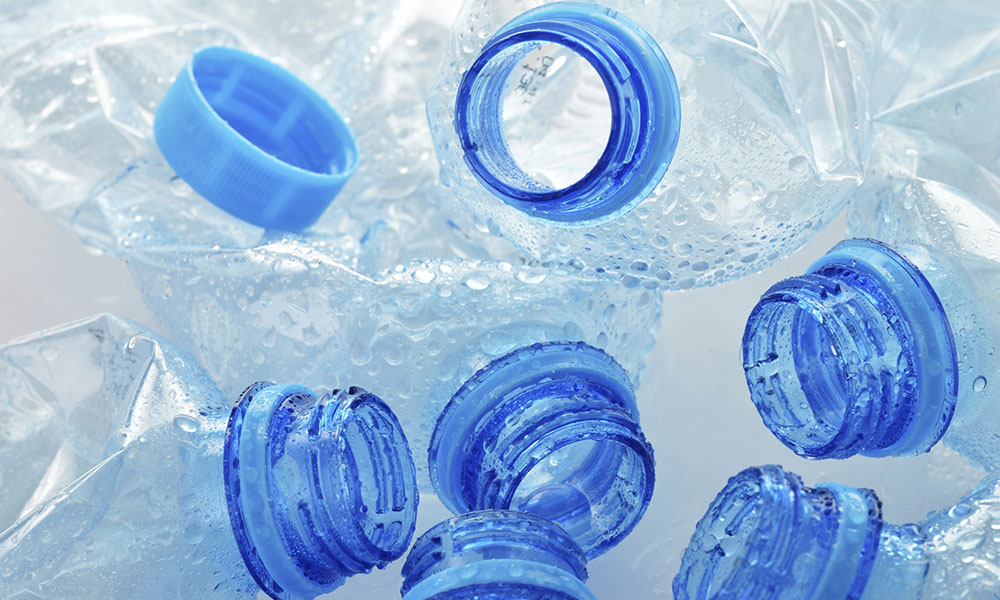
A new ad campaign by the American Chemistry Council highlights recent research by government agencies showing that bisphenol A (BPA), a controversial chemical used in plastics, is safe in most uses.
The American Chemistry Council (ACC) has an uphill battle on its hands, and it’s pulling out the ammo.
The chemical-and-plastics-industry group has begun a public education campaign to ease consumer fears about a controversial chemical used in many plastics: bisphenol A, or BPA. The chemical’s use in baby bottles—which is banned in the U.S., Canada, and the European Union—has been of particular concern to the public.
But backed by a recent study by the European Food Safety Authority (EFSA) and official comments by the U.S. Food and Drug Administration (FDA), ACC last month ran ads (opens in a new tab) in two major U.S. newspapers (USA Today and The Wall Street Journal), as well as on health and news websites, emphasizing that BPA is safe and that consumers shouldn’t be afraid to use plastics containing the chemical.
Here’s what the regulatory bodies say:
The EFSA study, released in January, found that “BPA poses no health risk to consumers of any age group (including unborn children, infants, and adolescents) at current exposure levels.” The study’s analysis of BPA in food containers was based on more data than in a 2006 study that hinted at more serious risks from exposure to the chemical in certain products. “As a result, we now know that dietary exposure is four to 15 times lower than previously estimated by EFSA, depending on the age group,” panel member Dr. Trine Husøy said in a statement (opens in a new tab).
The FDA website, in an FAQ section about BPA (opens in a new tab), says this in response to the question about whether the chemical is safe: “Yes. Based on FDA’s ongoing safety review of scientific evidence, the available information continues to support the safety of BPA for the currently approved uses in food containers and packaging. People are exposed to low levels of BPA because, like many packaging components, very small amounts of BPA may migrate from the food packaging into foods or beverages.”
The EFSA study and FDA statement buck smaller health analyses from the academic world that have linked BPA to autism (opens in a new tab) and other health issues. A Newsweek piece from last week put the safety issue bluntly: “BPA Is Fine, If You Ignore Most Studies About It (opens in a new tab).”
ACC noted that the scope of the EFSA research goes far beyond that of any of the individual studies.
“While news outlets continue to cover small studies claiming various health effects of BPA, this expert panel review is comprehensive and inclusive, covering more than 450 studies reviewed by scientific experts for relevance and rigor,” said Steven G. Hentges, Ph.D. (opens in a new tab), of ACC’s Polycarbonate/BPA Global Group.
ACC promotes its safety message through a site called Facts About BPA (opens in a new tab), which highlights research and “high performance benefits (opens in a new tab)” of the chemical in industrial and consumer products.
(iStock/Thinkstock)

Comments
Comments are for ASAE members. Learn more about comments on this site.
Log in to your member account or join ASAE!