
For Auto Cybersecurity, the Cavalry Has Arrived
As the rapid computerization of cars and other devices goes hand in hand with the rise of cybersecurity risks, industry leaders are moving to create solutions before those risks lead to major problems.
Heads up: this content is over 5 years old, so some information may be out of date.
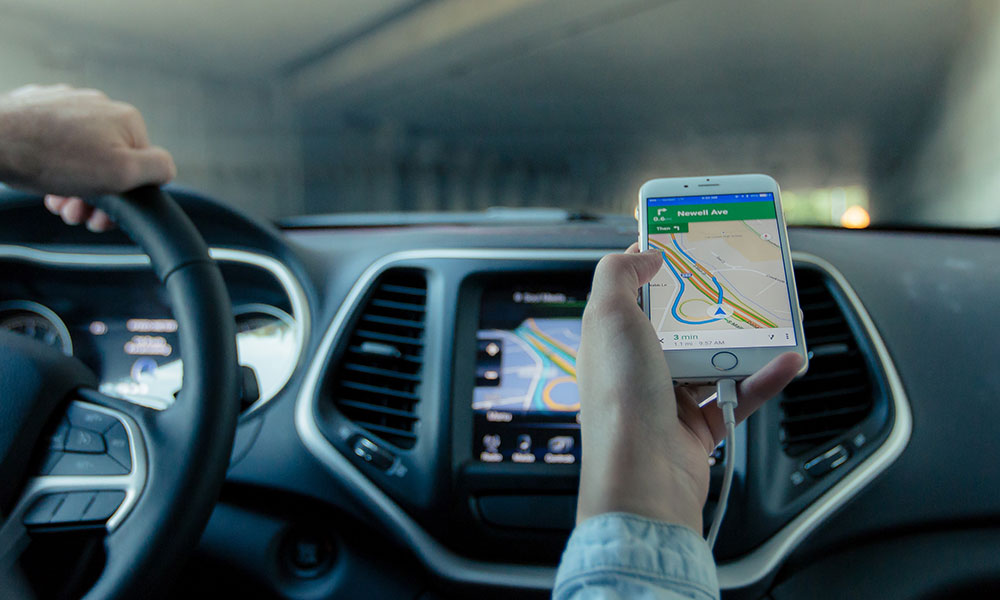
New cars are no longer just a mix of gears, pistons, and other machinery. They’re computerized vehicles, benefiting from the processing power under the hood. But with that comes a need for cybersecurity.
To address that need, an advocacy group called I Am the Cavalry (opens in a new tab)—with members from the technology and auto spaces, including the Society of Automotive Engineers—is calling on stakeholders from across the auto sector and beyond to adhere to the “Five Star Automotive Safety Framework.”
As presented by cofounder Josh Corman at the Security of Things Forum (opens in a new tab) on Monday, the group’s framework is built on five principles:
- safety from the design phase
- third-party testing of systems without legal risks
- data-gathering devices to collect forensic information
- software updates
- isolation of critical systems from other vehicle functions
To advance these principles, I Am the Cavalry has joined with computing giant Intel (opens in a new tab) to form the Automotive Security Review Board (opens in a new tab), which was announced Sunday.
“We can, and must, raise the bar against cyberattacks in automobiles. With the help of the ASRB, Intel can establish security best practices and encourage that cybersecurity is an essential ingredient in the design of every connected car,” Intel Security Senior Vice President and General Manager Chris Young said in a statement (opens in a new tab).
To provide more immediate details to automotive and cybersecurity stakeholders, Intel Security released a white paper on best practices for “the next-generation car (opens in a new tab)” [PDF].
The report stresses improved communication between manufacturers in order to institute best practices, focusing on vehicle design and—in a new wrinkle for the auto industry—an awareness of the risks to vehicles after they leave the lot.
“Threat analysis and risk assessment continues throughout the life of the car as old vulnerabilities are patched and new ones come to light, so the risk of attack can even increase with time,” the report notes (opens in a new tab).
a Connected Future
These announcements follow an increasing awareness about the security measures (or lack thereof) installed in modern cars. In July, Wired reporter Andy Greenberg exposed (opens in a new tab) a vulnerability that allowed Chrysler cars using Uconnect software to be hijacked, prompting the automaker to recall 1.4 million vehicles (opens in a new tab). In May, House Energy and Commerce Committee leaders requested detailed information on automotive cybersecurity from 17 manufacturers and the National Highway Traffic Safety Administration.
“Connected cars and advancements in vehicle technology present a tremendous opportunity for economic innovation, consumer convenience, and public health and safety,” committee members wrote in a letter (opens in a new tab) to the automakers and NHTSA. “These benefits, however, depend on consumer confidence in the safety and reliability of these technologies.”
And as I Am the Cavalry notes in its mission statement (opens in a new tab), the risks of these technologies stretch beyond the world’s highways. The rapid adoption of interconnected tech in the medical field, public infrastructure, and households presents a series of unique challenges that will soon face multiple industries, advocacy groups, regulators, and consumers.
(Nirzar Pangarkar/ThinkStock)

Comments
Comments are for ASAE members. Learn more about comments on this site.
Log in to your member account or join ASAE!