
Article Marketing / Communications 2 min read
Wednesday Buzz: Why Remote Work Is Here to Stay
An in-depth look into the history of labor and the efficiency of remote work builds the case for working from home. Plus: the information you need to debunk email myths.
Heads up: this content is over 5 years old, so some information may be out of date.

“Even a cursory look at the social, environmental, and economic impacts of working from home indicates that even more people could and should be,” reporter Alana Massey contends in a story for the Pacific Standard (opens in a new tab).
We’ve talked quite a bit about remote work lately, but Massey offers a detailed assessment of the factors driving workers out of traditional office space, including the cost savings, the reduction in attrition rates, and a more positive attitude.
And beyond the stats and reports on higher productivity and the inefficiency of office space, Massey points out remote work isn’t just about new scenery, but it comes as part of a shift to accommodate alternative work practices.
“The solution to obsolete office spaces does not require wholesale abandonment of the office but increased flexibility about what it means to be an employee,” she writes.
And for those who think the nine-to-five office culture is too ingrained to ever change, Massey recalls a time when cubicles and hierarchical offices weren’t the norm.
“Though nine-to-five office jobs feel like a permanent and inevitable state of affairs for the labor force, the very concept of ‘the office’ is mostly a 20th-century invention that was necessitated by white-collar jobs outnumbering blue-collar ones in the United States for the first time in 1956,” she writes.
Chart of the Day
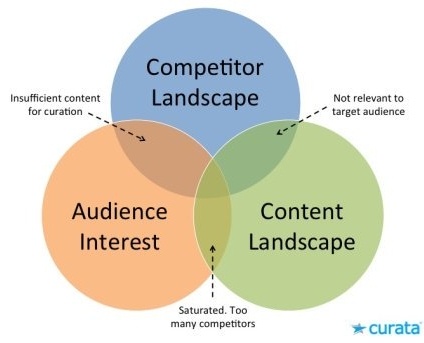
How should you focus your content-curation efforts? Michael Gerard, chief marketing officer at Curata, explains in a post on MarketingProfs (opens in a new tab) the three main factors to keep in mind when determining your strategy.
Other Good Reads
It’s time to conquer the myths that are burdening your organization’s email communications. In the latest episode of Beth Brodovsky’s Driving Participation podcast (opens in a new tab), Jeremy Koch, chief empowerment officer of Empower Nonprofits (opens in a new tab), explains how.
What happens when the FBI takes on one of the world’s most prominent associations? This lengthy piece from Shaun Assael and Brett Forrest, in ESPN The Magazine (opens in a new tab), explores the battle between FIFA and the FBI over corruption within soccer’s governing body.
To make sure engagement isn’t just a buzzword in your organization, check out this handout (opens in a new tab) that community-building expert Maddie Grant, CAE, has been using in presentations to summarize what engagement really means for the association community.
(Stocksnap)

Comments
Comments are for ASAE members. Learn more about comments on this site.
Log in to your member account or join ASAE!