
FCC’s Robocall Strike Force Faces Tough Challenges
For the past couple of months, some of the largest technology and communications companies in the world have spent much time trying to find ways to mitigate robocalls, and they’re making some progress. The problem? The FCC wants immediate results.
Heads up: this content is over 5 years old, so some information may be out of date.
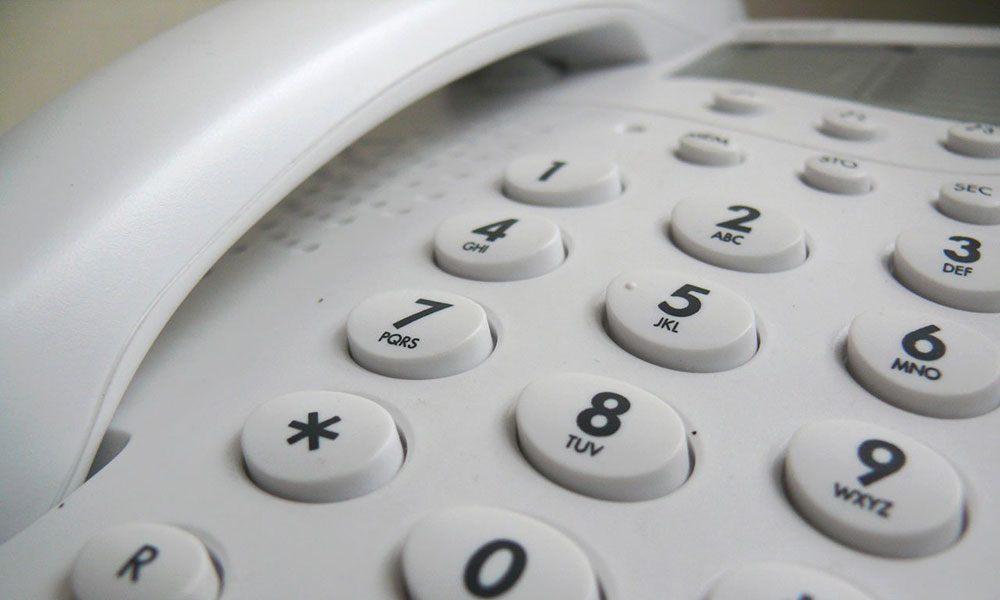
The technology and communications industries are trying to solve a challenging problem, the biggest source of public complaints to the Federal Communications Commission. It’s not easy.
With the FCC’s support, more than 30 firms—including giants like Apple, Google, AT&T, Verizon, and Comcast—have taken part in an industry-backed Robocall Strike Force (opens in a new tab), a 60-day effort to come up with solutions to the problem of nuisance phone calls.
The main finding from the group’s report, released at the end of last month, is that 60 days may not be enough time to tackle a problem as big as robocalls.
“There is no silver bullet to solve the robocalling problem. Fraudulent robocallers constantly change their methods to bypass blocking solutions as they are implemented,” the report states (opens in a new tab) [PDF]. “Like the approach to cyberattacks, our approach to unwanted and illegal robocall blocking needs to be constantly evolving and adapting. The work group solutions were created with this in mind.”
The report highlighted many ideas to mitigate such calls, including Caller ID verification that would block the use of spoofed numbers, and additional authentication for phone calls. As Reuters notes (opens in a new tab), an antispoofing initiative that put Internal Revenue Service phone numbers on a “do not originate” list proved successful in mitigating robocall complaints that involved the tax agency.
A Need for Speed
But the work of the Robocall Strike Force, while helping to right the ship, isn’t showing results as quickly as the FCC would like.
“I don’t think the chairman’s strike force has fully met the mark,” FCC Commissioner Jessica Rosenworcel said in a statement (opens in a new tab) [PDF]. “There are no prizes for participation. But there are rewards for everyone—military families included—if we keep at it, keep working, and get this done.“
The advocacy group Consumers Union, which has led anti-robocalling campaigns for years, agreed that more immediate solutions are needed.
“These efforts are aimed at getting better solutions in the future, but consumers need relief now,” said policy analyst Maureen Mahoney, who spoke to the group’s Consumerist blog (opens in a new tab) .
For his part, AT&T CEO Randall Stephenson, who led the task force, said in comments to FCC Chairman Tom Wheeler that the group was working quickly to come up with solutions.
“[We’ve] come a long way in 60 days and we’ve got a long way to go—I fully recognize that, Mr. Chairman,” Stephenson said, according to the Reuters report. “There’s no one part of this ecosystem that’s going to fix this. So it’s going to take everybody’s cumulative efforts.”
(PublicDomainPhotos/Pixabay)

Comments
Comments are for ASAE members. Learn more about comments on this site.
Log in to your member account or join ASAE!