
Internet of Things Demands Workforce, Learning Changes
During the opening keynote of digitalNow2017, Timothy Chou discussed how the Internet of Things will lead to significant changes to today’s workforce as well as the next one.
Heads up: this content is over 5 years old, so some information may be out of date.
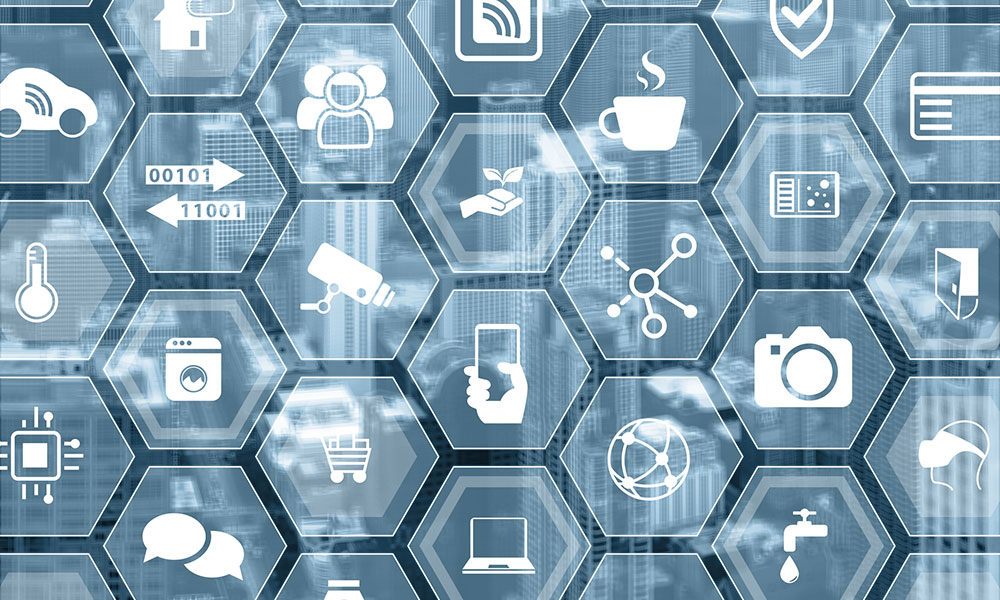
Until now, most technology tools—whether an AMS, CMS, CRM, or e-commerce platform—have been “internet of people” applications designed to talk to humans.
But, as Timothy Chou said during his opening keynote address at digitalNow 2017 (opens in a new tab) in Orlando on Tuesday, “things are not people.”
And that leads to a fundamental question that Chou, a futurist and chairman of Alchemist Accelerator, posed to attendees: “Why would the technology that was built for the internet of people work for the internet of things?”
The short answer: It won’t. And Chou believes “we’re on a next-generation revolution in technology that will require us to solve a whole new set of problems.” In addition to significantly changing technology, the internet of things will lead to upheaval in business models and, most important, the current and future workforce.
“We used to have to be a bunch of generalists. But in a world of 3, 4, 6 billion connected on the internet, work is going to move to the specialists out there,” Chou said. “So I’d get the kids to think about, ‘What is my specialization?’ That is where the value is going to be accrued later.”
As for workers being displaced by advanced technologies and machines, Chou says it will happen at all levels, not just to factory workers and other employees whose jobs are traditionally thought to be most vulnerable to automation.
Because of these shifts, people will need to adapt to a new learning lifecycle. “It’s not about going to school and then working for 40 years. That’s not the pattern,” he said. “What this is going to have to look like is 10-year chunks—two to learn, eight to execute, and then starting all over again.”
Chou acknowledged that associations and other organizations have been talking about lifelong learning for a while now. But he said it’s time for employers to help their employees through this change—and suggested parents do the same for their kids. “We’ve got to get people realizing that this is going to be the future,” he said. “And if you’re not on this learning lifecycle, it’s not going to be easy.”
As the rote stuff is taken over by systems in one form or another, creativity will become even more important, Chou said, and so will the question of whether it can be taught.
“My observation is that if you are sitting there thinking about what might be possible, that’s where the germs of the next generation and new ideas come from,” he said. “If we can teach creativity, then that is going to sit at the core of all the stuff we talk about as innovation.”
To remain relevant and forward-thinking, people and organizations will have to adapt and change.
“Unless we all go move to Mars, we’re going to have to operate a more precise plan,” Chou said. “And I think at the end of the day, the technologies and business and learning models I just talked about stand at the opportunity to go do that.”
(iStock/Thinkstock)

Comments
Comments are for ASAE members. Learn more about comments on this site.
Log in to your member account or join ASAE!