
Article Marketing / Communications 2 min read
Shopping Center Group Helps Members Navigate Industry Disruption
As the retail and shopping mall landscape shifts, the International Council of Shopping Centers is optimistic about the industry’s future and is ensuring members are ready to adapt to changing expectations.
Heads up: this content is over 5 years old, so some information may be out of date.
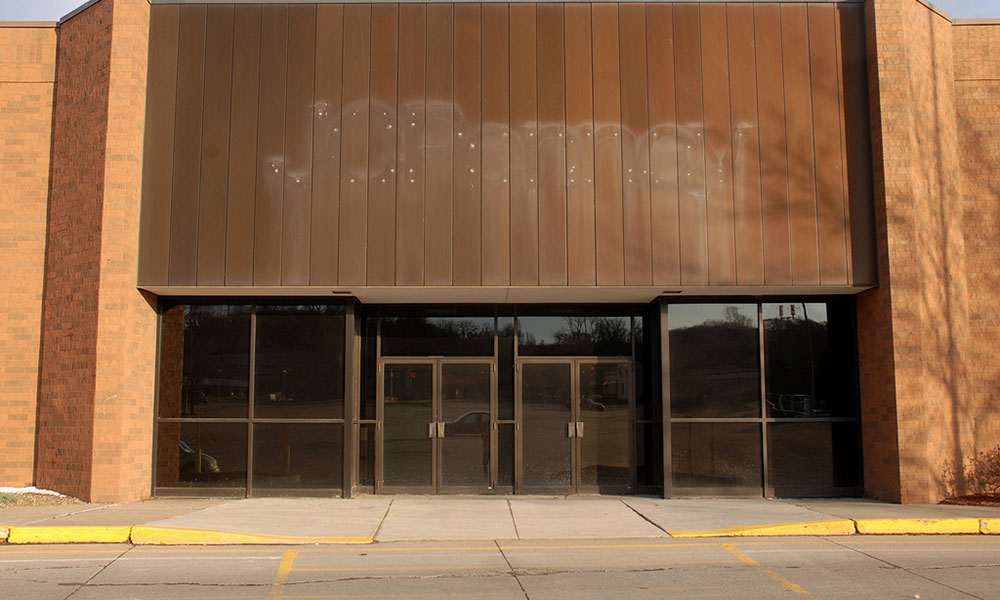
With a number of big name retailers shuttering stores and Credit Suisse predicting 25 percent of malls will close by 2022 (opens in a new tab), there are questions whether shopping centers are becoming a thing of the past. But Tom McGee, president and CEO of the International Council of Shopping Centers, says it’s more a matter of evolution.
“It’s not an industry in my view that has to worry about its future,” he said. “It needs to evolve and continue to evolve, which is what retail always does. I’m actually quite optimistic about this industry.”
McGee recognizes that there are major factors putting pressure on the retail industry, namely technology—which is driving the rise of e-commerce, online retailers, and price transparency—and changes in demographics. As baby boomers age out of their prime consumption years, the smaller Gen X group becomes the main spenders, and millennials come into their prime spending years with different expectations, retailers and shopping areas will have to adjust.
“I think all of those competitive and societal changes are impacting retail,” McGee said. “That being said, I think the industry is still strong; there are still changes that are taking place.” For example, the makeup of many shopping centers is changing (opens in a new tab) with restaurants, fitness or wellness centers, office space, and other entertainment taking the place of traditional retailers—especially as these offerings become more popular among millennials and even empty nesters.
In addition, he argues that as more online retailers or technology companies open stores and more brick-and-mortar retailers leverage the online marketplace, “you will continue to see convergence between technology and physical retail (opens in a new tab). … I think in a couple years we will no longer talk about online versus physical; we’ll just talk about retail. And consumers will just expect to be able to migrate across channels very seamlessly, and the American retail business will adapt to that.”
ICSC has been leveraging its events, education, and media efforts in order to support its 70,000 members through this transition. During its events, ICSC has connected real estate owners and developers, managers, retailers, and tenants to discuss the change. McGee says its series of deal making conferences (opens in a new tab) have been especially helpful as industry changes have introduced new leasing opportunities and needs.
But it’s also used its professional development opportunities, PR and marketing efforts, and advocacy—namely with regards to e-fairness efforts to ensure online retailers are collecting sales tax—to bolster the industry.
“[Retail] is by far the largest source of sales tax throughout the United States, which funds local government, police, and fire. It’s a huge source of property tax revenue and employs one out of every 11 Americans,” McGee said. “… It’s really important that we are actively talking about this industry, particularly when there is change going on and that that change isn’t misinterpreted for a lack of health.”
(fPat Murray/Flickr)

Comments
Comments are for ASAE members. Learn more about comments on this site.
Log in to your member account or join ASAE!