
FDA’s Calorie Labeling Rules Good for Some, Controversial for Others
Although they have been welcomed by the National Restaurant Association and a key vending industry group, new rules requiring that calorie counts be listed on menu items and food packaging have proved controversial in sectors that sell restaurant-style food—but not as their primary business.
Heads up: this content is over 5 years old, so some information may be out of date.
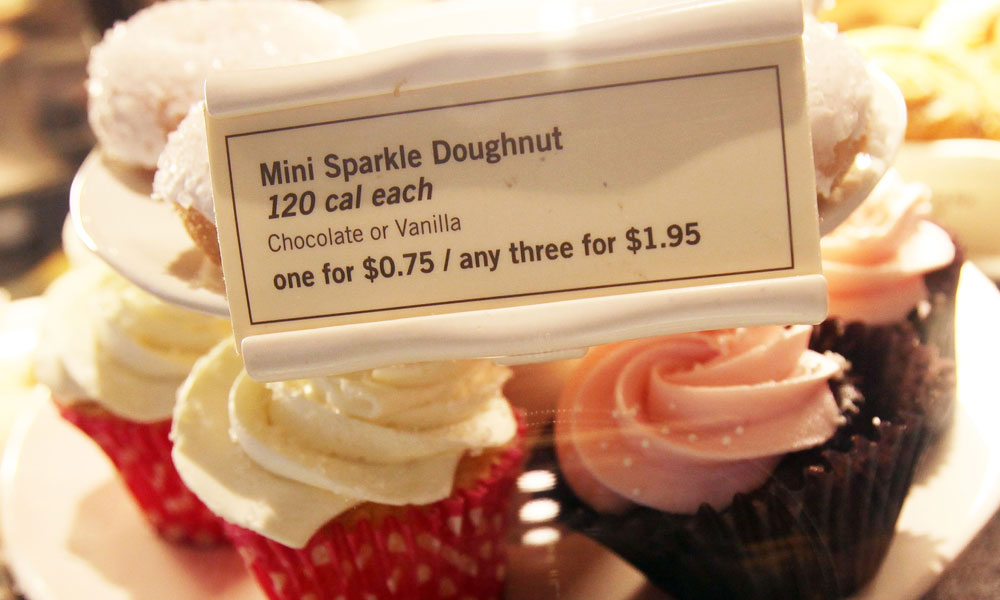
You might rethink your fast-food breakfast if a high calorie count was staring you in the face.
Such is the idea behind a set of new U.S. Food and Drug Administration rules, announced Tuesday, that mandate the listing of calorie counts (opens in a new tab) on menu items at chain restaurants and foods dispensed in vending machines. The rules, required by the Affordable Care Act, affect food establishments with more than 20 locations nationwide. Most regular food items are covered, but seasonal items or daily specials are not.
The move comes after a set of local regulations, instituted first in New York, came into effect over the past decade. Those rules proved controversial at first, but a national policy eventually won the support of trade groups, including the National Restaurant Association, which preferred a uniform approach over a patchwork of state and local laws. In a news release, NRA welcomed the regulations.
“We believe that the Food and Drug Administration has positively addressed the areas of greatest concern with the proposed regulations and is providing the industry with the ability to implement the law in a way that will most benefit consumers,” NRA President and CEO Dawn Sweeney said (opens in a new tab).
The American Beverage Association (opens in a new tab) noted that the announcement “provides consumers nationwide with consistent information about the foods and beverages they consume outside the home.”
And the National Automatic Merchandising Association (NAMA), which represents the vending industry, noted that the FDA appeared to hew closely to the rules the association had proposed.
“The fact that ‘front of pack’ language—similar to what we proposed and what was adopted by the U.S. House Appropriations Committee—was included in the final rules is a solid indication that our industry’s voice was heard,” NAMA President and CEO Carla Balakgie said in a statement [DOCX]. “This is a victory for our vending operator companies.”
stores raise objections
But the open-arms response wasn’t universal in the association space. In a statement of its own, the National Grocers Association expressed frustration with the rules, which initially didn’t cover the grocery industry but now cover prepared foods sold in grocery stores, such as those you might find at Whole Foods or a supermarket deli.
“The scope of the nutrition labeling provision as proposed by Congress was to provide a uniform standard for chain restaurant menu labeling, not grocery stores,” NGA President and CEO Peter J. Larkin said (opens in a new tab). “Grocery stores are not chain restaurants, which is why Congress did not initially include them in the law.”
Likewise, the National Association of Convenience Stores argued (opens in a new tab) that the rules don’t take into account how “other approaches to foodservice are different than restaurants.” NACS threw its support behind the Common Sense Nutrition Disclosure Act, a House bill that would limit the calorie regulations to businesses that derive more than half of their revenue from food prepared onsite.
Advocates: About Time
Meanwhile, nutrition advocates said the move has long been necessary.
The Center for Science in the Public Interest, a key proponent of the rule changes, called the new regulations a major advance for nutrition, especially considering many restaurants serve food with calorie counts that many people would consider unhealthy.
“Menu labeling is the biggest advance in providing nutrition information to consumers since the law that required Nutrition Facts labels on packaged foods was implemented 20 years ago,” Margo Wootan, the group’s nutrition policy director, said in a statement (opens in a new tab). “It will soon seem strange that once it was possible to go into a Chick-fil-A or a Denny’s and not see calories on menus and menu boards. We hope that small chains and independent restaurants provide the same information voluntarily.”
(Mario Tama/Getty Images)

Comments
Comments are for ASAE members. Learn more about comments on this site.
Log in to your member account or join ASAE!