
Article Executive Leadership 6 min read
New CEOs: Are You Ready for the Next Exec?
When a long-tenured CEO leaves, the organization’s board members need to adjust their assumptions and strategies to help the new executive succeed. It requires stepping out of a well-worn comfort zone and refocusing on the path ahead.
Heads up: this content is over 5 years old, so some information may be out of date.
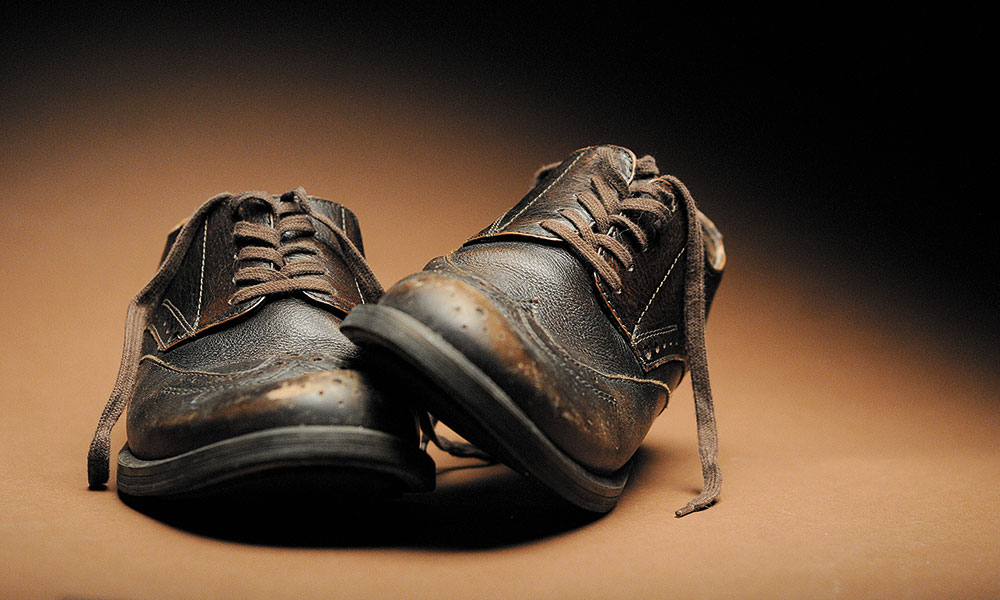
When a long-tenured CEO leaves, the organization’s board members need to adjust their assumptions and strategies to help the new executive succeed. It requires stepping out of a well-worn comfort zone and refocusing on the path ahead.
New CEOs are often told they have big shoes to fill. But the challenge isn’t really about size, of course.
It would be more precise (if perhaps a bit unappealing) to say that a new association executive has old shoes to fill. Association CEOs tend to stay longer than corporate executives, so when there’s a leadership change, boards have often grown accustomed to the previous leader’s ways of doing things—even if those ways were based on outdated assumptions and are inappropriate for the association’s future direction.
For the board, those old shoes fit pretty comfortably. So when a new chief executive arrives with new thinking in tow, the board needs to reset its mental models as well. But many boards don’t. According to a 2014 Bridgespan Group study, nearly half of nonprofit CEOs say their boards didn’t actively participate in the onboarding process (opens in a new tab).
That has consequences. “Anecdotally, it’s pretty common for [a new] executive following a long-tenured executive not to last so long,” says Robert Van Hook, FASAE, CAE, principal and chief transition evangelist at Transition Management Consulting, which assists associations during leadership changes. “Organizations get used to one style of leadership, so they tend to like what they have.”
A successful executive transition, leaders agree, requires close attention by the board to its own vision as much as to the CEO hiring process—and the stamina to continue that work after the new leader has been hired.
For the board, those old shoes fit pretty comfortably. So when a new chief executive arrives with new thinking in tow, the board needs to reset its mental models as well.
Close Contact
When Tad Parker became CEO of Printing Industries of New England in 2012, he had long experience as a printer and had served on PINE’s board, but he was new to association management. That required a lot of getting up to speed, especially since PINE’s previous CEO had been in place for 36 years.
To do that, the board proposed a delicate arrangement: The previous executive would stick around as an interim CEO for a year as Parker got acclimated to the role. Parker says he was grateful for the guidance, but “the downside was that as time moved on, he and I had the inevitable—‘power struggle’ is not the right term, but exchange of authority. I had the authority from day one but didn’t want to offend him as we were moving through it. As we approached the point of transition, I didn’t want to offend him by dismissing him summarily. We both wanted to make it as smooth as possible.”
Ultimately, the co-CEO relationship ended amicably a few months before the year was up. Regular communication with the board was essential during this period, Parker says. “There was sustained communication and contact with the chairman at that time. He was interested in what I needed, if there were problems with the transition plan, and, if so, how could we resolve the hurdles that were ahead of us,” he says.
That flexibility can be rare, Van Hook says, because over time power tends to shift away from the board to the CEO, who has often presided over multiple board transitions. New demands on the board can seem disruptive and confusing when the board has settled into rubber-stamping mode.
“When this person leaves, retires, or whatever, it often means the board—which has not been very active because they’ve relied so much on this wonderful executive they’ve had, who’s helped them through all these years— needs some help itself in getting its confidence together,” he says.
An Awakening
When Chris McEntee, FASAE, CAE, became CEO of the American Geophysical Union in 2010, she replaced a predecessor who had been at AGU for 38 years. The board knew it needed to change, but it also needed to empower its new executive to help it do that. A new governance structure had been drafted, “but it was new on paper,” she says. “The board hadn’t implemented it.”
Looking back, McEntee says the board did a handful of important things to get past its old-school mindset. First, it empowered her to lead the board in thinking strategically, including bringing in an outside governance consultant. They were also strong at articulating “what they valued and what they were open to changing.” Most important, they empowered McEntee to try new ideas and committed to letting her lead on the operational end.
But in retrospect, McEntee says, there was one thing she needed more of at the time: guidance about which personalities she needed to know better as she began her tenure. Board members “know who are some of the people that are good to keep in your camp, if there are people who are skeptical, or if there are people who you should really get to know,” she says. “If you’re a new CEO, a board can help that way.”
Before McEntee’s arrival, “we were clueless as a board,” says AGU president Carol Finn. McEntee’s guidance, she says, has helped the association move forward. But she notes much of its success results from the board establishing clear roles and responsibilities and recognizing its own power.
“There was an awakening that the CEO was not in charge of the organization and not the only one responsible,” Finn says. “We were responsible.”
As more boomer executives prepare to step down, more boards are taking on the challenge of thinking strategically about new leadership. Van Hook says he’s seen more boards pursue “transition readiness planning” to tackle that.
“Ultimately, they have to answer the question, are we ready?” he says. “Is the organization ready to take on a new exec? To answer that question they need to have a pretty good idea of where they’re going. And [they need to ask], what kind of leader do we need next?”
McEntee agrees. “A board, even when it’s thinking of hiring the next CEO, has to find the person that matches the organization’s strategy at that point in time rather than have preconceived notions,” she says. “And they have to be very clear about what they want to preserve and what they want to see changed. And then they have to be able to help guide and coach the new person as they come in but also not overstep their bounds.”
(Noam Galai/Getty Images)

Comments
Comments are for ASAE members. Learn more about comments on this site.
Log in to your member account or join ASAE!