
Supplemental Testing: Natural Products Group Tackles Fraud Claims
With a high-profile attorney general taking aim at the nutritional supplements industry using a controversial type of testing, a key trade group in the sector is planning to do a test of its own—hoping to show that the way to beat “bad science” is through “good science.”
Heads up: this content is over 5 years old, so some information may be out of date.
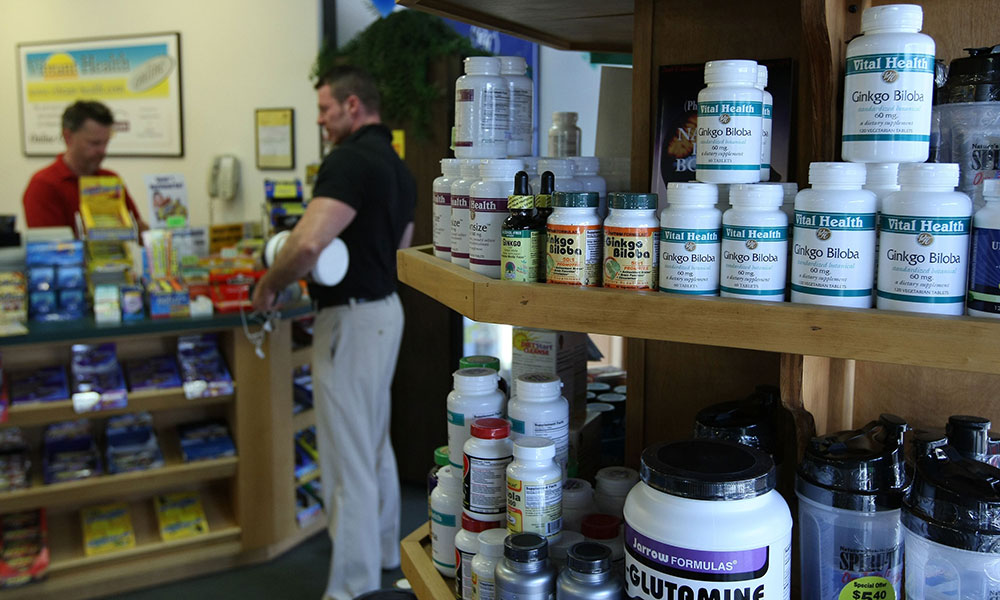
DNA testing is a critical crime-solving tool for law enforcement. But does it make sense to uncover the ingredients in nutritional supplements? Although New York State’s attorney general thinks so, the United Natural Products Alliance (UNPA) says: Not so fast.
As part of an investigation by New York Attorney General Eric Schneiderman’s office, DNA tests were conducted on store-brand herbal supplements to determine whether the products contained the plants listed on the bottle. Overall, only 21 percent contained the listed ingredients, and 79 percent had no labeled content or contained material from other plants. Walmart, in particular, had a poor showing, with just 4 percent of its supplements showing DNA that matched the listed ingredients.
As a result, Schneiderman called on Walmart and three other retailers—Target, Walgreens, and GNC—to stop selling the products and to provide information about how the supplements they sell are produced, processed, and tested. Such supplements are not currently regulated by the U.S. Food and Drug Administration.
“The DNA test results seem to confirm long-standing questions about the herbal supplement industry. Mislabeling, contamination, and false advertising are illegal,” Schneiderman said in a news release (opens in a new tab). “They also pose unacceptable risks to New York families, especially those with allergies to hidden ingredients.”
(If you’re curious about the complete test results, The New York Times has those here (opens in a new tab).)
results challenged
The American Botanical Council was quick to criticize the test results.
“DNA testing seldom is able to properly identify chemically complex herbal extracts as little or no DNA is extracted in many commercial extraction processes,” the association said in a statement (opens in a new tab). “Basing its actions on the basis of only one testing technology from only one laboratory, the NY AG results are preliminary and require further substantiation. Additional testing using microscopic analysis and validated chemical methods should be conducted to confirm the initial results upon which the AG is acting.”
Rather than taking the news—and the related negative publicity—lying down, UNPA plans to do some testing of its own. UNPA President Loren Israelsen said that the group is planning to purchase supplements at stores around the country and will have them tested at up to six certified botanical testing labs.
“They will perform universally accepted methods and procedures to test the products and will independently report their findings, which will be made public,” Israelsen told the Associated Press (opens in a new tab). “We feel the most appropriate response to bad science is good science.”
In comments to Natural Products Insider (opens in a new tab), Israelsen added that the group leaned on its members to assist.
“We issued a call to our members to fan out with the list of the products noted in the AG’s release, to purchase and forward to us those products on the view they may disappear off the shelf quickly and that the ‘evidence’ would disappear,“ he said.
In one case, it’s already too late. Walgreens has removed the supplements from store shelves to comply with Schneiderman’s request and likely won’t allow them to be tested.
(Justin Sullivan/Getty Images)

Comments
Comments are for ASAE members. Learn more about comments on this site.
Log in to your member account or join ASAE!