
Could the iPhone X Pave the Path for Biometrics at the Airport?
With Apple’s new premium phone giving biometrics their most mainstream stage yet, analysts suggest it could help ease public skepticism around the technology—while helping boost security. Others have concerns, however.
Heads up: this content is over 5 years old, so some information may be out of date.
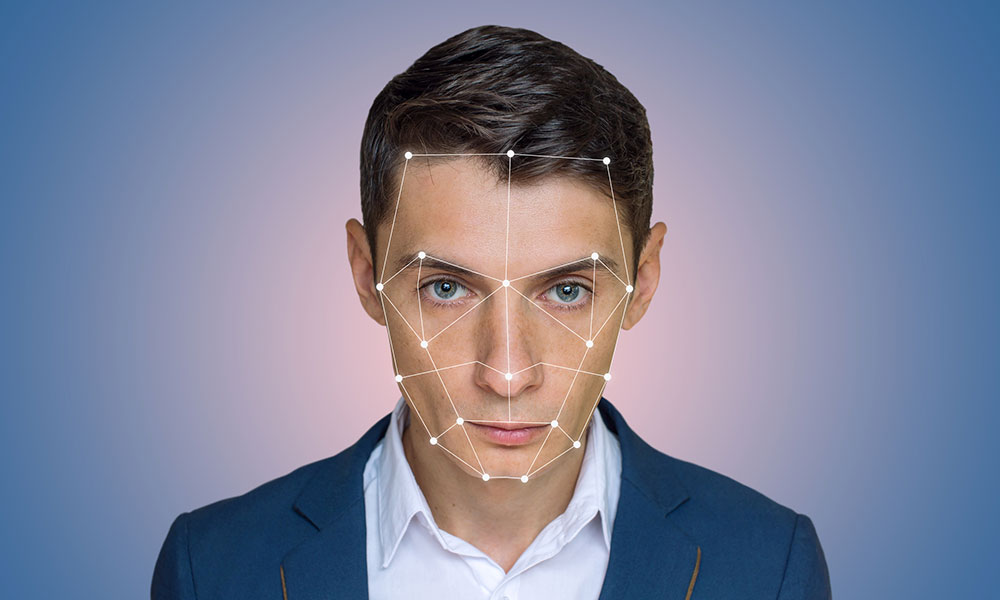
Of the many bells and whistles that Apple showed off at its product release keynote this week, the biggest talker may have been the new face-scanning capabilities of the iPhone X, which replaced the Touch ID technology in earlier iPhones.
Biometrics aren’t completely new, however, and folks who aren’t ready to shell out $1,000 for an iPhone X are most likely see face-scanning technology crop up while they’re traveling. But consumer knowledge of the technology just increased a little bit, and that might be a good thing for its long-term uptake.
A recent Tnooz piece (opens in a new tab) suggests that while the iPhone X on its own won’t change the travel game, it might ease the path for the rollout of biometrics in the travel sector, especially to enhance security. Already, facial recognition tools are being tested by U.S. Customs and Border Protection (opens in a new tab) (CBP) at some international airports in the U.S., and those tools will likely be expanded in the coming years.
Jim Peters, chief technology officer of the travel technology firm SITA, told Tnooz that Apple’s adoption of the technology will eventually increase people’s comfort level with biometrics.
“The new iPhone X will increase the overall awareness … [and] more and more people will be willing to work with systems that are based on facial biometrics,” Peters told the outlet. “They’ll say, ‘Well, my iPhone does it, so why can’t my security on my door do it?’”
Not everyone is convinced, however. According to a recent report from Skift, (opens in a new tab)advocacy groups such as the Center for Democracy & Technology (CDT) and the Electronic Frontier Foundation say the technology is likely to create long-term privacy concerns.
“The way the [CBP] program is described now doesn’t sound too offensive,” said Michelle Richardson, deputy director of CDT’s Freedom, Security, and Technology Project. “But it’s very unlikely that it’s going to stay in this form going forward. For example, as it spreads to other airports, and the collection gets bigger, are you going to see other agencies asking for that information?”
On the other hand, some see the program as a welcome alternative to more stringent restrictions on in-flight electronics. In a recent article on the group’s website (opens in a new tab), Joe Leader, CEO of the Airline Passenger Experience Association, suggested that bans on laptops or other devices on flights could “damage personal freedoms integral to international air travel.”
Whatever the technology’s merits or faults, don’t expect to use a facial scan on your phone to check into your flight anytime soon, SITA’s Peters said in his Tnooz comments.
“Governments are not keen on trusting someone else’s device and someone else’s picture capture to identify their citizens or their visitors,” he said. “That will remain more of a challenge in terms of how the iPhone X function would integrate into the aviation industry.”
(artoleshko/iStock/Getty Images Plus)

Comments
Comments are for ASAE members. Learn more about comments on this site.
Log in to your member account or join ASAE!