
Article Marketing / Communications 4 min read
Could 280 Characters Make Twitter More Valuable for Users?
Twitter’s decision to test longer tweets led to much discussion online—with some in favor, others opposed. Associations that rely on the platform should be aware of what these changes could mean for a fundamental social network.
Heads up: this content is over 5 years old, so some information may be out of date.
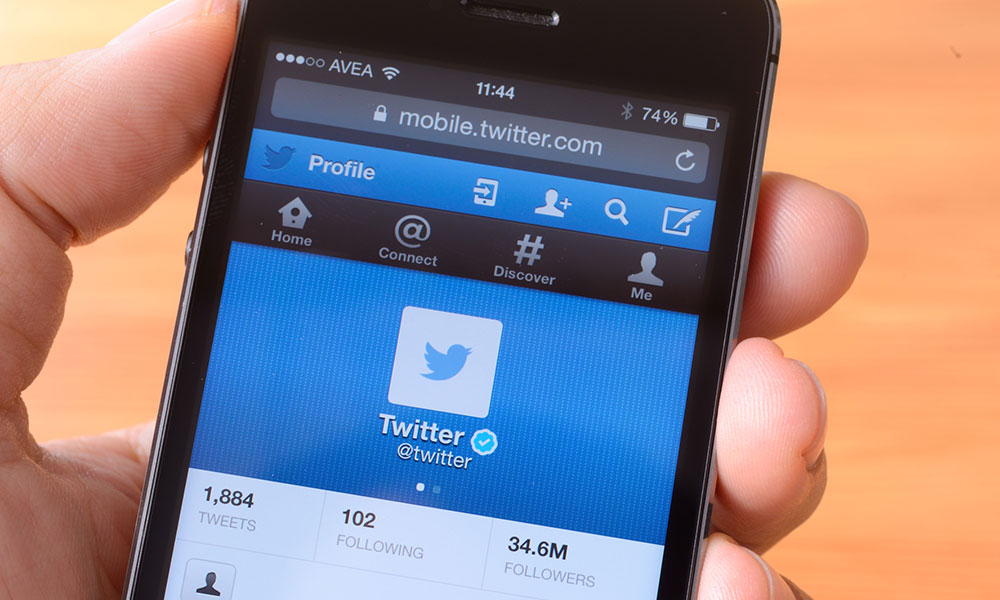
The social network famous for making us speak our minds in 140 characters is giving at least some of us some more room. And it’s worth pondering whether that might or might not make Twitter better.
Founder Jack Dorsey—who famously based his social network (opens in a new tab) on the communication tools used by delivery systems, taxicabs, and emergency services (along with the limitations of the SMS service used for texting)—announced that the network is testing doubling its character count to 280 (opens in a new tab) to help solve the problems posed by the original character limitation.
This is a small change, but a big move for us. 140 was an arbitrary choice based on the 160 character SMS limit. Proud of how thoughtful the team has been in solving a real problem people have when trying to tweet. And at the same time maintaining our brevity, speed, and essence! https://t.co/TuHj51MsTu (opens in a new tab)
— jack (@jack) September 26, 2017 (opens in a new tab)
There are plenty of takes on the change, but this debate is not new. In fact, it dates all the way back to 2011, when tech journalist Farhad Manjoo, then writing for Slate, argued that the character count limited expression in important ways.
“Why do I want more space? Forcing people to shrink their updates to 140 characters prevents meaningful interaction between users, short-circuits conversations, and turns otherwise straightforward thoughts into a bewildering jumble of txtese,” Manjoo wrote (opens in a new tab), citing the example of Sen. Chuck Grassley’s shorthand-laden Twitter feed.
Manjoo’s first tweet in 280 characters, in fact, translated Grassley:
https://twitter.com/fmanjoo/status/913072451579297792
Is this a good thing for communicating on Twitter? A bad thing? A few notable takes on the impact that longer tweets could have:
Leveling the language playing field. Twitter cited the differences between languages as one reason for the shift—specifically, that certain ones, particularly Asian languages, can say more into 140 characters than those that rely on alphabets. Mashable‘s Emma Hinchliffe notes (opens in a new tab) that this is seen as the move’s biggest benefit. For his part, BuzzFeed Japan‘s founding editor, Daisuke Furuta, says that being able to say more hasn’t hurt the network’s usefulness in Japan. “Don’t worry—it’s fine here in the long-tweet future,” he wrote this week (opens in a new tab). “You’ll love it, or at least you’ll only hate it as much as you hate Twitter already.”
Is it really that big a deal? The Atlantic‘s Alexis Madrigal, one of the best-known tech culture writers in the country, says that the 140-character limitation was always arbitrary (opens in a new tab) and that it might be holding Twitter back from some of the company’s larger goals. “My guess is you’ll see very little difference in the platform, and maybe the success of the change will give Twitter the confidence to focus on what really matters: the communities that have gathered on the service,” he writes.
Is this the right problem to solve? More than most other social networks, Twitter has gained a reputation as a haven for trolling and even propaganda. Some critics, like Magic and Loss author Virginia Heffernan, see the increased character counts as ignoring a more important issue. “Right now, when trolls and bots rampage through it, intent on crushing individual spirits and threatening democracy, Twitter might have introduced tighter regulation rather than looser character limits,” she wrote (opens in a new tab). “That would have been nice. And would have sufficed.” Meanwhile, New York Daily News culture writer Constance Gibbs argues that (opens in a new tab) the network should consider an edit function and more aggressive action against political figures who break its rules.
The implications for marketing. Associations often use Twitter for marketing, messaging, and customer service. A piece from AdWeek notes that the longer length will ensure that legal messages get into tweets and that customer service can be better explained, but it could hurt nuance and tone that was perfected around a shorter character count. “For brands, I believe their best use case is around live events and as a tool for customer service,” Crowdtap CEO Matt Britton told the news outlet (opens in a new tab). “I would not recommend that a brand should start writing paragraphs on Twitter just because they can.”
Now, if you ask me, I probably lean closest to Madrigal on the issue, while appreciating that Grassley’s followers will have an easier time reading his tweets.
While Twitter has some bigger fish to fry, this may be an important first step for the company to take toward some of those larger goals—because for one thing, more space may improve clarity and understanding. Some of the network’s biggest problems (the many gaffes it generates) are related to the lack of context. More context could be better down the road.
It’s also worth noting that the Twitter-like social network Mastodon lets you write missives up to 500 characters in length, and it hasn’t really suffered because of it. I’ve been keeping an eye on it, and I can say that the Mastodon community, while small, is vibrant in its own way.
Twitter’s longer character counts might take some getting used to, but if the company ends up extending the change to all users, even the skeptics will likely come to accept it.
If you rely on Twitter within your association, now’s the time to read up.
(hocus-focus/iStock Unreleased/Getty Images Plus)

Comments
Comments are for ASAE members. Learn more about comments on this site.
Log in to your member account or join ASAE!