
Are There Blindspots in Your Sexual Harassment Policies?
Most associations have policies and procedures addressing sexual harassment in the workplace, including codes of conduct and mandatory staff training. But there are a few ways that associations should extend them to prevent legal fallout.
Heads up: this content is over 5 years old, so some information may be out of date.
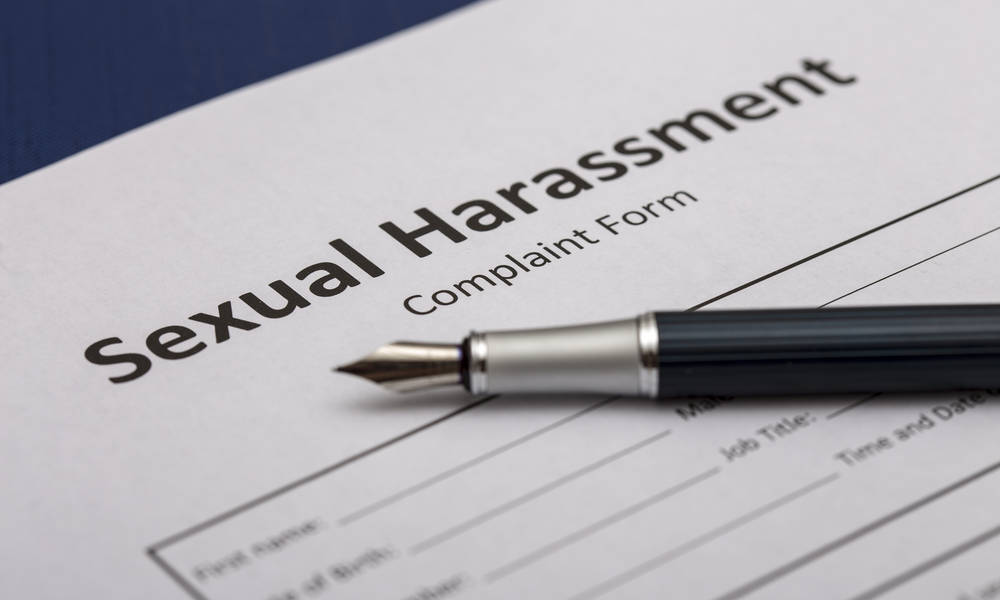
At a time when women are coming forward and reporting sexual misconduct and harassment in the workplace, it’s important that organizations ensure they not only have the proper policies and procedures in place, but that they also are communicating them to their staff.
“Most associations—I hope—have policies in their handbooks that prohibit discrimination and harassment on the basis of a protected status, including sexual harassment,” said Julia E. Judish, special counsel at Pillsbury Winthrop Shaw Pittman LLP, a law firm that advises many associations. “And they have a complaint procedure, so that if there is a violation, usually the employee can bring it to HR. And they prohibit retaliation, and they may or may not do training on it.”
But beyond these basics and working to create safe, harassment-free workplaces, what else can associations do to better protect their employees and limit legal fallout for their organizations? Judish shared three areas to consider.
Acknowledge the rights of the bystander. Associations should extend the right to report sexual harassment without retaliation to observers or bystanders of the behavior, as well as to the targets themselves. This doesn’t mean that disciplinary action will necessarily be taken, but it does help create a record.
Judish noted that one of the remarkable aspects of this cultural moment is that in many cases multiple women are coming forward and describing similar misconduct by the same person.
“With a single lone complaint, particularly within the due process protections and particularly if there’s a denial, it’s hard to assess credibility,” Judish said. “It’s a ‘he said, she said’ situation, and so having the additional information [from bystanders]—has there been a pattern of behavior?—can be important to assessing if there is a complaint made. It can also be helpful in intervening hopefully before a complaint is made.”
Remind staff about policies at conferences. Most association conferences include social activities and evening events. Sometimes the different environment—or the personal and professional relationships developed over the years among staff and members—can cloud judgment about acceptable behavior. It’s up to the association’s top executives to remind their staff about what is and is not expected of them at conferences or meetings, Judish said.
“For example, most associations have an expectation of member service, but that doesn’t necessarily mean that if a member asks a staff member to go have drinks afterward that the staff member should feel that he or she has to say yes,” she said.
Judish added that this clear, stated message also helps the organization legally, because if the staffer wants “to go out and have a drink afterwards, and something happens, it makes it clearer that it’s on their personal time as opposed to a work-related event.”
Stress the prohibition on retaliation. This prohibition has to be more than just words on paper. “Especially if someone feels wrongly accused or misunderstood, it’s a natural human reaction to want to distance themselves or make the person who placed them in this position an enemy,” Judish said.
To mitigate this, HR needs to emphasize expectations for professional and collegial behavior in one-on-one conversations. Judish noted that more oversight might be needed, especially if an employee makes a complaint about his or her supervisor. For instance, HR might need to take a closer look at the supervisor’s performance review of the complaining employee, particularly if she receives a poor review after years of achieving “exceeds expectations.”
(bdStudios/iStock/Getty Images Plus)

Comments
Comments are for ASAE members. Learn more about comments on this site.
Log in to your member account or join ASAE!