
Sickle Cell Disease Group Launches Registry for Oft-Ignored Patients
The online tool, Get Connected, is an outreach vehicle for the estimated 100,000 Americans with the disease.
Heads up: this content is over 5 years old, so some information may be out of date.
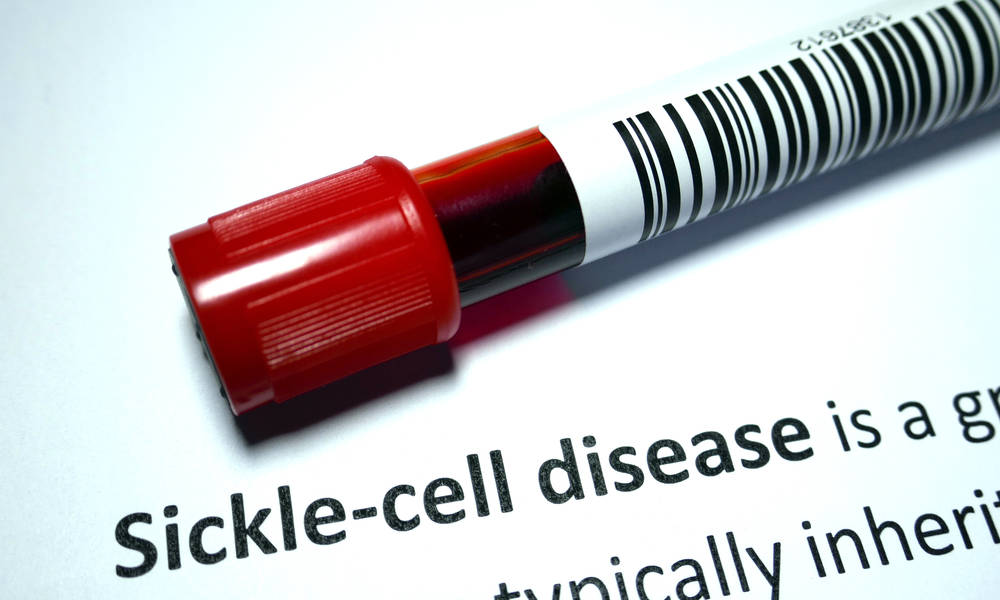
Sickle cell disease is a rare blood disorder that’s complicated to diagnose and treat. It’s also more common among African-Americans, who have historically had less access to healthcare than other groups. To help get information about the disease directly to patients, the Sickle Cell Disease Association of America (SCDAA) has introduced a national registry for them.
The registry, Get Connected, launched last week (opens in a new tab) with a pool of nearly 5,000 patients who have access to updated research, as well tools to spread the word to their communities—and to doctors, who may not be well-informed about sickle cell disease, which affects 100,000 people in the United States, primarily African-Americans.
There’s really a need to make sure that the playing field is level.
That’s according to Dr. Kim Smith-Whitley, director of the Comprehensive Sickle Cell Center at Children’s Hospital of Philadelphia and SCDAA board member. “There’s really a need to make sure that the playing field is level for individuals living with sickle cell disease, who are primarily individuals of color here in the U.S.,” she said. “And many are poorly resourced, coming from some homes that have incomes well below the poverty line.”
In 2015, in her role as SCDAA’s chief medical officer, Smith-Whitley coordinated the creation of a beta version of the registry through a grant from the Health Resources and Services Administration, part of the U.S. Department of Health and Human Services. That beta version logged patients who were already participating in HRSA programs, and the opportunity for patients to connect with one another, and for SCDAA member organizations to bring in more patients, was a huge step, Smith-Whitley said.
“It was amazing,” she said. “In 15 months, community-based organizations were able to find more patients than physicians were able to find in four years with millions of dollars of funding.”
Smith-Whitley says Get Connected has a few unique benefits. One is the opportunity for members to share information privately. Another is access to information about clinical trials that have been vetted by a credentialed organization. And the registry allows patients to store their medical history, which can be useful if a patient is away from their primary care provider and needs treatment for a pain episode.
“A person in excruciating pain may decide to go to the emergency department but doesn’t have a referral from a doctor stating that they have sickle cell disease,” she said. “So the person looks at you and says, ‘How do I know you have sickle cell disease and you’re not just drug seeking?’ That is not an uncommon story. We thought having diagnostic information that they could have accessible via smartphone technology would allow them to validate their sickle cell status.”
The next step is to get word out to patients who haven’t yet been diagnosed. SCDAA launched the site on June 18, the day before World Sickle Cell Day, and Smith-Whitley says the Get Connected tool also benefits community workers, who now have a straightforward outreach tool.
“We want to be able to have community health workers that go out into the community, actually find individuals with sickle cell disease who may not be coming to hospitals,” she said. “With the national launch, we will also be able to then infiltrate more of these community settings that are not healthcare-related to spread the word.”
Editor’s Note, July 5: This story has been updated to clarify the population most likely to be affected by sickle cell disease.
(Hailshadow/iStock/Getty Images Plus)

Comments
Comments are for ASAE members. Learn more about comments on this site.
Log in to your member account or join ASAE!