
Article Membership 3 min read
Four Member Benefit Lessons From Ailing MoviePass
The company behind the popular subscription service MoviePass finds itself struggling to keep the lights on despite its popularity. The takeaway for associations? Your benefits shouldn’t be too good to be true.
Heads up: this content is over 5 years old, so some information may be out of date.
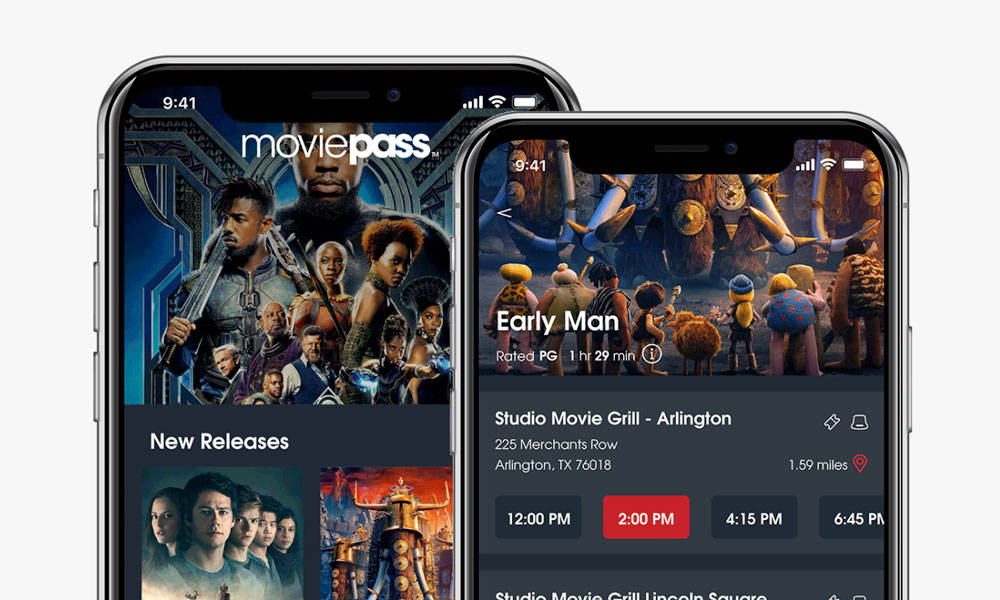
If you’re a movie fan who likes a good bargain, you’ve probably watched with interest the saga of MoviePass, the company that last year announced a too-good-to-be-true deal: Pay $9.95 a month and gain the ability to see a first-run movie in a local theater every single day.
The idea: By selling the data acquired through the transactions, the company would be able to pay movie theaters full price for MoviePass customers’ tickets, even with the deep discount.
MoviePass is a study in how not to change popular benefits.
When first announced, the offering drew skepticism from observers in the film industry and many others, most of whom didn’t see how the model could work. And since then, a lot of evidence has emerged to prove the skeptics right: MoviePass has struggled to maintain a sustainable cash flow and appears on the verge of shutting down (opens in a new tab). Now, the company looks more like a cautionary tale than a success story.
Given the program’s membership model, the MoviePass saga offers numerous lessons for associations. Among them:
1. Don’t build benefits around who’s not going to use them. MoviePass relied on the assumption that only a small number of customers would use the service to its fullest potential. But the benefit turned out to be too appealing, and the program’s costs far outpaced its revenue. There’s room to experiment with an idea like this—Uber started with a similar promise (opens in a new tab)—but the math has to add up in the end.
2. People love a deal, but benefits should create realistic expectations. The benefits of a MoviePass subscription created sky-high consumer expectations, which made it difficult for the company to rein in the service as its popularity grew. If MoviePass shuts down—which seems more likely by the day—a competitor like AMC or Regal will inevitably come up with a version of the model (opens in a new tab) that balances the discount against the costs of running the program.
3. Don’t keep moving the goalposts. In an effort to stay afloat, MoviePass has made significant changes, such as implementing “peak pricing (opens in a new tab)” for popular films, with little advance notice. Last weekend, many subscribers were surprised to find that they couldn’t use the service to get tickets (opens in a new tab)to the new Mission: Impossible movie. In one case, a plan to drastically reduce the number of tickets (opens in a new tab) that subscribers could book each month proved so controversial that the company had to roll it back (opens in a new tab). MoviePass is a study in how not to change popular benefits. Make adjustments in a way that is minimally disruptive: Move slowly if possible, and grandfather in current customers.
4. Your reputation will suffer if you can’t deliver. When MoviePass faced a service disruption (opens in a new tab) last week, it reflected poorly on the brand, leading the company’s CEO, Mitch Lowe, to make a public apology (opens in a new tab). Benefits don’t mean anything if you can’t actually deliver them.
All of which adds up to three words to guide your benefits program: Underpromise and overdeliver.
(via the MoviePass website)

Comments
Comments are for ASAE members. Learn more about comments on this site.
Log in to your member account or join ASAE!